genetics

genetics

genetics

CRISPR used for the first time to treat a rare metabolic disease in a baby

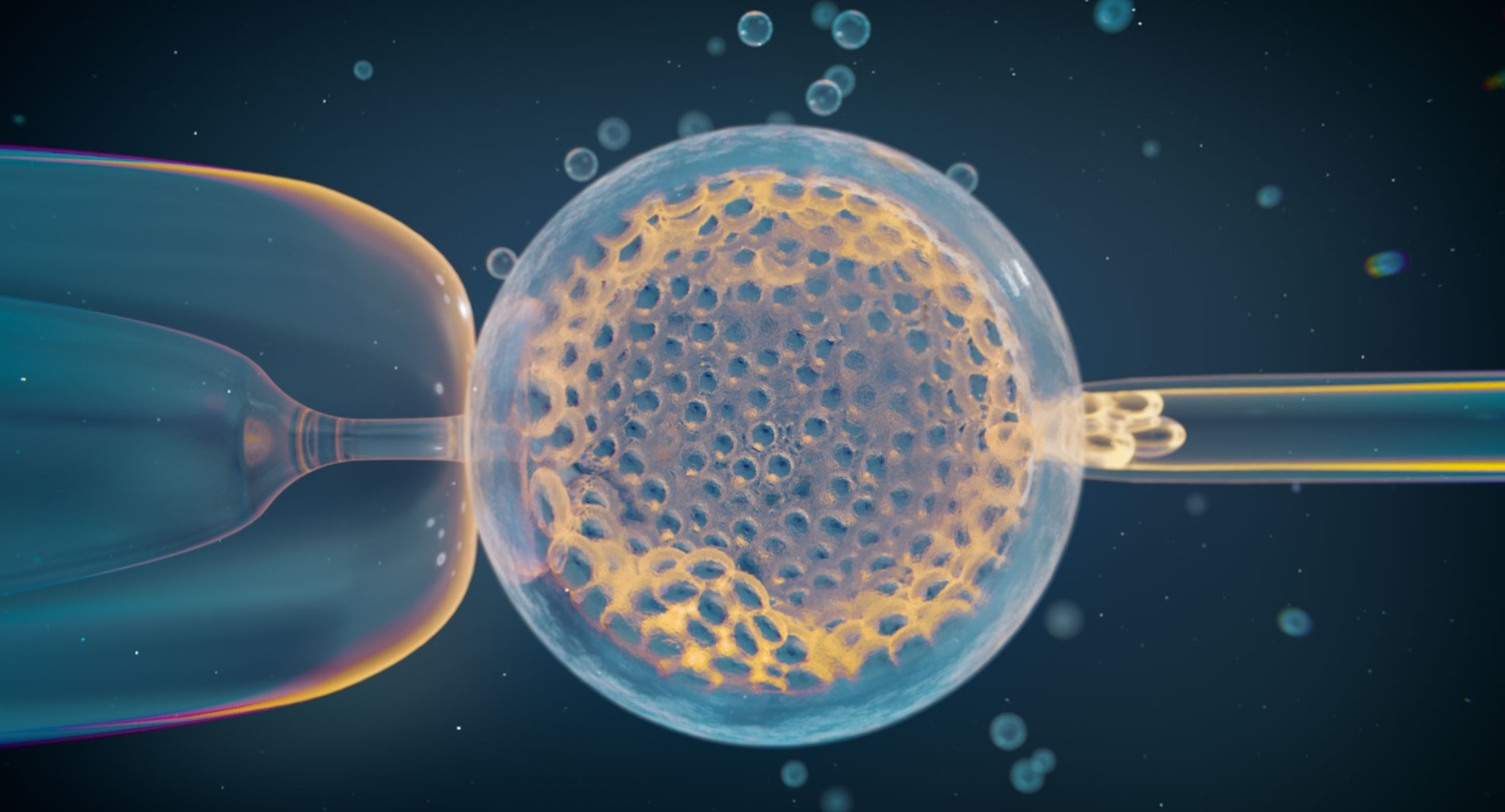
A team from the Children's Hospital of Philadelphia and Penn Medicine (United States) has successfully treated a baby diagnosed with a rare genetic disorder using personalised CRISPR gene editing therapy. The baby, known only by the initials KJ, was born with a rare metabolic disease known as severe carbamoyl phosphate synthetase 1 (CPS1) deficiency. After spending the first months of his life in hospital on a very restrictive diet, KJ received the first dose of his tailored therapy in February 2025, between six and seven months of age. The treatment, which is being used for the first time for this type of disorder, was administered safely, and the baby is now growing well and improving. The case is detailed in a study published by The New England Journal of Medicine (NEJM).

0

Design DNA fragments that control genes in mammalian cells with AI

A team from the Centre for Genomic Regulation (CRG) and Pompeu Fabra University (UPF) in Barcelona has developed an artificial intelligence tool capable of designing regulatory sequences for genes that do not exist in nature. When introduced into cells, these enhancers can increase or decrease gene activity in a specific way depending on the type of cell targeted. According to the authors, ‘the potential applications are enormous. It's like writing software, but for biology.’ The results are published in the journal Cell.

0

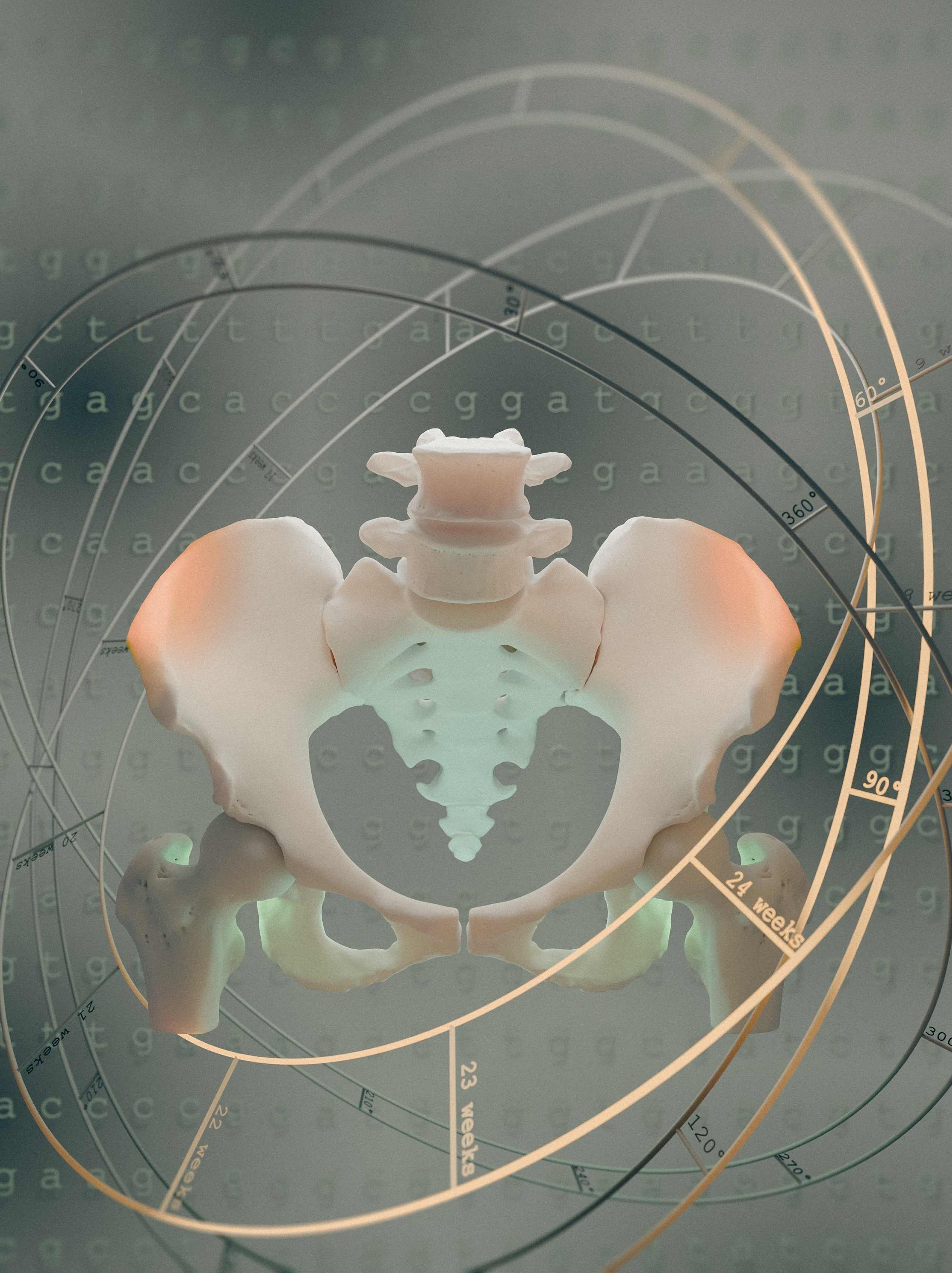
A genetic study of the human pelvis relates its shape to the health of the pelvic floor and the ease of childbirth

In humans, larger birth canals are associated with slower labour and less back pain, but a higher risk of osteoarthritis of the hip, while narrower birth canals are associated with a lower risk of pelvic floor disorders, but a higher risk of obstructed labour, according to one study. The analysis published in Science is based on genetic and clinical data and bone densitometry images from more than 31,000 people in the UK Biobank to identify 180 genetic positions associated with seven ‘highly heritable’ pelvic characteristics.

0

Environment influences health and aging much more than genetics, study finds

An international team has analyzed data from nearly half a million people to analyze the influence of genes or environment on mortality, age-related diseases and aging. Although the relationship may vary according to the type of disease, their conclusions are that the environment -especially socioeconomic conditions, smoking habits and physical exercise- has a much greater influence than genetics in all the aspects studied. Among other data, environment explains 17 % of the variation in mortality risk, while genetics is limited to 2 %. The results are published in the journal Nature Medicine. 

0

Genetic diversity has decreased in more than 600 species in the last three decades

A meta-analysis that brings together data from 628 species of animals, plants and other organisms in terrestrial and marine ecosystems over the last three decades shows that most are losing genetic diversity, especially mammals and birds. ‘The threats affected two thirds of the populations we analysed and less than half are subject to conservation management measures,’ say the authors of the research, published in Nature.

0

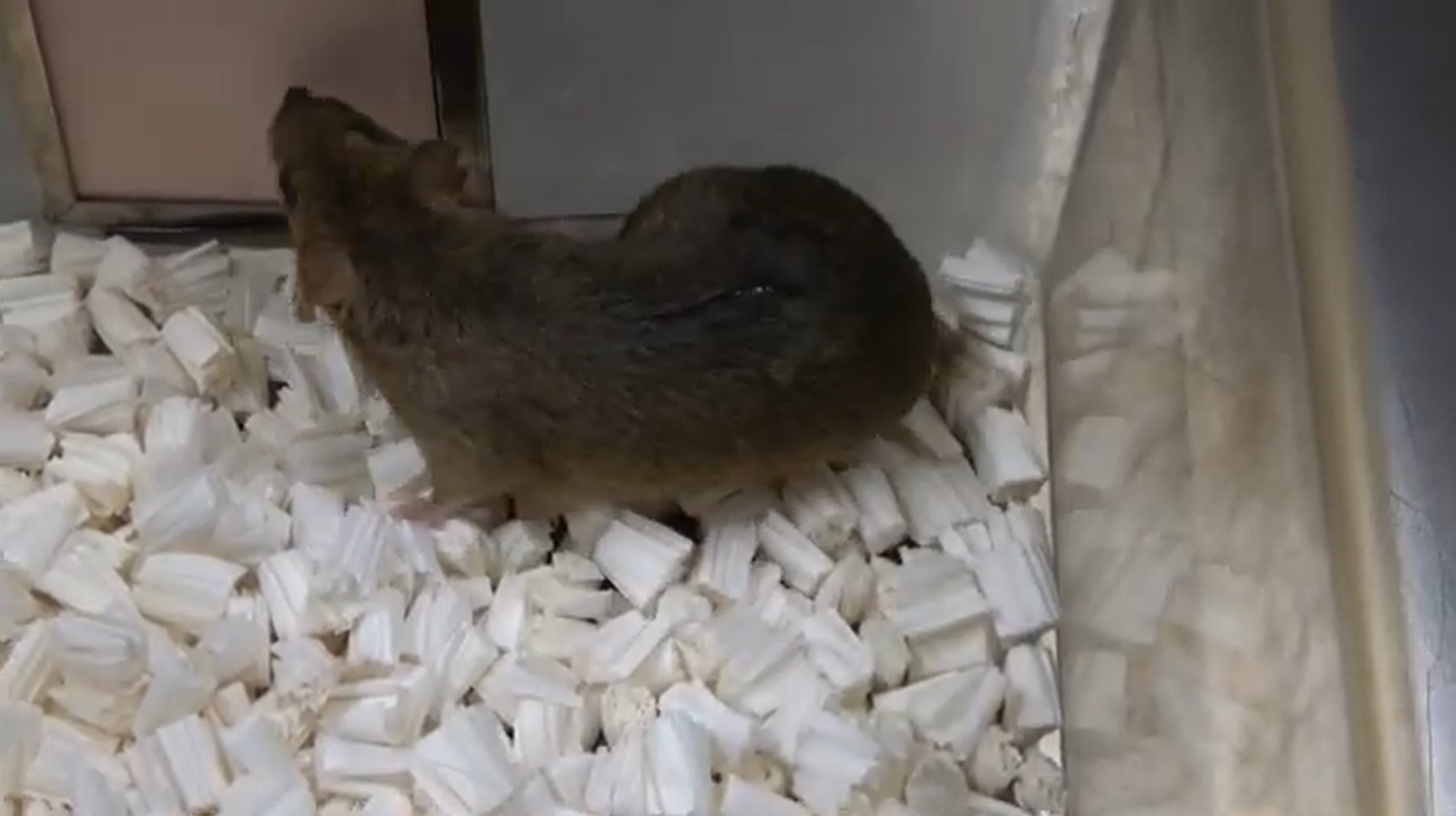
Cells ‘remember’ obesity through epigenetic changes, which could explain the ‘yo-yo effect’

Adipose tissue retains a ‘memory’ of obesity through cellular transcriptional and epigenetic changes that persist after weight loss, which may increase the likelihood of regaining weight, experiments in human and mouse cells show. The findings, published in Nature, could help explain the problematic ‘yo-yo effect’, the rapid weight rebound often seen with dieting. 

0

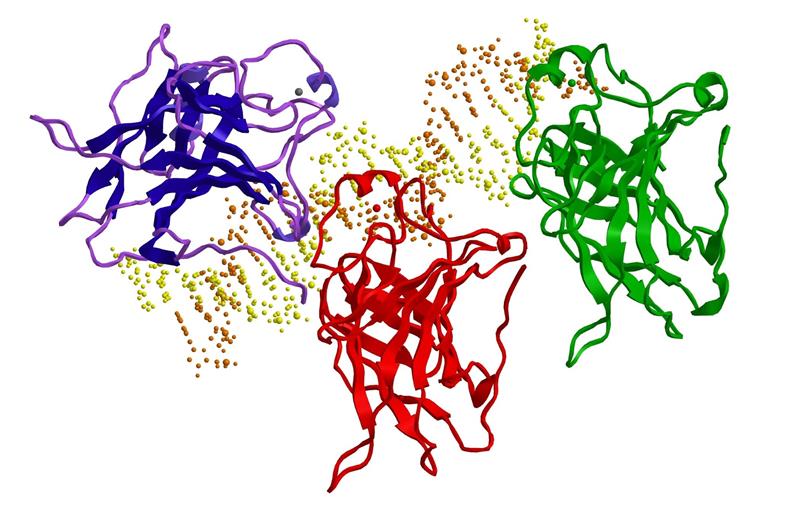
First mapping of the human spliceosome, the machinery that allows multiplying the variety of proteins from the same DNA

A team of researchers led by the Center for Genomic Regulation in Barcelona has mapped the human spliceosome for the first time. This complex and partially unknown cellular machinery is responsible for cutting and splicing the RNA fragments encoded by genes in different ways, making it possible to obtain a wide variety of proteins from the same sequence. Its alteration is related to processes such as cancer, neurodegenerative processes or various rare diseases. According to the researchers, who publish the results in the journal Science, “by knowing exactly what each part does, we can find completely new angles to address a broad spectrum of diseases”.

0