pregnancy

pregnancy

pregnancy

Two-thirds of women experience excessive or insufficient weight gain during pregnancy, according to data from 1.6 million pregnant women

The BMJ has published a meta-analysis about weight gain in pregnant women and the risks it poses to their health and that of their babies. According to the study, 68% of pregnancies involve weight gain that is either above or below the recommended level, which is associated with complications such as premature birth, high birth weight, and admission to intensive care. The review included data from 1.6 million women from various regions of the world and different income levels, recorded between 2009 and 2024.

0

A study claims that exposure to fine particulate matter pollution during pregnancy is associated with an increase in autism diagnoses

A team has analysed estimated data on exposure to pollution during and after pregnancy and its possible link to a diagnosis of autism in more than two million births in Canada between 2002 and 2022. Their findings are that greater exposure to small PM2.5 particles containing sulphate or ammonium is associated with a higher likelihood of receiving a diagnosis of autism in the first five years of life. A slightly increased proportion was also observed with greater exposure to ozone during certain weeks of pregnancy and in the first year of life. The results are published in the journal JAMA Network Open.

0

US health authorities will warn of a link between paracetamol use during pregnancy and the risk of autism in children, according to 'The Washington Post'

On Monday, US federal health authorities will advise pregnant women against taking paracetamol in the early stages of pregnancy, unless they have a fever, as reported yesterday by The Washington Post. The announcement will be accompanied by a recommendation for a drug called leucovorin as a treatment for autism, the article adds. Donald Trump said yesterday: ‘Tomorrow we are going to have one of the most important announcements... from a medical standpoint, I think, in the history of our country. I think we have found an answer to autism.’

0

Cannabis use linked to changes in female fertility

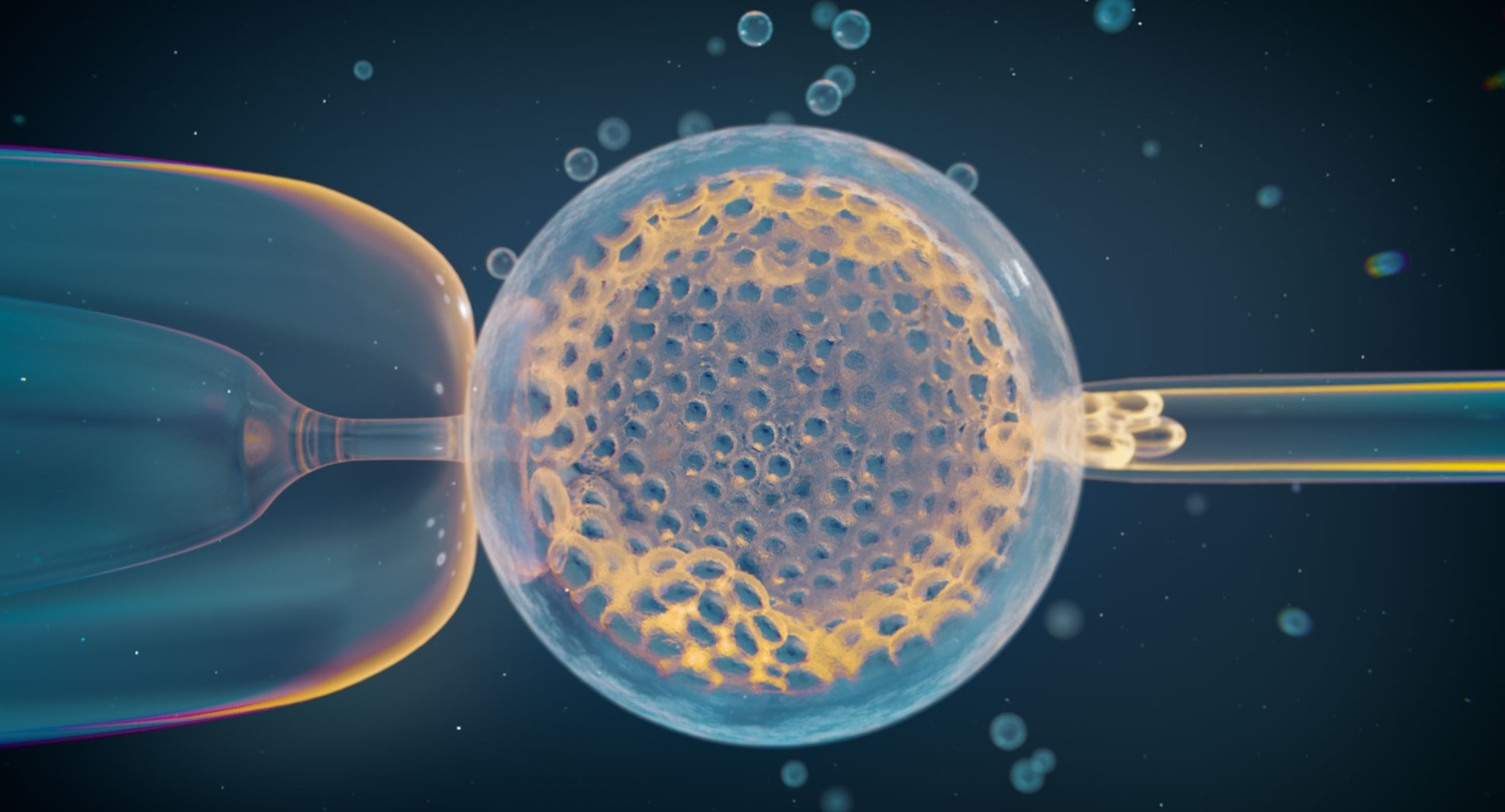
A Canadian team analysed samples from women undergoing in vitro fertilisation and found that higher concentrations of THC metabolites—the main psychoactive substance in cannabis—were associated with a higher rate of oocyte maturation and a lower number of embryos with the correct number of chromosomes. The latter could be replicated at similar concentrations under laboratory conditions. The authors, who published their findings in the journal Nature Communications, acknowledge that the study does not have sufficient statistical power to draw conclusions, but it does warn of possible risks to women's fertility.

0

A Canadian study finds more miscarriages in women who had scans before pregnancy

The miscarriage rate is higher in women who have had a computed tomography scan before pregnancy than in those who have not been exposed before conception, according to a study published in the Annals of Internal Medicine. The research includes data on more than five million pregnant women in Canada between 1992 and 2023. According to the study, the miscarriage rate increases with the number of scans: from 117 miscarriages per 1,000 pregnancies in women who have had a single test, to 142 in those who have had three or more – compared with 101 miscarriages per 1,000 pregnancies in women who have not had a previous scan.

0

Using triptans for migraine during pregnancy does not increase risk of neurodevelopmental disorders in offspring

Prenatal exposure to triptans—alone or in combination with other migraine medications—does not increase the risk of developmental disorders in children up to age 14, according to research published in Neurology. The study is based on data from more than 26,000 pregnancies in a national registry in Norway and includes autism spectrum disorders, language disorders, and attention deficit hyperactivity disorder, among other diagnoses.

0

A genetic study of the human pelvis relates its shape to the health of the pelvic floor and the ease of childbirth

In humans, larger birth canals are associated with slower labour and less back pain, but a higher risk of osteoarthritis of the hip, while narrower birth canals are associated with a lower risk of pelvic floor disorders, but a higher risk of obstructed labour, according to one study. The analysis published in Science is based on genetic and clinical data and bone densitometry images from more than 31,000 people in the UK Biobank to identify 180 genetic positions associated with seven ‘highly heritable’ pelvic characteristics.

0

Maternal diabetes is associated with an increased risk of neurodevelopmental disorders in children, according to a review

A review of 202 studies involving more than 56 million mother-child pairs has observed an association between maternal diabetes — including pre-pregnancy and gestational diabetes — and an increased risk of neurodevelopmental disorders in children, such as autism spectrum disorders, attention deficit hyperactivity disorder or intellectual disability. The authors, who publish the results in the journal The Lancet Diabetes & Endocrinology, call for a cautious interpretation of the association, as there is currently little evidence of a causal relationship.

0

Prenatal cell-free DNA testing can incidentally detect maternal cancer

Cell-free DNA (cfDNA) sequencing analysis for fetal aneuploidies - chromosomal abnormalities - can incidentally detect maternal cancer, according to a study published in NEJM. Researchers screened 107 pregnant and postpartum mothers with no symptoms of cancer, but who had received unusual clinical cfDNA sequencing results, for cancer. In this sample, cancer was present in 48% of the women.

0

Study looks at men's problems with fatherhood due to lack of information and emotional support

Men often struggle with the transition to fatherhood due to a lack of information and emotional support targeted to their needs, suggests a review of the available qualitative evidence, published in the open access journal BMJ Open. The researchers say there needs to be a greater focus on clinical practice, antenatal services and research into men's unique experiences during the perinatal period, which encompasses pregnancy and the first 12 months after birth.


0