pain

pain

pain

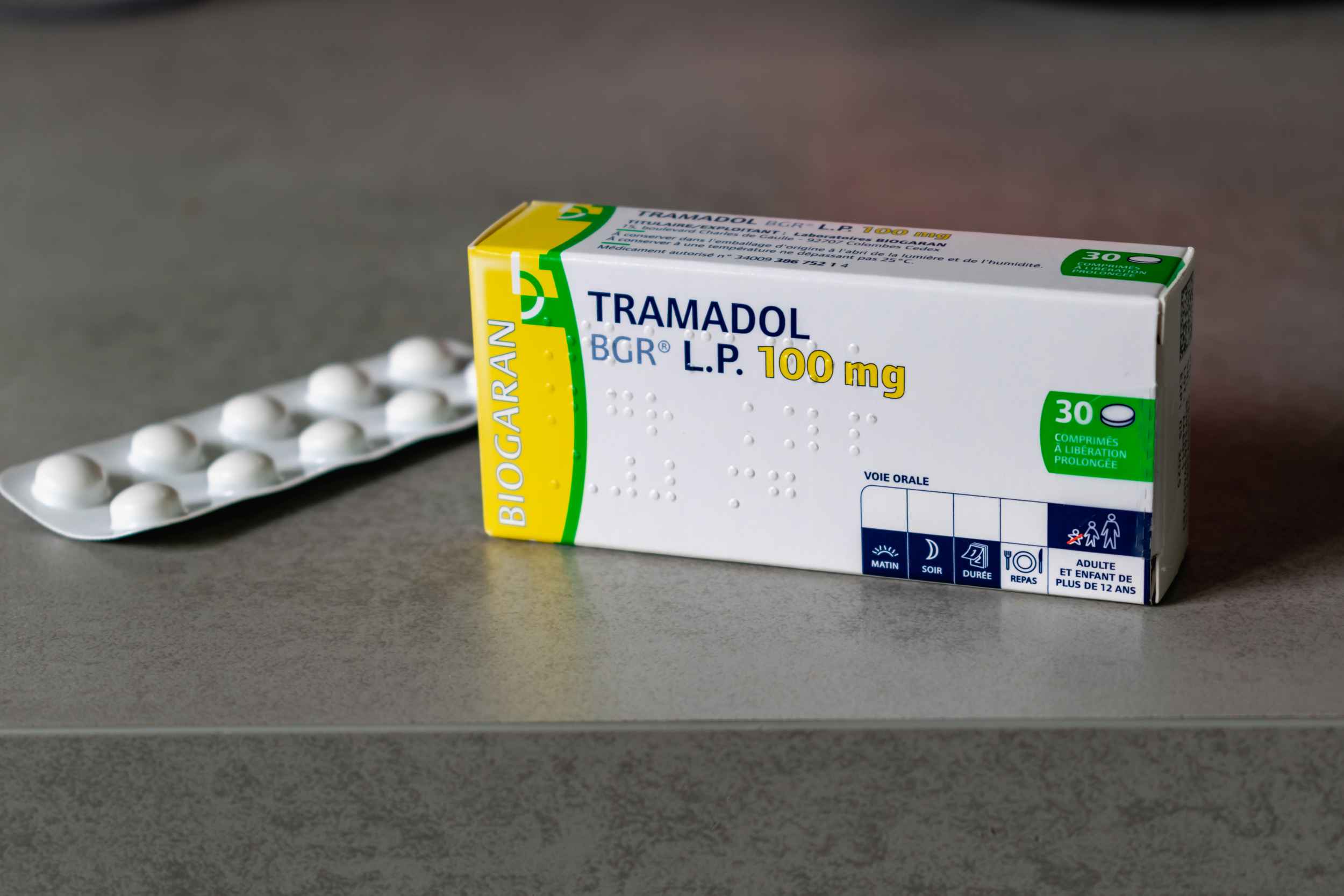
A review questions the efficacy of the painkiller tramadol for chronic pain

Tramadol is a painkiller prescribed for chronic pain and is considered safer than other opioids. A systematic review with meta-analysis that included 19 clinical trials with more than 6,500 people showed that, although it relieved pain, the effect was small and below what would be considered clinically effective. In addition, the analysis indicated that the drug is likely to increase serious adverse events, particularly cardiac events. Although an increased risk of some types of cancer was also detected, the authors question this effect due to the short follow-up period. ‘Given the limited analgesic benefits and increased risk of harm, the use of tramadol for chronic pain should be reconsidered, with preference given to safer alternatives and additional high-quality trials to clarify its risk-benefit profile,’ the researchers note in the study, published in BMJ Evidence Based Medicine.


0

Using triptans for migraine during pregnancy does not increase risk of neurodevelopmental disorders in offspring

Prenatal exposure to triptans—alone or in combination with other migraine medications—does not increase the risk of developmental disorders in children up to age 14, according to research published in Neurology. The study is based on data from more than 26,000 pregnancies in a national registry in Norway and includes autism spectrum disorders, language disorders, and attention deficit hyperactivity disorder, among other diagnoses.

0

A drug reduces the symptoms that precede migraine in a phase III trial

A migraine treatment drug, ubrogepant, also reduces common non-headache symptoms that occur in the hours before a migraine, according to the results of a large phase III clinical trial published in Nature Medicine. The results suggest that this could be the first acute treatment for symptoms that occur before migraine and have a significant impact on daily life, such as dizziness, sensitivity to light and noise, and neck pain.

0

Reaction: Correlation between migraine and antacid use under review

People taking heartburn medications suffer more migraines and severe headaches, says a study published in Neurology: Clinical Practice. According to the authors, these observations are consistent with other studies that link migraine and headaches to the use of proton pump inhibitors (such as omeprazole), and the new study adds a correlation with the use of other types of antacids. The analysis is based on data from more than 11,800 adults between 1999 and 2004 in the United States. 

0

What do we know about the use of medical cannabis? Questions and answers about its regulation in Spain

This week, Spain’s Ministry of Health launched a process to develop a Royal Decree on the medical use of cannabis, assuring that it will be "a rigorous measure based on the best scientific evidence available.” The goverment is conducting a public consultation until 4 March to gather the opinions of citizens, civil society organisations, professional associations and scientific societies. In this explainer, we attempt to answer the main questions that arise regarding the medical use of cannabis. 

0

Reaction: meta-analysis finds lack of scientific evidence on efficacy and safety of painkillers for low back pain

A meta-analysis analysing 98 published clinical trials highlights the lack of scientific evidence on the efficacy and safety of commonly used analgesic drugs for acute low back pain (such as anti-inflammatory drugs, paracetamol and opioids, among others). The study, published in The BMJ, includes data from more than 15,000 people. It concludes that there is "considerable uncertainty" about the efficacy of these drugs in reducing the severity of non-specific acute low back pain and calls on doctors and patients to use them with caution.

0