neurology

neurology

neurology

A study identifies five vital stages in the structure of brain connections

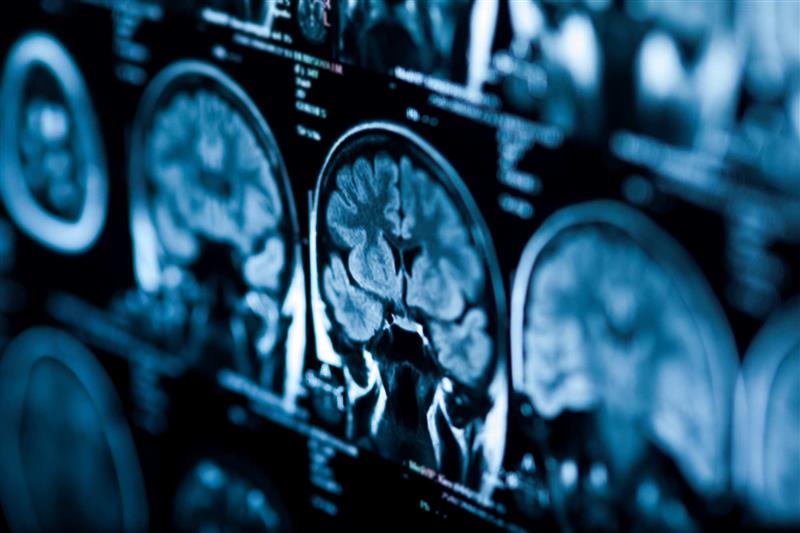
A research team identified five major phases of brain topology throughout human life—changes in the structure of neural connections—as detailed in an article published in Nature Communications. Using brain images from 3,802 people between the ages of 0 and 90, it defines four turning points around the ages of 9, 32, 66, and 83.

0

Pathological gum inflammation is associated with minor brain damage in elderly people

Periodontal disease—chronic inflammation of the gums—is correlated with minor brain damage in older people, according to a study published in Neurology Open Access. The study compared magnetic resonance images of the brains of 800 adults with periodontal disease with those of 343 people without the condition.

0

Researchers investigate how to reverse Alzheimer's disease in mice using lithium compounds

Researchers at Harvard Medical School have published new findings in Nature on the role of reduced lithium levels in Alzheimer's disease, based on experiments with mice and analysis of brain tissue and blood samples from humans. The team claims to have achieved improvements in memory in mouse models with lithium orotate. They caution that they have not proven that lithium is safe or effective in protecting against neurodegeneration in patients, and that their findings must be confirmed in humans through clinical trials.

0

"Promising" new strategy for ALS using stem cells created from patients

Researchers in the United States have used stem cells created from patients with a very rare type of ALS, more prevalent in Brazil, to target a key gene in the stress response and reverse the damage suffered by motor neurons in the laboratory. They believe it is "a promising proof-of-concept for future therapeutic strategies" and "could help lay the foundation for genetically informed clinical trials".

0

More than 200 types of proteins associated with cognitive decline identified in rat brains

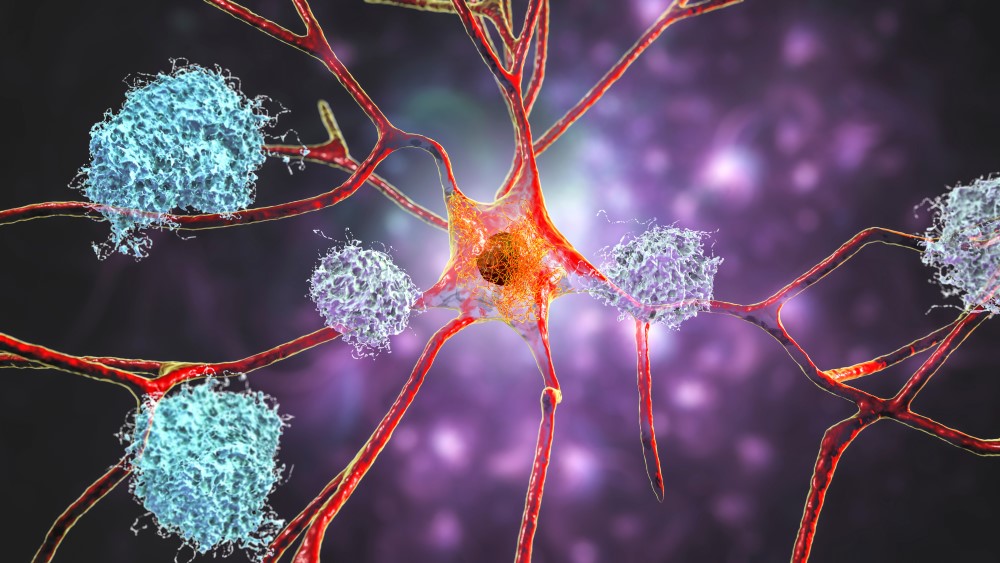
Alzheimer's disease, the most common form of dementia, is linked to the presence of tau protein deposits and amyloid plaques in the brain. Now, a team at Johns Hopkins University (USA) has identified more than 200 misfolded proteins in rat brains that are associated with age-related cognitive decline. Although the study does not allow us to know whether they play a causal role, the authors claim that amyloid plaques ‘are just the tip of the iceberg.’ The results are published in the journal Science Advances.

0

Using triptans for migraine during pregnancy does not increase risk of neurodevelopmental disorders in offspring

Prenatal exposure to triptans—alone or in combination with other migraine medications—does not increase the risk of developmental disorders in children up to age 14, according to research published in Neurology. The study is based on data from more than 26,000 pregnancies in a national registry in Norway and includes autism spectrum disorders, language disorders, and attention deficit hyperactivity disorder, among other diagnoses.

0

A drug reduces the symptoms that precede migraine in a phase III trial

A migraine treatment drug, ubrogepant, also reduces common non-headache symptoms that occur in the hours before a migraine, according to the results of a large phase III clinical trial published in Nature Medicine. The results suggest that this could be the first acute treatment for symptoms that occur before migraine and have a significant impact on daily life, such as dizziness, sensitivity to light and noise, and neck pain.

0

Two clinical trials show safety of stem cell therapies against Parkinson's disease

Two independent clinical trials demonstrate the safety of stem cell therapies for Parkinson's disease. The papers, published in Nature, investigate the use of cells derived from human induced pluripotent stem cells and human embryonic stem cells, respectively. Parkinson's disease is characterised by the progressive loss of dopamine-producing neurons. Cell therapy, which replenishes dopamine-producing neurons in the brain, could provide a treatment with fewer adverse effects than current treatments. However, further research is needed to test the efficacy and benefits of these new therapies.

0

Maternal diabetes is associated with an increased risk of neurodevelopmental disorders in children, according to a review

A review of 202 studies involving more than 56 million mother-child pairs has observed an association between maternal diabetes — including pre-pregnancy and gestational diabetes — and an increased risk of neurodevelopmental disorders in children, such as autism spectrum disorders, attention deficit hyperactivity disorder or intellectual disability. The authors, who publish the results in the journal The Lancet Diabetes & Endocrinology, call for a cautious interpretation of the association, as there is currently little evidence of a causal relationship.

0