genetics

genetics

genetics

A blood-based cell therapy slows muscle deterioration in children and young people with Duchenne muscular dystrophy, according to a phase III trial

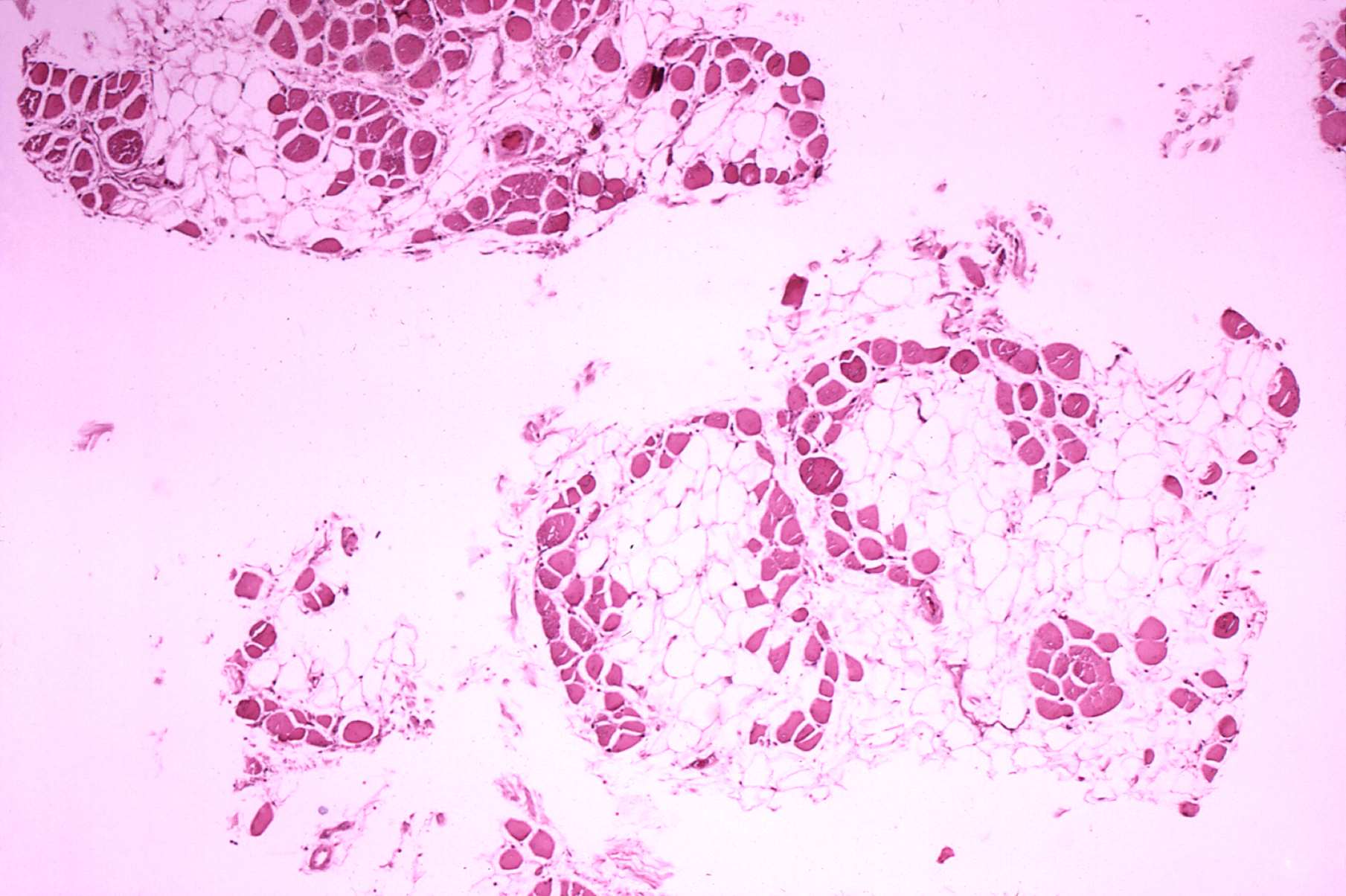
Duchenne muscular dystrophy (DMD) is a serious genetic condition that causes progressive muscle weakness and atrophy, including of the heart. There is currently no cure, and it mainly affects boys and young men. A cell therapy called Deramiocel could slow down muscle weakness in children and young people with advanced-stage DMD, according to a phase III clinical trial published in The Lancet, the first of its kind. The study involved 106 children and young people aged between 10 and 22 with advanced DMD. According to the results, after one year, participants who received the drug lost mobility in their arms 54 per cent more slowly than those in the placebo group, although this did not result in a clear difference in the heart’s ability to pump blood.

0

An investigation alleges that the death of a girl in China was covered up after she was given an experimental gene therapy

In 2025, a six-year-old Chinese girl named Mei (not her real name) became the first person in the world to undergo gene-editing therapy targeting the brain. She had a developmental delay associated with a rare genetic syndrome, Snijders-Blok-Campeau syndrome. According to Science, her parents had raised $860,000 to partially fund the treatment at Xinhua Hospital in Shanghai (China), led by Zilong Qiu, one of the neuroscientists competing to apply base editors — a version of CRISPR — in children with rare diseases. Now, Science and Retraction Watch have exclusively revealed that Mei died from a severe immune reaction seven days after receiving the treatment, a story that had been kept hidden. The entry on clinicaltrials.gov has not been updated since 2025; and when Qiu and his team published animal studies related to the trial in the journal Nature in early 2026, according to the journalistic investigation, they omitted any reference to Mei and her family.

0

AI-designed proteins could expand the CRISPR genome-editing toolkit beyond those produced by evolution

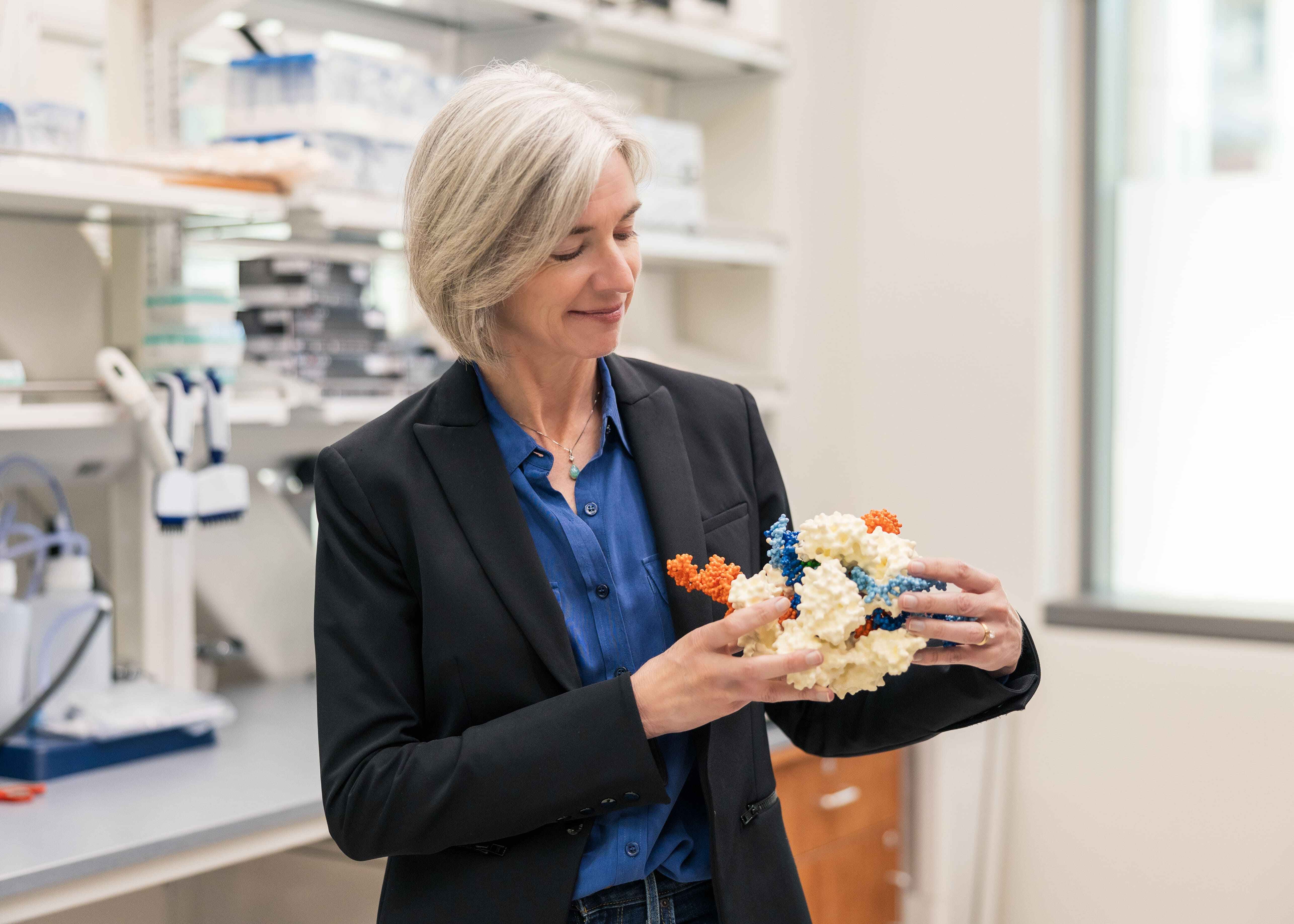
The range of CRISPR tools for genome editing can extend beyond nature-inspired designs thanks to proteins designed using artificial intelligence. A new study by Nobel laureate Jennifer Doudna’s team, published in Science, describes the design of synthetic RNA-guided nucleases, with sequences substantially different from those found in nature, which match or exceed the activity of their natural counterparts whilst offering novel properties.

0

A team including Spanish researchers has produced the most comprehensive atlas of the regulators that control human genes

Un equipo internacional en el que participa Roderic Guigó, del Centro de Regulación Genómica de Barcelona, ha elaborado el mapa más detallado hasta la fecha de los enhancers, o potenciadores, regiones del ADN que controlan los genes humanos y que funcionan como reguladores de intensidad. En el trabajo, desarrollado por el consorcio ENCODE, se han trazado más de 92 millones de posibles interacciones entre estos reguladores y los genes sobre los que actúan en distintas células y tejidos. Esta información puede ser importante para comprender las enfermedades, ya que buena parte de las variantes genéticas que se han asociado a trastornos comunes no se encuentran dentro de los propios genes, sino en regiones reguladoras. El estudio se publica en Nature.

0

A new version of CRISPR, base editing, reveals a key factor in human embryo development

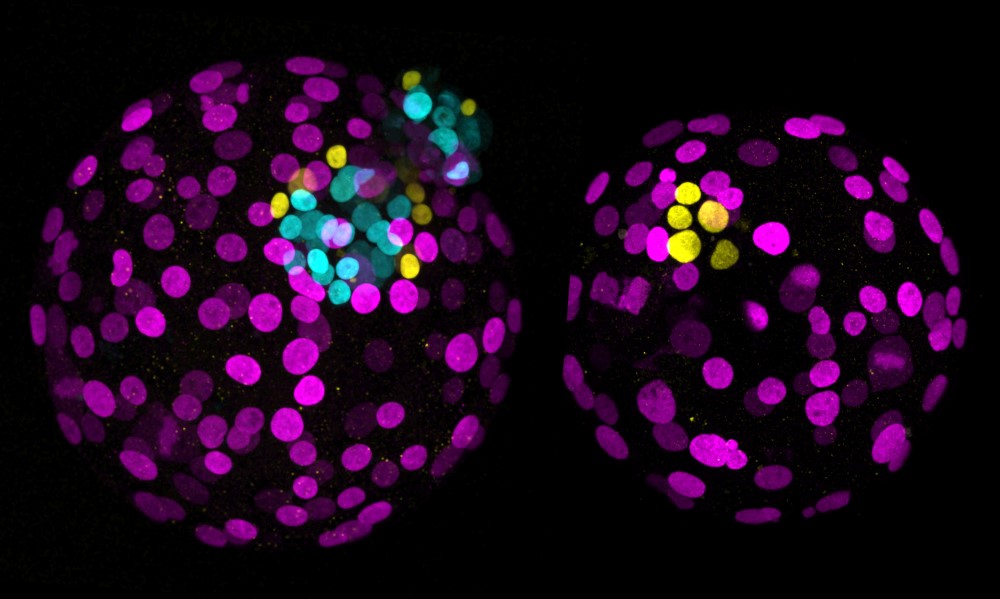
An article published in Nature describes how the first use of precision editing has shed light on a gene essential for embryonic development. The authors caution that the clinical application of genome editing in human embryos requires rigorous ethical analysis and oversight, as well as broad public debate and support.

0

The last Neanderthals in northwestern Europe had greater genetic diversity than previously thought

An article published in Nature shows that the last Neanderthals in northwestern Europe exhibited greater genetic variability than previously thought, which, according to the authors, could call into question the idea that this was one of the causes of their extinction. The study included genetic data from 27 Neanderthals dating back about 52,500 years, found at ten sites in France and Belgium. The genome of a 45,000-year-old Neanderthal found in Belgium was also sequenced. According to the results, these Neanderthals lived in large, well-connected groups, as they showed no signs of inbreeding. Although they temporarily coexisted with early modern humans in that region, the study found no evidence of interbreeding with them.

0

Social changes have led to a stronger link between genetics and obesity in recent decades, according to a study

A team from the UK has analyzed body mass index (BMI) and genetic variants associated with obesity in four generations of Britons born in 1946, 1958, 1970, and 2001—that is, before and after the rise in obesity rates. The results indicate that people with a genetic predisposition to a high BMI are likely more susceptible than others to changes in their environment that promote obesity, such as those that have occurred in recent decades related to ultra-processed food and sedentary lifestyles. In other words, although genetics has not changed, the obesogenic environment has strengthened its association with obesity. The work is published in Plos Genetics.  

0

Many of the mouse models used in laboratories show inconsistencies between their names and their genetic makeup, according to an analysis

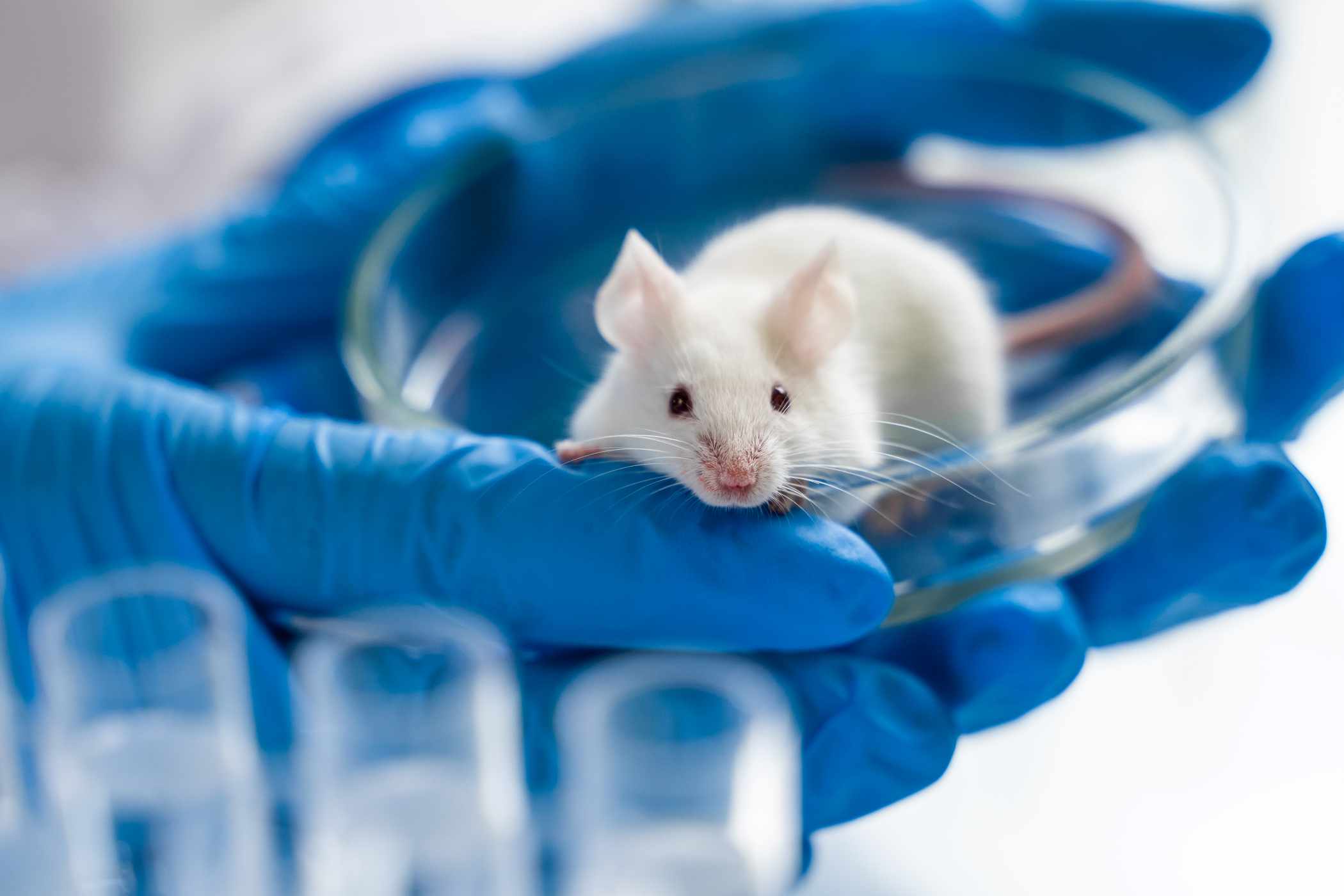
A team from the United States analyzed 611 samples from 341 model mouse strains stored at the Mutant Mouse Resource and Research Centers (MMRRC), a research resource network supported by the National Institutes of Health (NIH). By comparing the identity of each strain with its actual genetic profile, they found that approximately half of the samples showed discrepancies. Although the expected engineered mutation was generally present and many inconsistencies were relatively minor, some had the potential to compromise the validity and reproducibility of the experiments by introducing hidden genetic variables that could alter biological outcomes. The findings are published in Science.


0

Differences in gene expression in the brains of men and women may influence the risks of some diseases

A US team analyzed the genetic activity of individual brain cells from 15 men and 15 women and found 133 genes that showed consistent differences. Although biological sex explained only a small part of the differences they found when comparing all the brains, variants in many of these genes have been associated with neuropsychiatric and neurodegenerative disorders—such as ADHD, schizophrenia, depression, and Alzheimer's—suggesting that sex differences could play a role in the distinct risk men and women have of developing certain diseases. The authors, however, acknowledge that the sex-related differences in their study could stem from differences in socialization and experience. The results are published in Science.  

0

Two genetic variants linked to the effects of GLP-1 drugs for obesity

GLP-1 medicines for the treatment of obesity show considerable variability between individuals. Using data from 23andMe, scientists at this genetic testing company conducted genome-wide association studies in nearly 28,000 people treated with these drugs, analysing self-reported weight loss and adverse effects. Their findings, published in Nature, identified variations in two genes involved in gut hormone pathways that regulate appetite and digestion, although the authors caution that the effects of genetics appear to be modest.

0