molecular biology

molecular biology

molecular biology

The ‘dark transcriptome’ has been used to reduce inflammation in mice and human cells

The so-called 'dark transcriptome' consists of non-coding RNA, i.e. RNA that does not provide instructions for building proteins. A study published in the journal Science Signaling used long non-coding RNAs (lncRNAs) and modified them to attenuate acute inflammation in mice and human cells. The authors are confident that this could open up a new field of therapeutic development.


0

A protein in the blood of older women is associated with an increased risk of cognitive decline and dementia

A new study conducted over 25 years with data from 2,766 older women, who were in good cognitive health at the start, shows that high blood levels of the p-tau217 protein were strongly associated with future mild cognitive impairment and dementia. In its press release, the University of California (United States), where the authors work, stated that ‘a new blood biomarker can predict a woman's risk of developing dementia up to 25 years before symptoms appear.’ The study is published in the journal JAMA Network Open.

0

Evidence found that ALS may have an autoimmune component

Amyotrophic lateral sclerosis (ALS) is a neurodegenerative disease characterised by progressive loss of motor neurons. An international team has discovered evidence that ALS may have an autoimmune component, meaning that the immune system mistakenly attacks healthy cells, a hypothesis that had been considered by the scientific community. The study shows that inflammatory immune cells—called CD4+ T cells—attack certain proteins that are part of the nervous system in people with ALS. ‘These findings highlight the potential of therapeutic strategies aimed at improving regulatory T cells,’ the authors note in the research, published in Nature.


0

Early signs of Parkinson's disease detected for the first time in post mortem brain tissue

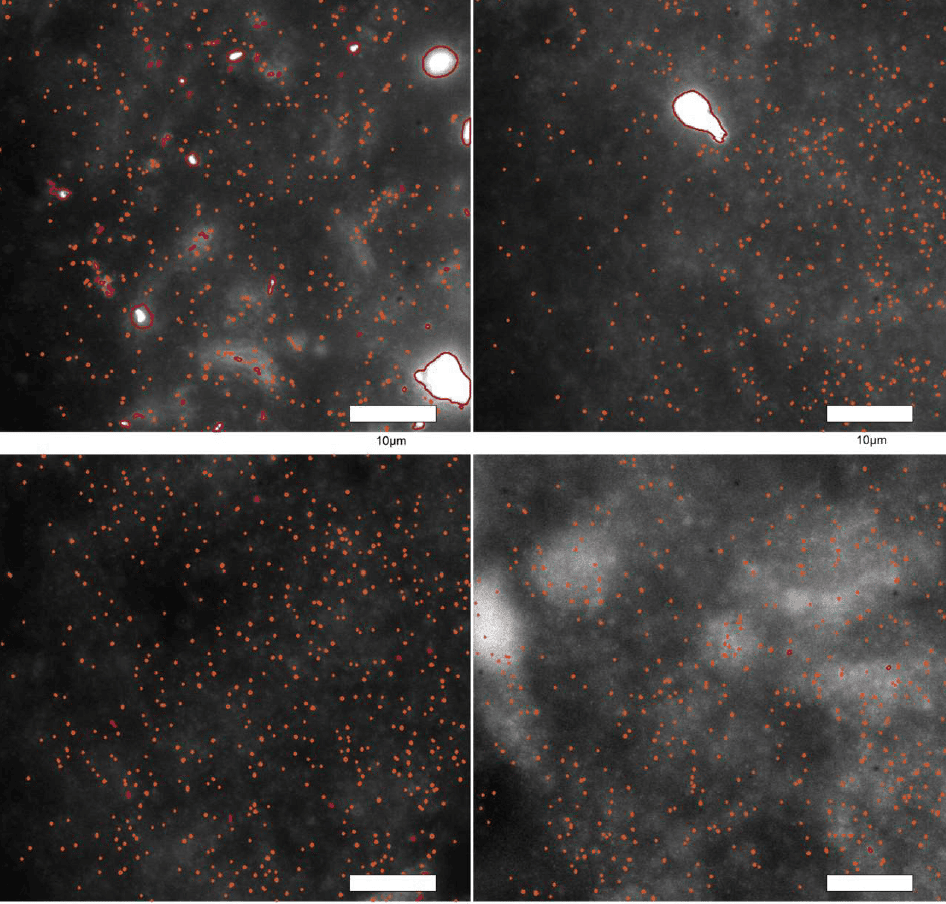
A team has managed to visualise and quantify the protein aggregates believed to trigger Parkinson's disease. This is the first time they have been directly visualised. These small aggregates – alpha-synuclein oligomers – were observed in post mortem brain tissue from people with the disease using a new microscopy technique, as explained by the authors in Nature Biomedical Engineering.

0

Drug identified as “near-universal” treatment for rare disease

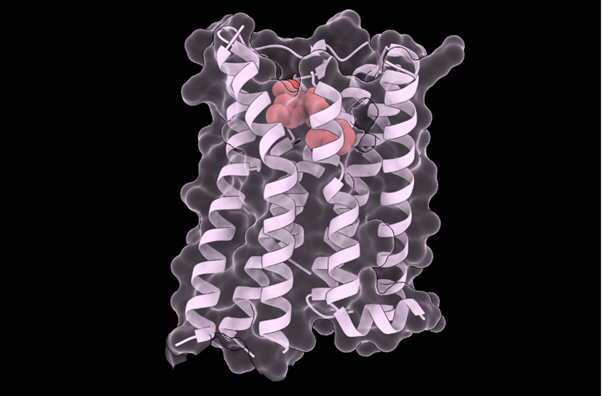
Most rare diseases are caused by mutations in DNA, but the same gene can mutate in different ways, which complicates treatment. Now, a team from the CRG in Barcelona has shown that an already approved drug is capable of stabilising almost all mutated versions of a human protein—specifically, the vasopressin V2 receptor, which is linked to a rare disease called nephrogenic diabetes insipidus. According to the researchers, who published their findings in Nature Structural & Molecular Biology, the study is the first proof of concept demonstrating that a drug can act as a ‘near-universal’ treatment, which could accelerate the development of therapies.


0

‘Science’ retracts controversial article on bacteria that used arsenic to grow, published in 2010

The research article A bacterium that can grow by using arsenic instead of phosphorus was one of the big science stories because it discussed the possibility of arsenic-based life. However, it has been the subject of criticism until now. After nearly 15 years of debate and failed attempts by other groups to replicate the findings, Science has now decided to retract the article, despite finding no evidence of fraud or misconduct on the part of the authors, who disagree with the decision.

0

New neurons detected forming in adult human brains

A team from Sweden has analysed post mortem brain samples from people aged between 0 and 78 using various techniques and found that, although it varies between individuals, new neurons continue to form in the hippocampus with no apparent age limit. Although previous studies had reached similar conclusions, controversy remains about these results. According to the authors, the new work ‘provides an important piece of the puzzle in understanding how the human brain works and changes throughout life.’ The results are published in the journal Science.

0

Design DNA fragments that control genes in mammalian cells with AI

A team from the Centre for Genomic Regulation (CRG) and Pompeu Fabra University (UPF) in Barcelona has developed an artificial intelligence tool capable of designing regulatory sequences for genes that do not exist in nature. When introduced into cells, these enhancers can increase or decrease gene activity in a specific way depending on the type of cell targeted. According to the authors, ‘the potential applications are enormous. It's like writing software, but for biology.’ The results are published in the journal Cell.

0

Structure of a protein linked to Parkinson's disease described

Discovered years ago, PINK1 is a protein directly linked to Parkinson's disease, but it was not known what it looks like, how it binds to the surface of damaged mitochondria or how it is activated. A study published this week in Science has for the first time determined the structure of this protein. The authors suggest that this new information could help in finding new treatments.


0

Spanish researchers describe in mice a new mechanism of brown fat activation against obesity

A study led by CNIO and CNIC researchers has identified a new mechanism in mice by which brown fat can be activated and consume energy to be released as heat. The process depends on a protein called MCJ which, according to the researchers, is “a promising target for treating obesity”. The results are published in the journal Nature Communications. 

0