molecular biology

molecular biology

molecular biology

‘Science’ retracts controversial article on bacteria that used arsenic to grow, published in 2010
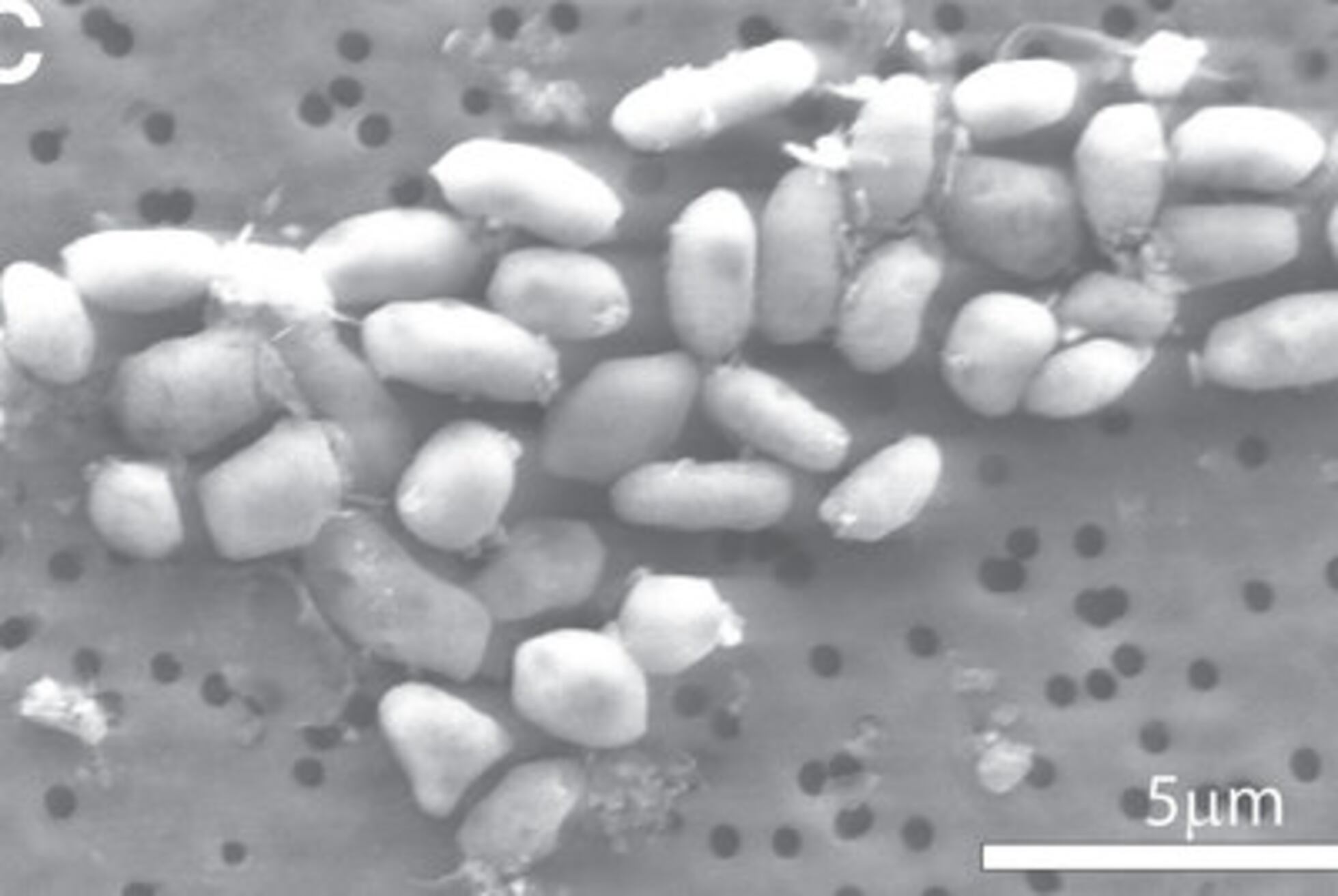
The research article A bacterium that can grow by using arsenic instead of phosphorus was one of the big science stories because it discussed the possibility of arsenic-based life. However, it has been the subject of criticism until now. After nearly 15 years of debate and failed attempts by other groups to replicate the findings, Science has now decided to retract the article, despite finding no evidence of fraud or misconduct on the part of the authors, who disagree with the decision.

0
New neurons detected forming in adult human brains

A team from Sweden has analysed post mortem brain samples from people aged between 0 and 78 using various techniques and found that, although it varies between individuals, new neurons continue to form in the hippocampus with no apparent age limit. Although previous studies had reached similar conclusions, controversy remains about these results. According to the authors, the new work ‘provides an important piece of the puzzle in understanding how the human brain works and changes throughout life.’ The results are published in the journal Science.

0

Design DNA fragments that control genes in mammalian cells with AI

A team from the Centre for Genomic Regulation (CRG) and Pompeu Fabra University (UPF) in Barcelona has developed an artificial intelligence tool capable of designing regulatory sequences for genes that do not exist in nature. When introduced into cells, these enhancers can increase or decrease gene activity in a specific way depending on the type of cell targeted. According to the authors, ‘the potential applications are enormous. It's like writing software, but for biology.’ The results are published in the journal Cell.

0

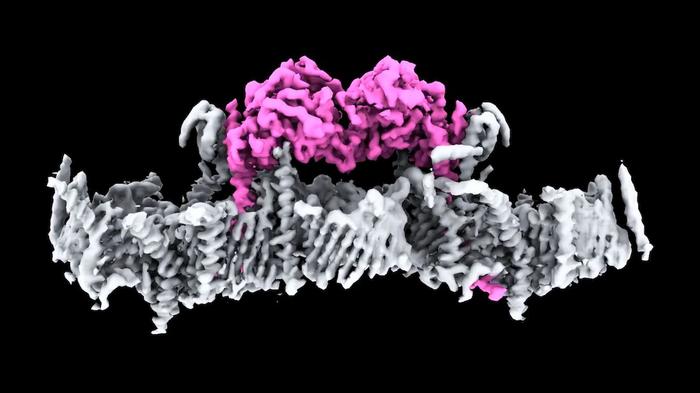
Structure of a protein linked to Parkinson's disease described

Discovered years ago, PINK1 is a protein directly linked to Parkinson's disease, but it was not known what it looks like, how it binds to the surface of damaged mitochondria or how it is activated. A study published this week in Science has for the first time determined the structure of this protein. The authors suggest that this new information could help in finding new treatments.


0

Spanish researchers describe in mice a new mechanism of brown fat activation against obesity

A study led by CNIO and CNIC researchers has identified a new mechanism in mice by which brown fat can be activated and consume energy to be released as heat. The process depends on a protein called MCJ which, according to the researchers, is “a promising target for treating obesity”. The results are published in the journal Nature Communications. 

0

A study in Nature led by Spanish researchers achieves a breakthrough in explaining autism

Most cases of autism have no known cause. Now, a study led at IRB Barcelona has discovered a mechanism that could explain a good part of these situations. The loss of a few amino acids in a crucial protein would affect the activity of hundreds of genes and the development of neurons. To explain the study, which is published in the journal Nature and which could open the door to future treatments, the Science Media Centre Spain organized an informative session with Raúl Méndez and Xavier Salvatella, the two scientists who have led the research. 

0

Nature publishes results of the Human Cell Atlas

The Human Cell Atlas, an international research consortium, publishes biological data from different cell types in the human body in a series of articles in Nature and other journals in its family. One of the articles integrates single-cell RNA sequencing datasets from the gastrointestinal tract of healthy people and others with different diseases. It describes inflammation-induced changes in stem cells that alter mucosal tissue architecture and promote increased inflammation, a concept that can be applied to other tissues and diseases.

0

Nobel Prize in Medicine or Physiology awarded to Ambros and Ruvkun for the discovery of microRNAs and their role in gene regulation

The Karolinska Institute has awarded the Nobel Prize in Medicine or Physiology to Victor Ambros and Gary Ruvkun for the discovery of microRNAs, small RNA fragments that do not contain instructions for making proteins but instead participate in the regulation of gene expression. Their role is fundamental in processes such as cell differentiation, and their alteration can influence diseases like cancer.

0

Association found between certain metabolic errors and the risk of sudden death in infants

A case-control study published in JAMA Pediatrics reports a relationship between certain aberrant metabolic biomarkers at birth and sudden infant death syndrome (SIDS). Although the research is preliminary and no screening test for this syndrome is yet available, the researchers believe their study is an important step toward integrating metabolic and genetic markers to identify infants at higher risk of sudden death.

0

Mammoth DNA recovered for the first time with its chromosome structure

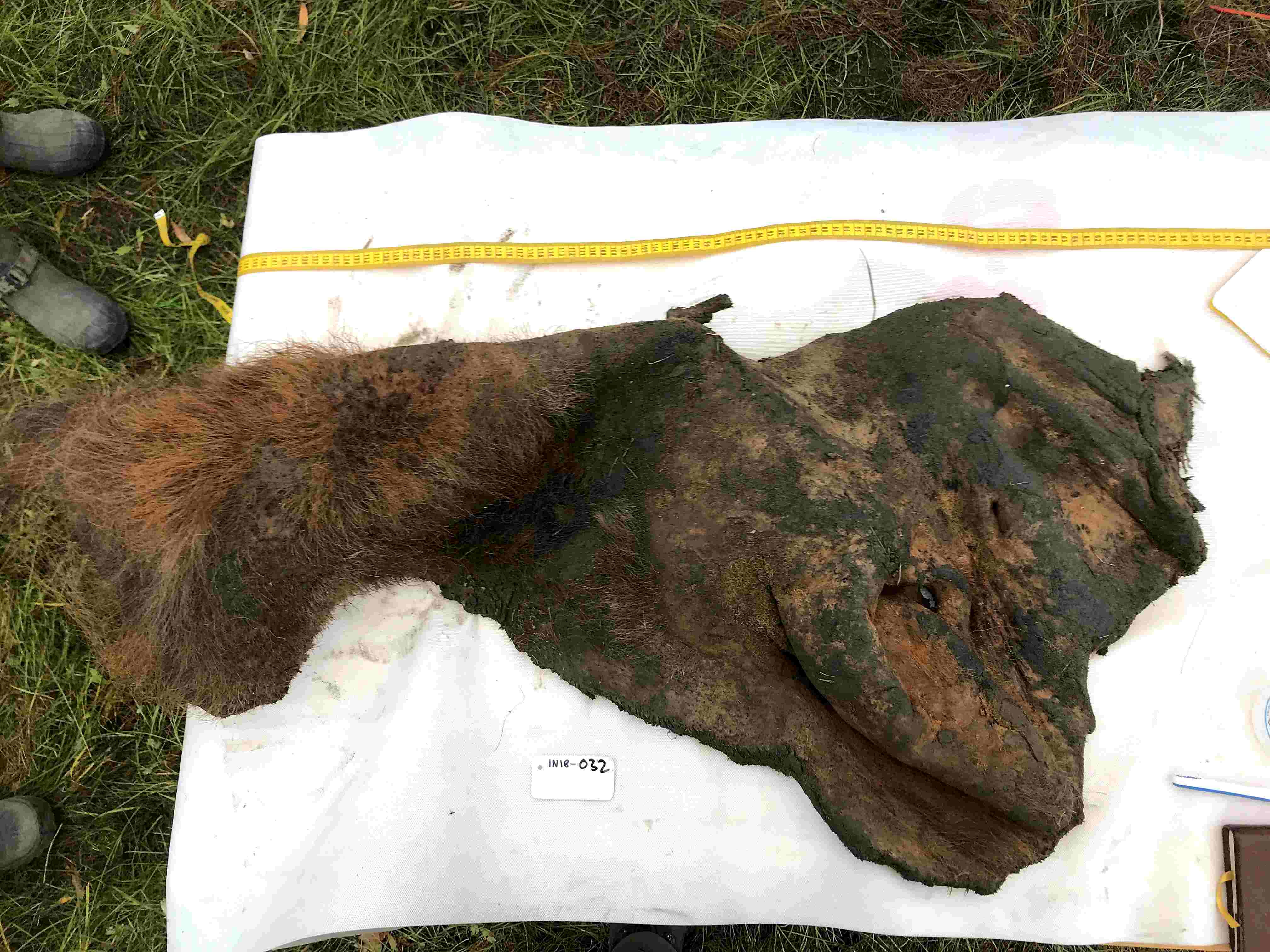
An international team of scientists, including researchers from the CRG and the CNAG (Barcelona), have managed to recover DNA remains from a female woolly mammoth that died in Siberia 52,000 years ago. The novelty is that, for the first time, the remains conserve the three-dimensional structure in the form of chromosomes, which makes it possible to investigate the genes that were active. According to one of the authors of the study, the results of which are published in the journal Cell, this type of discovery "changes the rules of the game, because knowing the shape of the chromosomes of an organism allows us to assemble the entire DNA sequence of extinct creatures and obtain information that was not possible before".

0