Health Institute Carlos III
If you are the contact person for this centre and you wish to make any changes, please contact us.
Director of the National Centre for Tropical Medicine (CNMT) at the Carlos III Health Institute
PhD in Pharmacy, Professor of Human Physiology at the University of Navarra, member of the CIBER Physiopathology of Obesity, Carlos III Health Institute and IDISNA (Navarra)
Head of the Influenza and other Respiratory Virus Surveillance Group of the National Epidemiology Centre.
Researcher at the Reference and Research Laboratory in Mycology, National Microbiology Centre, Instituto de Salud Carlos III
Senior Scientist at the Health Institute Carlos III
HIV, STI and hepatitis B and C Surveillance Unit. National Centre of Epidemiology, Health Institute Carlos III
Researcher in social epidemiology, public health and biostatistics
Researcher with a PhD employed at the National Epidemiology Centre of the Carlos III Health Institute (ISCIII)
Senior scientist at the Carlos III Health Institute
Senior Scientist at the Special Pathogens Research and Reference Laboratory of the National Microbiology Centre of the Carlos III Health Institute

The relative risk of being born with a major heart defect is 36% in babies conceived using assisted reproductive techniques, such as in vitro fertilisation, compared to newborns not using these techniques, according to a study published in the European Heart Journal. The absolute risk was 1.84% versus 1.15%. The research, which included more than seven million babies born in Denmark, Finland, Norway and Sweden, also shows that the increased risk is especially associated with multiple births, which are more common in assisted reproduction.
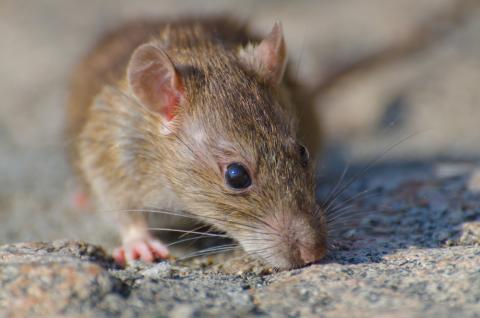
A review published in Science estimates that 2 % of rodent species are hyper-reservoirs, hosting and transmitting more than three pathogens to humans, including Lyme disease, Lassa fever and plague. In addition, the authors estimate that 10 % of rodents are reservoirs for one to three pathogens. These are especially so-called synanthropic species - animals that live close to humans and are able to adapt to these environments - such as black rats, Norway rats and house mice.

August 2003 was the month of the heatwave that killed 70,000 people in Europe. In France, with 14,800 deaths, the Minister of Health resigned, and in Spain, with 6,500, the first prevention plan for the extreme heat was put in motion, which came into force in 2004. Two decades later, campaigns and preventive measures in social services, nursing homes, and hospitals have generated the so-called "heat culture," and although temperatures continue to rise due to climate change, this adaptation is limiting its impact.

Studies associating the consumption of low amounts of alcohol with health benefits are not of good scientific quality, says a meta-analysis pooling the findings of 107 previous papers. For example, studies may use a reference group of older adults who have given up or limited alcohol for health reasons. Compared to those who continue to drink, the latter appear to be in better health, notes the article, published in the Journal of Studies on Alcohol and Drugs.

A team led by the Carlos III Health Institute has analyzed how short-term concentrations of particles associated with wildfires and Saharan dust incursions influence hospital admissions in Spain due to mental and behavioral disorders. The results were explained in a briefing organized by the Science Media Centre Spain.

Researchers at France's National Institute of Public Health have identified priority pathogens for wastewater surveillance during the Paris Olympic and Paralympic Games - to be held from 26 July to 11 August and 28 August to 8 September, respectively. The six pathogens selected, as reported in Eurosurveillance magazine, were poliovirus, influenza A virus, influenza B virus, mpox virus, SARS-CoV-2 and measles virus. Their choice was based on three criteria: analytical feasibility, relevance to the Olympic Games and characteristics of the pathogens, and their value in informing public health policy. In recent weeks, higher than recommended levels of E. coli bacteria have been found in the Seine River, according to the Associated Press.

The use of the antidepressants escitalopram, paroxetine, and duloxetine is associated with greater weight gain than the use of sertraline, according to the results of an analysis comparing data from more than 183,000 adults treated with one of eight types of antidepressants. Among these, bupropion is associated with the least weight gain, concludes the study, which is published in Annals of Internal Medicine.
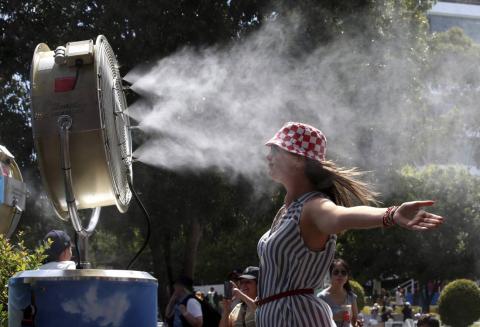
Since 2024, the Ministry of Health will begin using a new, more rigorous alert system based on 182 meteosalud zones instead of 52 provinces. The aim is to make the plan more effective, inform the population when necessary, and ultimately save lives.
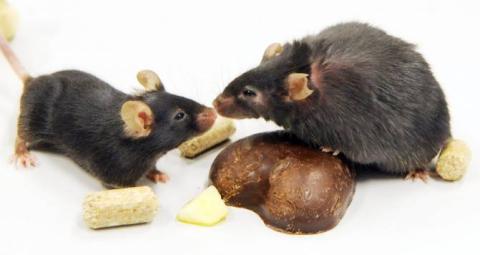
Five out of ten potential treatments move from animal studies to human studies; four to randomised controlled clinical trials; and one in 20 moves on to approval by regulatory agencies, an analysis estimates. Concordance between positive results in animals and in clinical studies is 86%, according to the study, published in PLoS Biology, which pools the findings of 122 published studies on 54 different human diseases.
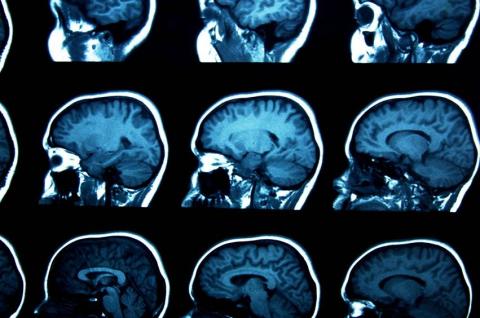
The PsychENCODE consortium, established in 2015 and dedicated to illuminating the molecular mechanisms underlying schizophrenia, bipolar disorder, and autism spectrum disorder, presents findings based on the examination of human brains at the cellular level. The studies are published today in the journals Science, Science Translational Medicine and Science Advances.