Health Institute Carlos III
If you are the contact person for this centre and you wish to make any changes, please contact us.
Director of the National Centre for Tropical Medicine (CNMT) at the Carlos III Health Institute
PhD in Pharmacy, Professor of Human Physiology at the University of Navarra, member of the CIBER Physiopathology of Obesity, Carlos III Health Institute and IDISNA (Navarra)
Head of the Influenza and other Respiratory Virus Surveillance Group of the National Epidemiology Centre.
Researcher at the Reference and Research Laboratory in Mycology, National Microbiology Centre, Instituto de Salud Carlos III
Senior Scientist at the Health Institute Carlos III
HIV, STI and hepatitis B and C Surveillance Unit. National Centre of Epidemiology, Health Institute Carlos III
Researcher in social epidemiology, public health and biostatistics
Researcher with a PhD employed at the National Epidemiology Centre of the Carlos III Health Institute (ISCIII)
Senior scientist at the Carlos III Health Institute
Senior Scientist at the Special Pathogens Research and Reference Laboratory of the National Microbiology Centre of the Carlos III Health Institute
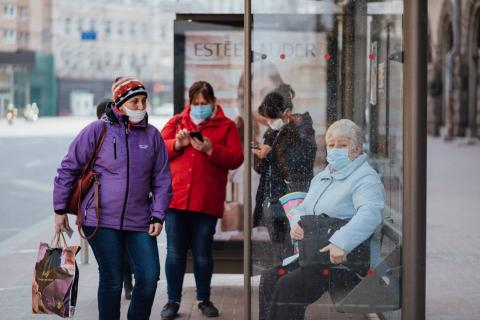
An international team with WHO participation concludes that global covid-19 infection rates may be higher than reported. The research, published in the journal PLOS Medicine, is based on a systematic review and meta-analysis of seroprevalence studies published between 1 January 2020 and 20 May 2022.
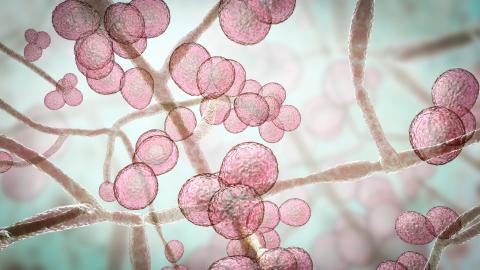
The WHO has published the first list of priority fungal pathogens, which affect more than 300 million people and kill at least 1.5 million people every year. However, funding to control this scourge is less than 1.5 % of that devoted to infectious diseases.
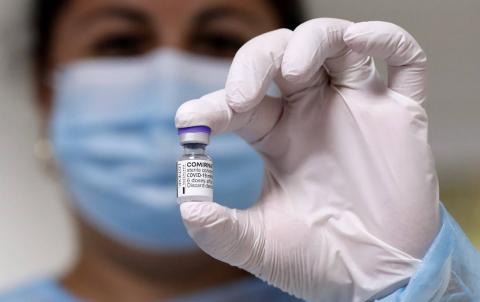
During Pfizer's appearance before the European Parliament this week, a company executive responded to the question of whether "Pfizer's vaccine was tested to stop transmission of the virus (SARS-CoV-2) before going to market" by saying "no".
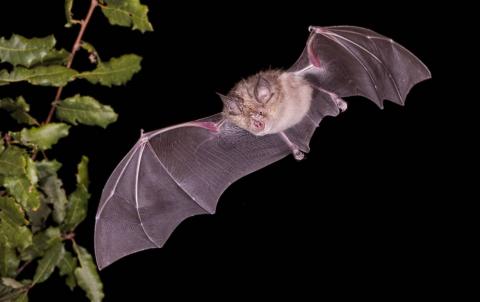
A sarbecovirus distantly related to SARS-CoV-2 and found in horseshoe bats in Russia is able to enter human cells using the ACE2 receptor, according to research published in PLOS Pathogens.
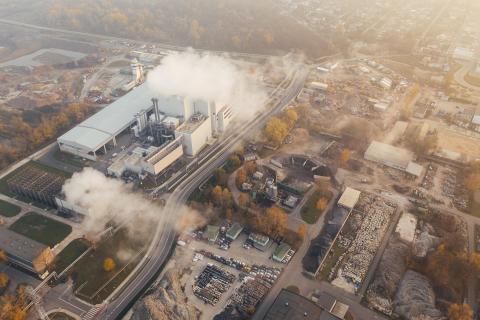
Last week saw the conclusion of the XL Annual Meeting of the Spanish Society of Epidemiology under the theme: "Challenges of the 21st Century: Environment, Climate Change and Social Inequalities". Climate change is the most important environmental challenge with an impact on public health facing society today. It is also a social challenge, as it further accentuates inequalities and inequities in health.

A study published in the British Journal of Sports Medicine has found a link between the practice of physical exercise and a lower risk of developing breast cancer in any of its types. The authors claim that there is very strong evidence that the association is causal.
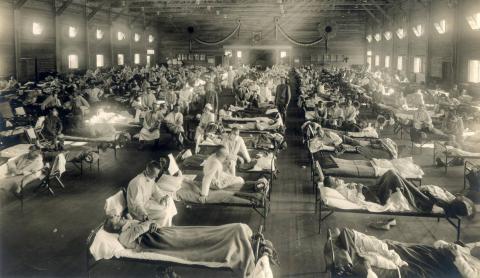
A study published today in the journal Nature Communications analyses the genomic variability of the influenza virus responsible for the 1918 pandemic and how it gave rise to the subsequent seasonal H1N1 influenza.
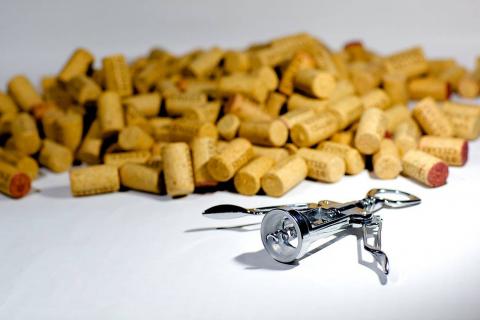
"The level of alcohol consumption that does not harm health is zero," says a review of dozens of studies conducted in recent years on the effect of light drinking. The 20 or so authors of the paper, and other experts, insist that "alcohol is carcinogenic from the first drink". In their view, this message should be conveyed more clearly to the public.
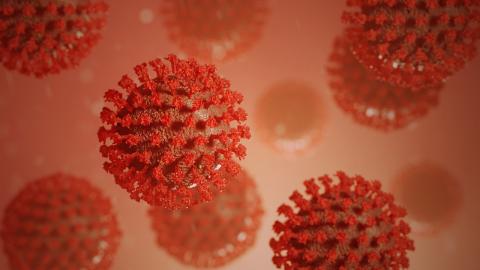
The UK Health Security Agency published in its latest report on 25 March the detection of three recombinant forms of omicron, called XE, XD and XF. The WHO mentions them in its 29 March report, noting that the possibility that XE is more transmissible than BA.2 still requires further study.
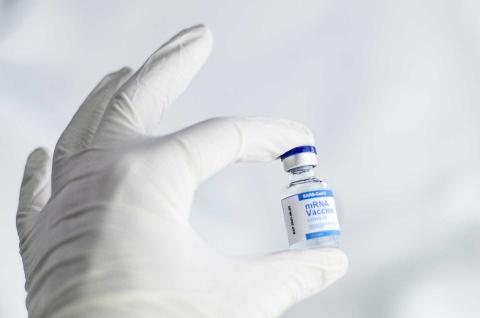
In Spain, since 13 January, the booster vaccination against covid-19 has been recommended for the general adult population. 78.8 % of those over 50 and 88.9 % of those over 60 have already had it, said the Minister of Health yesterday. If those who are missing have doubts, here we try to solve them.