Health Institute Carlos III
If you are the contact person for this centre and you wish to make any changes, please contact us.
Director of the National Centre for Tropical Medicine (CNMT) at the Carlos III Health Institute
PhD in Pharmacy, Professor of Human Physiology at the University of Navarra, member of the CIBER Physiopathology of Obesity, Carlos III Health Institute and IDISNA (Navarra)
Head of the Influenza and other Respiratory Virus Surveillance Group of the National Epidemiology Centre.
Researcher at the Reference and Research Laboratory in Mycology, National Microbiology Centre, Instituto de Salud Carlos III
Senior Scientist at the Health Institute Carlos III
HIV, STI and hepatitis B and C Surveillance Unit. National Centre of Epidemiology, Health Institute Carlos III
Researcher in social epidemiology, public health and biostatistics
Researcher with a PhD employed at the National Epidemiology Centre of the Carlos III Health Institute (ISCIII)
Senior scientist at the Carlos III Health Institute
Senior Scientist at the Special Pathogens Research and Reference Laboratory of the National Microbiology Centre of the Carlos III Health Institute

Avian influenza has returned to Spain this summer. In addition to a few cases in wild birds, since 18 July there have been several outbreaks in poultry in different autonomous communities, causing the country to lose its disease-free status. To answer questions about the situation, its possible causes, evolution and consequences, SMC Spain organised an information session with researchers Inmaculada Casas, Ursula Höfle and Elisa Pérez Ramírez.

More than 350 million people in North America and Europe may have been affected by fine particulate matter (PM2.5) pollution from the 2023 Canadian wildfires, according to estimates from a study published in Nature. The authors estimate that 5,400 acute deaths in North America and 64,300 chronic deaths in North America and Europe were attributable to exposure to these particles originating from Canadian forest fires.

The Planetary Health Diet promotes environmentally sustainable consumption, based, among other things, on increasing vegetable intake and reducing dairy and red meat consumption. Previous studies had found an association with better human health, although there were some conflicting results. Now, a study combining two cohorts of more than 150,000 people and a meta-analysis of 37 studies involving more than three million volunteers reinforces this association, finding that greater adherence to the diet is associated with lower all-cause mortality. The results are published in the journal Science Advances.
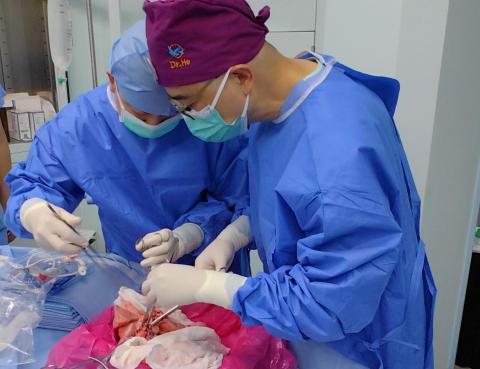
A team in China has transplanted a pig lung, genetically modified using CRISPR, into a brain-dead human. According to the researchers, this is the first time a lung transplant of this kind has been performed. The organ remained viable for the nine days of the study, although it showed some signs of damage and immune rejection. The results are published in the journal Nature Medicine.

The Pan American Health Organisation has maintained its epidemiological alert for Oropouche fever since it was first issued in February 2024. Although the virus only circulates endemically in the Americas, the importation of cases to Europe following international travel is keeping health agencies and authorities on alert.

In the US, the incidence of colorectal cancer increased in people aged 45-49 years in the period 2019-2022, after advancing the screening age from 50 to 45 years, according to a study published in JAMA. The use of mailed faecal tests made it possible to reach people in this age group, without affecting screening rates in people over 50, says another paper published in the same journal.
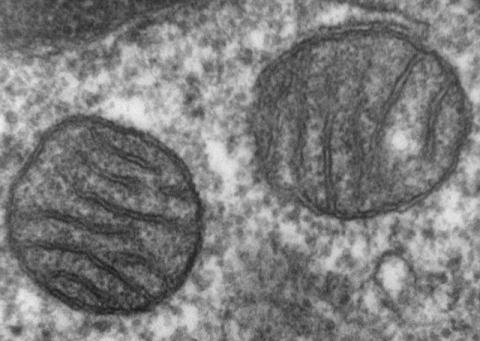
In 2015, the United Kingdom became the first country to pass legislation allowing the use of mitochondrial donation technology, pronuclear transfer. The technique is designed to limit, through in vitro fertilization, the transmission of mitochondrial DNA diseases in babies born to women who are at high risk, and for which there is no cure. Two studies published in the New England Journal of Medicine (NEJM) describe the results of the first treatments performed to date, from which eight babies have been born by mitochondrial donation, with reduced risk of disease.

An international team has analysed data from more than 160,000 people in 40 different countries, including Spain, to study differences in the speed of ageing between regions and the factors responsible. According to the results, European countries show healthier ageing, while low-income countries are associated with accelerated ageing. Protective factors include physical factors such as air quality; social factors such as socioeconomic and gender equality; and sociopolitical factors such as freedom of political parties and democratic elections. The study is published in the journal Nature Medicine.

The State Meteorological Agency (AEMET) has reported that a warm weather will bring temperatures 6 to 7 ºC higher than normal for this time of year throughout Spain. According to AEMET, 29 May to 1 June could be the warmest days for this time of year since at least 1950.
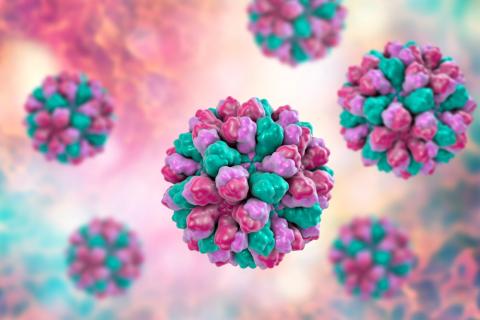
According to the results of a phase 2 trial, an oral norovirus vaccine generated a strong mucosal immune response and even reduced viral shedding in vaccinated volunteers. Signs of the vaccine's efficacy support its potential to address the lack of safe and reliable vaccines against this virus, which is a major cause of gastrointestinal infections worldwide. The results were published today in the journal Science Translational Medicine.