
Barcelona Supercomputing Center (BSC)
If you are the contact person for this centre and you wish to make any changes, please contact us.
Expert researcher in quantum computing at the Barcelona Supercomputing Center and coordinator of Quantum Spain
ICREA professor and director of Life Sciences at the Barcelona National Supercomputing Centre (BSC).
Researcher at the Department of Earth Sciences at the Barcelona Supercomputing Center
Head of the Data Analysis and Visualization group of the Barcelona Supercomputing Center (BSC-CNS)
ICREA Professor, Director of the Earth Sciences Department at the Barcelona Supercomputing Center
Postdoctoral researcher in the Atmospheric Composition Group, Department of Earth Sciences at the Barcelona Supercomputing Center - National Supercomputing Centre (BSC-CNS)
ICREA Research Professor, Climate Variability and Change Group Co-Leader
Co-leader of the Barcelona Supercomputing Center's Climate Change and Prediction Group
Established Researcher, Climate Variability and Change Group, Barcelona Supercomputing Center
Researcher in the Department of Earth Sciences - Climate Variability and Change at the Barcelona Supercomputing Centre (BSC)
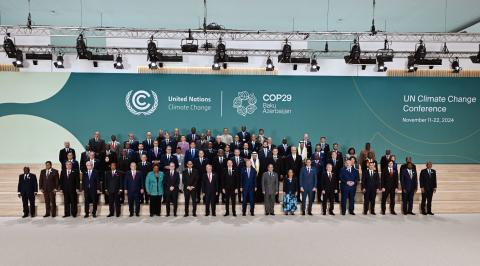
The largest carbon balance report shows that carbon dioxide emissions have not yet peaked and are projected to reach 37.4 billion tonnes by 2024. In a briefing organised by SMC Spain, Pep Canadell, one of the people in charge of the Global Carbon Budget 2024, analysed these data and what Donald Trump's return as US president means for climate action in the framework of COP29 in Baku.
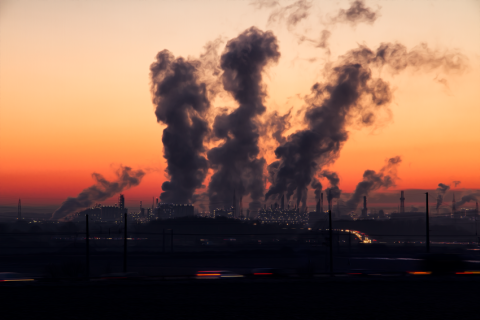
There are still no clear signs that global fossil carbon dioxide (CO2) emissions have peaked, according to the 2024 Global Carbon Budget. The report - which is published in the journal Earth System Science Data in preprint format and will be launched at COP29 in Baku - estimates that these emissions will grow by 0.8% this year compared to 2023, to 37.4 billion tonnes of CO2. If this rate continues, there is a 50% chance that global warming will exceed the 1.5°C limit in six years.

A study by a team from the ClimaMeter project claims that the intensification of rainfall from the DANA that devastated Valencia and other regions on 29 October is mainly attributed to human-induced climate change. Natural climate variability, on the other hand, probably played a modest role. According to the analysis, this DANA was driven by very exceptional weather conditions. The work also shows that the DANA-like depressions that cause flooding in the southeastern peninsular are up to 15 % wetter than they were in the past. In addition, temperatures are up to 3°C warmer, which favours storm formation in these events over the Mediterranean basin.
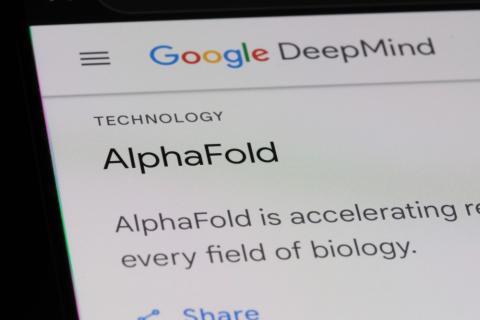
Two of the Nobel Prize winners in Chemistry 2024 are employees of Google DeepMind, who caused significant unrest among their colleagues in May. Hassabis and Jumper announced in *Nature* the results of their AlphaFold 3 model, with applications in drug design; however, they published it in a closed manner, with reviewers not even having access to the system, which contradicts the basic principles of scientific publication. We risk having the transformative potential of AI controlled by big tech companies.
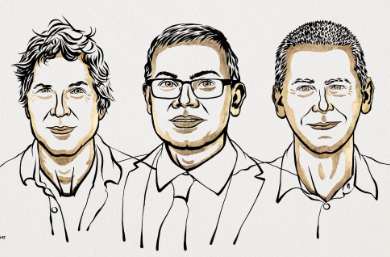
The Royal Swedish Academy of Sciences has awarded the Nobel Prize in Chemistry 2024 on the one hand to David Baker for computational protein design, which makes it possible to construct proteins with functions not present in nature. On the other hand, jointly to Demis Hassabis and John M. Jumper of Google DeepMind, for the development of AlphaFold2, which allows the structure of the 200 million known proteins to be predicted at high speed.
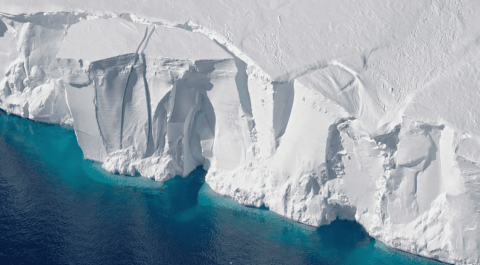
Climate tipping points are thresholds at which elements of the Earth could reach a point of no return, accelerated by climate change and with consequences for the rest of the planet. These drastic changes could affect, for example, the Atlantic Meridional Circulation (AMOC), polar ice sheets or tropical rainforests. A study published in Science Advances concludes that there is too much uncertainty to extrapolate historical data and reliably estimate when these inflections will occur.
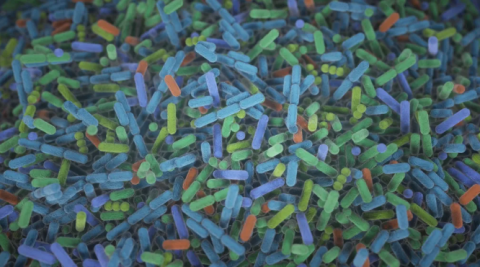
Research has identified 31 biomarkers in the gut microbiota of children that are associated with autism spectrum disorder (ASD) and could have diagnostic value. The gut microbiota includes bacteria, viruses, fungi and archaea. The team replicated the results, published in Nature Microbiology, in three cohorts and analysed faecal samples from more than 1,600 children and children in total, with and without ASD, in China.
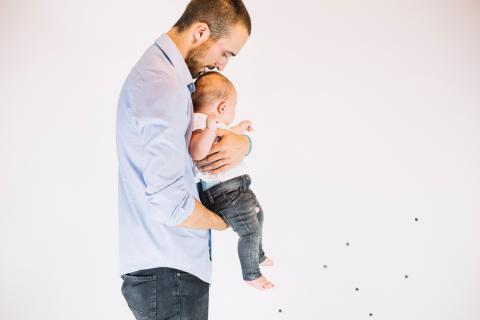
After the first year of life, the father's contribution to his baby's microbiota is comparable to the mother's contribution, whether born vaginally or by caesarean section, says a study published in Cell Host & Microbe. In addition, faecal microbiome transplants from the mother to her baby can restore the microbiome in the case of caesarean birth, says the study, which included 74 babies and involved Spanish participants.
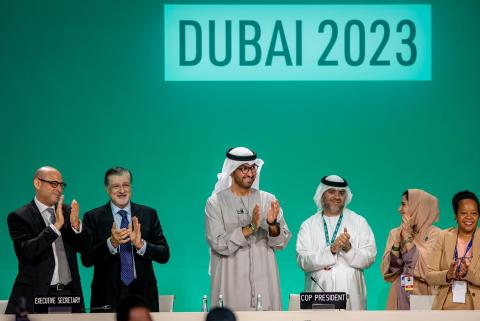
After an intense night of negotiations in Dubai (United Arab Emirates), the countries participating in COP28 reached a historic agreement by mentioning for the first time "moving away from fossil fuels" in the Global Stocktake document - the assessment of progress made towards achieving the climate goals set out in the Paris Agreement. The agreement comes after the first draft presented by the presidency did not make this mention - it referred only to "reducing consumption and production" of these fuels - which was described as "unacceptable" by countries such as Spain.
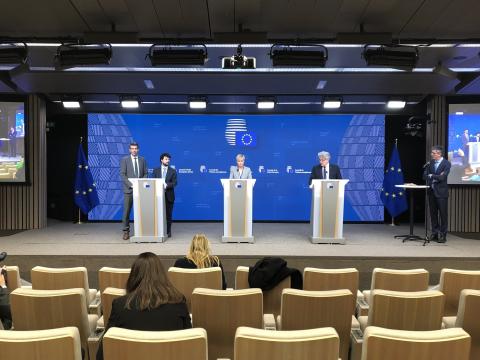
After lengthy negotiations, the European Commission, the European Parliament and the Council of the EU - which represents the member states - reached a provisional agreement last night on the content of the 'AI Act', the future law that will regulate the development of artificial intelligence in Europe, the first in the world. The agreement limits the use of biometric identification systems by security forces, includes rules for generative AI models such as ChatGPT and provides for fines of up to 35 million euros for those who violate the rules, among other measures. The text must now be formally adopted by the Parliament and Council before it becomes EU law.