Journalists

Journalists

Covering current events in science, the environment, technology and health requires a context and reliable sources that respond quickly.

¿Qué me ofrece?

When science hits the headlines, we publish reactions, explanations, and in-depth analysis from reliable sources, capturing both the evidence and the debates. Our library of science journalism resources and the briefings may be of use to you. Consult our directory of research centres.

Icono
Cómo trabajamos

We are on the lookout for any controversial information about science (embargoed or not), in order to react with the agility the media needs. Sign up to receive our embargoed contents, all under the Creative Commons licence. Find out more about how we work here.

Título qué me ofrece
What we offer you
Título cómo trabajamos
How we work

Passive smoking during a father's childhood can affect the lung function of his future offspring

A man's exposure to second-hand smoke during childhood may increase his children's risk of developing chronic obstructive pulmonary disease (COPD), which includes chronic bronchitis and emphysema, according to research published in the journal Thorax. Although this is an observational study from which no firm conclusions about causality can be drawn, the authors believe that their findings could be due, at least in part, to a type of epigenetic inheritance and ‘suggest that smoking may adversely affect lung function not only in smokers, but also in their children and grandchildren.’

0

AI used to improve brain-computer interfaces for people with paralysis

Brain-computer interfaces are devices that decode nerve signals and can help people with paralysis move and communicate. Now, a team at the University of California (USA) has used artificial intelligence tools to improve their functioning. In an initial study, their use improved a person with paraplegia's cursor control fourfold. It also allowed the person to perform tasks with a robotic arm that they couldn't complete without the AI. The results are published in the journal Nature Machine Intelligence. 

0

The declaration of famine in Gaza: what it means and where we stand now

On 22 August, the UN officially declared famine in Gaza, defined as an extreme situation of food insecurity in which there is insufficient access to food to survive, leading to high rates of malnutrition, disease and mortality. The Spanish Society of Epidemiology explains how this situation is technically assessed, as well as the implications of the declaration.

1

Women remain underrepresented in clinical trials for cardiovascular diseases

An international team has analysed gender representation in more than 1,000 clinical trials on cardiovascular disease between 2017 and 2023, involving more than one million people. Although female participation has increased, especially in areas such as obesity and heart failure, women continue to be underrepresented overall compared to men. The results, presented at the European Society of Cardiology (ESC) Congress held in Madrid from 29 August to 1 September, are published in JAMA Network Open.

0

The risk of developing a second cancer after early-stage breast cancer is low, according to a study of patients in England

For women diagnosed with early-stage breast cancer, the long-term risk of developing a second primary cancer is low, around 2–3 per cent higher than that of women in the general population. This is one of the conclusions of a study published by The BMJ, which analysed data from nearly half a million women diagnosed in England between 1993 and 2016 with early-stage invasive breast cancer who underwent surgery. During a follow-up period of up to 20 years, around 65,000 women developed a second primary cancer, but the absolute excess risk compared to the risks in the general population was small.

0

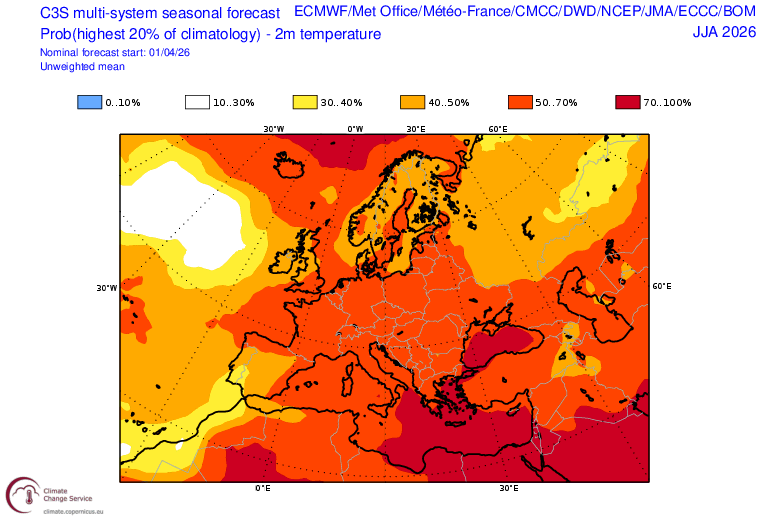
Supercell thunderstorms could become more frequent if global warming is not controlled

So-called ‘supercell thunderstorms’ — incredibly intense phenomena that bring hurricane-force winds, hail, torrential rain and often tornadoes — will become more frequent in Europe as the Earth continues to warm. This is the conclusion of a study published in Science Advances, which indicates that the increase could reach 11% in a scenario where temperatures rise by 3°C.

0

The deteriorating mental health of young people is causing the "unhappiness curve" for those under 50 to disappear

Until now, perceived well-being followed a U-shaped curve depending on age, declining – due to worry, stress or depression – until people reached middle age, around 50, and then rebounding into old age. With malaise, the U is inverted and we talk about the ‘unhappiness curve’, shaped like a hump. Now, research published in PLOS One with data from the US and the UK claims that this age-related malaise is declining and that there is no longer such a hump. The reason for the change is said to be the deterioration of mental health among young people, especially those under 25. The study also includes data from 44 countries between 2020 and 2025, including Spain, and confirms that the malaise no longer takes the form of a hump, but decreases with age.

0

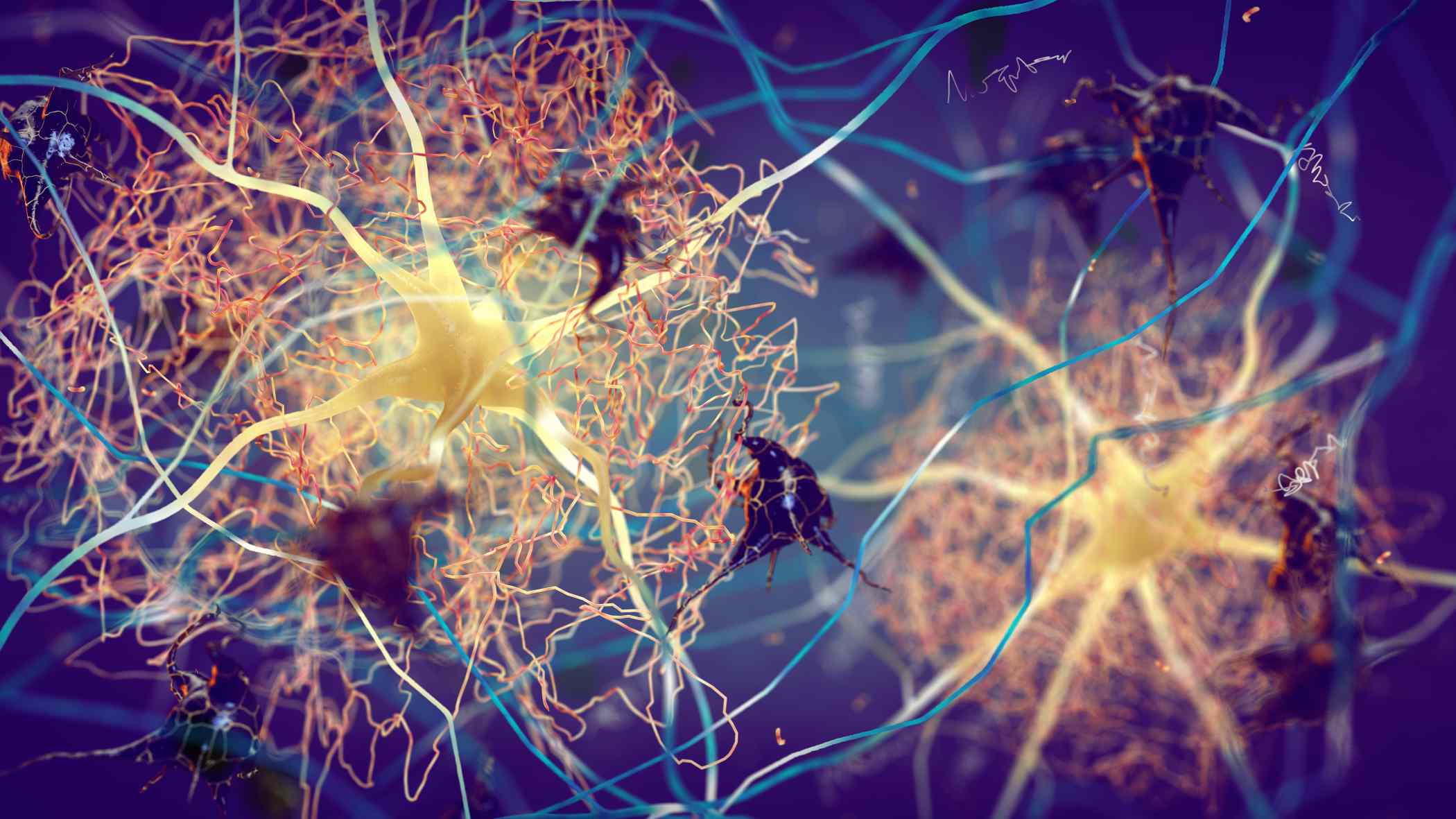
A link between digestive disorders and the development of Alzheimer's and Parkinson's diseases has been shown

An international team with Spanish participation has analyzed data from more than 500,000 people and found a link between digestive disorders such as colitis, gastritis, esophagitis, or functional bowel disorders and an increased risk of developing Alzheimer's and Parkinson's diseases. According to the researchers, who published their findings in the journal Science Advances, “this effort sheds light on the interaction between factors involved in the gut-brain axis and opens avenues for targeted treatment and early diagnosis.”

0

Two changes in the human pelvis that were key to walking on two legs discovered

The upper part of the human pelvis, the ilium, underwent two major structural changes during evolution that enabled humans to walk on two legs. One was the formation of cartilage and the second was the process of bone formation. New research identifies differences in the way bone cells are deposited on cartilage in the human ilium, compared to other primates and human long bones. The study, published in Nature, lays the genetic and evolutionary foundations for bipedalism, according to the authors.

0

Shown a way in which RNA and amino acids might have begun to relate at the origin of life

Amino acids are the building blocks of proteins. These are known as the building blocks of life, but they cannot replicate themselves. To do so, they need the instructions provided by RNA. How this relationship began is still a mystery. Now, a British team has shown how it could have started from relatively simple conditions. According to the researchers, who published their findings in the journal Nature, ‘understanding the origin of protein synthesis is fundamental to understanding where life comes from.’


0