Journalists

Journalists

Covering current events in science, the environment, technology and health requires a context and reliable sources that respond quickly.

¿Qué me ofrece?

When science hits the headlines, we publish reactions, explanations, and in-depth analysis from reliable sources, capturing both the evidence and the debates. Our library of science journalism resources and the briefings may be of use to you. Consult our directory of research centres.

Icono
Cómo trabajamos

We are on the lookout for any controversial information about science (embargoed or not), in order to react with the agility the media needs. Sign up to receive our embargoed contents, all under the Creative Commons licence. Find out more about how we work here.

Título qué me ofrece
What we offer you
Título cómo trabajamos
How we work

A new technique capable of multiplying and reducing the cost of single-cell analysis

An international team, co-led by researchers from the CNAG in Barcelona, has developed a new technique that allows millions of individual cells to be analysed at the same time without the need for sequencing, using what is known as spatial genomics. The technique, called STAMP, could make this type of analysis cheaper and more widespread. ‘We are opening the door to revolutionary advances in precision medicine, enabling the development of highly targeted diagnostics and therapies capable of transforming clinical outcomes,’ say the authors, who publish their findings in the journal Cell.

0

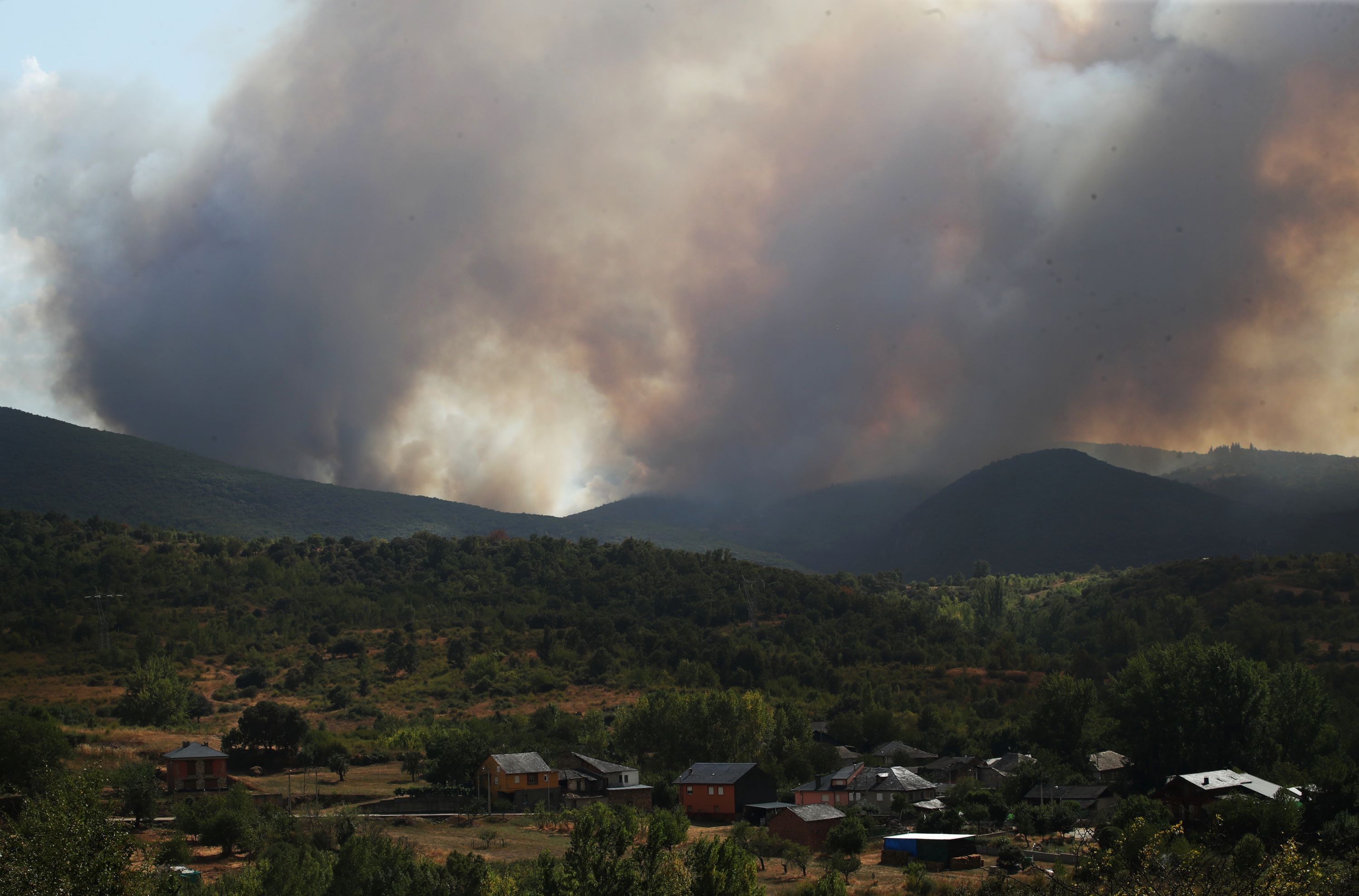
The frequency of planetary wave resonances has tripled in the last 70 years, according to a study

Over the last seven decades, the frequency of planetary wave resonance phenomena has tripled, according to a study published in PNAS. The authors argue that the risk of extreme weather events related to this phenomenon during the northern hemisphere summer could be higher than current model estimates.

0

The decline of large scavengers could increase the risk of disease for humans

A team from Stanford University (USA) has analysed the conservation status of 1,376 species of scavenger animals. The results, published in the journal PNAS, indicate that 36% of them are threatened or in decline, especially large species and obligate scavengers, which depend exclusively on carrion for food. In contrast, the number of small and facultative scavengers, such as rodents, for which carrion is not their only source of food, is increasing. According to the authors, this ‘could increase the risks of diseases that large scavengers have helped to mitigate’.

0

Review the dangers of climate change for plants and the possibilities for adaptation

The changes caused by the climate crisis—such as its impact on rainfall and rising temperatures—are stressful for plants in both wild and agricultural environments. A special issue of the journal Science brings together five articles reviewing this issue, including the adaptations that plants can adopt and that could be applied to combat it.

0

A network of optical clocks opens the door to redefining the second

A team of researchers has performed the most comprehensive coordinated comparison of optical clocks - a type of high-precision atomic clock - to date, running them simultaneously in six different countries. According to the authors, who publish the results in the journal Optica, the work “supports progress toward a redefinition of the second” and could serve to “develop entirely new applications and advance scientific projects that depend on time and frequency.”

0

The level of mercury in rivers has more than doubled since the Industrial Revolution

A model has analysed mercury concentrations in rivers around the world from 1850 to the present day. The results, published in Science Advances, conclude that levels have doubled and even tripled since the Industrial Revolution: before 1850, rivers carried approximately 390 metric tonnes of mercury to the oceans each year, and today that figure has risen to around 1,000 metric tonnes. According to the authors, these results have implications for human health and wildlife, as mercury compounds are neurotoxic, can accumulate in fish and pose a health risk through consumption.

0

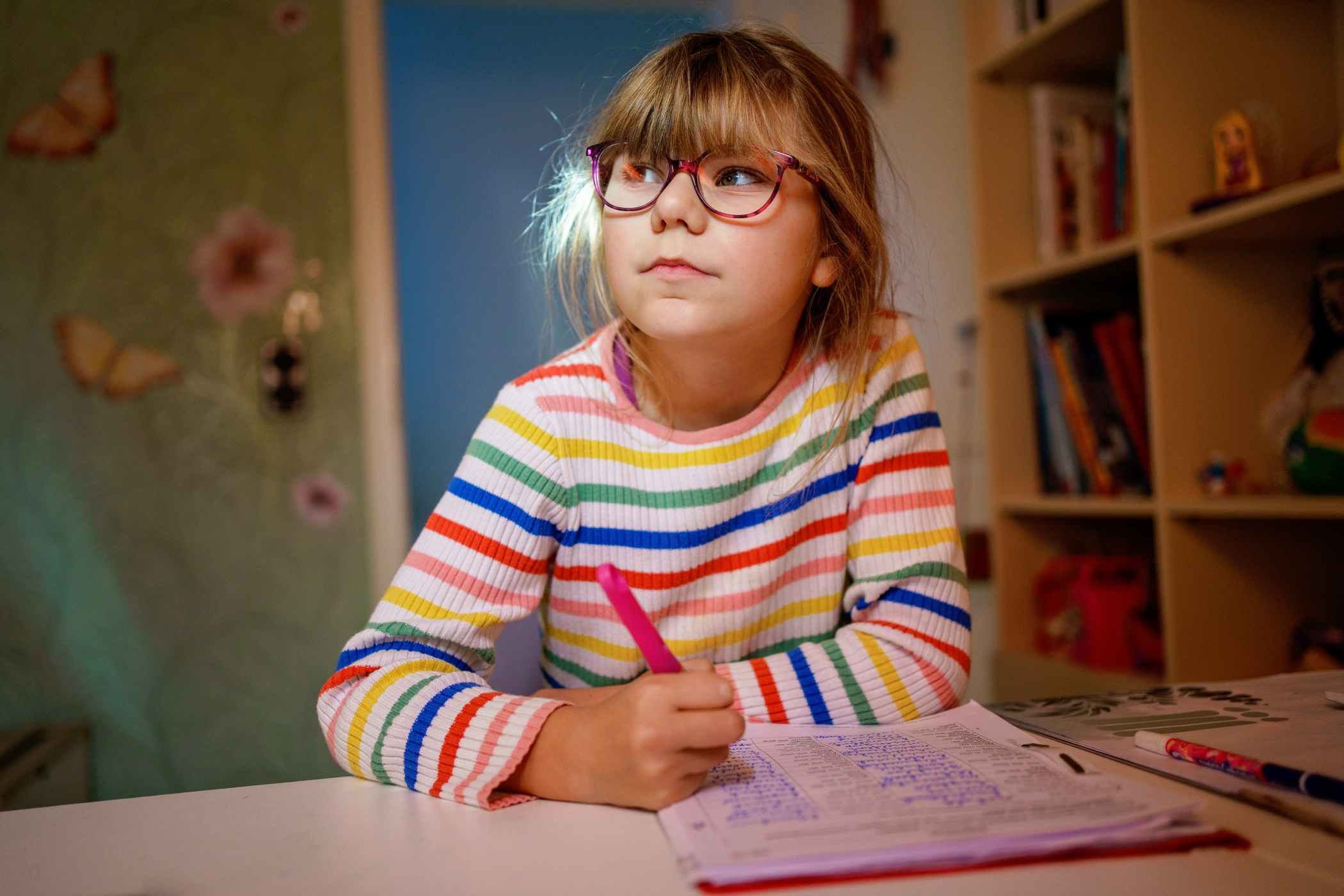
The gender gap in mathematics appears in the first year of primary school

A study evaluating the mathematical and linguistic performance of first- and second-year primary school students in France—more than 2.6 million children between 2018 and 2022—shows that the gender gap in mathematics appears within a few months of starting primary school. This gap increases with years of schooling, not with age, adds the research published in Nature.

0

A report highlights the risks of misuse of data collected by menstrual apps

Menstrual cycle tracking apps pose risks to users, according to a report published by the Minderoo Centre for Technology and Democracy at the University of Cambridge (United Kingdom). These apps collect intimate data about their users' physical and mental health and reproductive decisions, which can be exploited for commercial or legal purposes, the report warns.

0

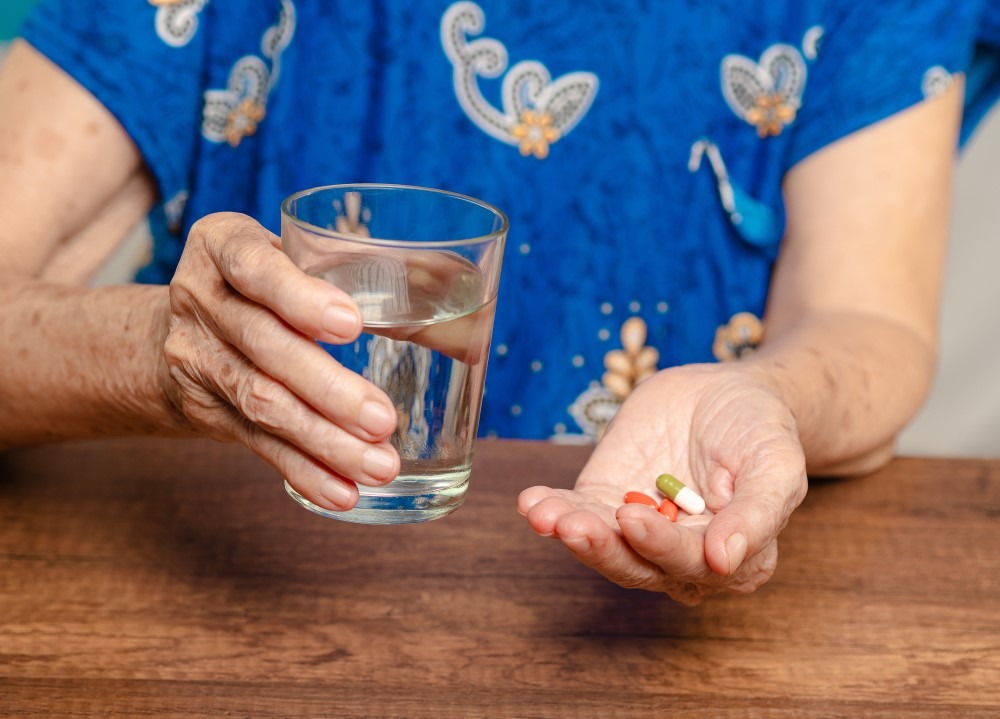
An antipsychotic proves effective in treating schizophrenia when taken orally weekly rather than daily

An oral formulation of risperidone could be administered weekly instead of daily to treat patients with schizophrenia with the same efficacy, according to a phase III clinical trial published in The Lancet Psychiatry. The study included 83 patients in the United States.


0

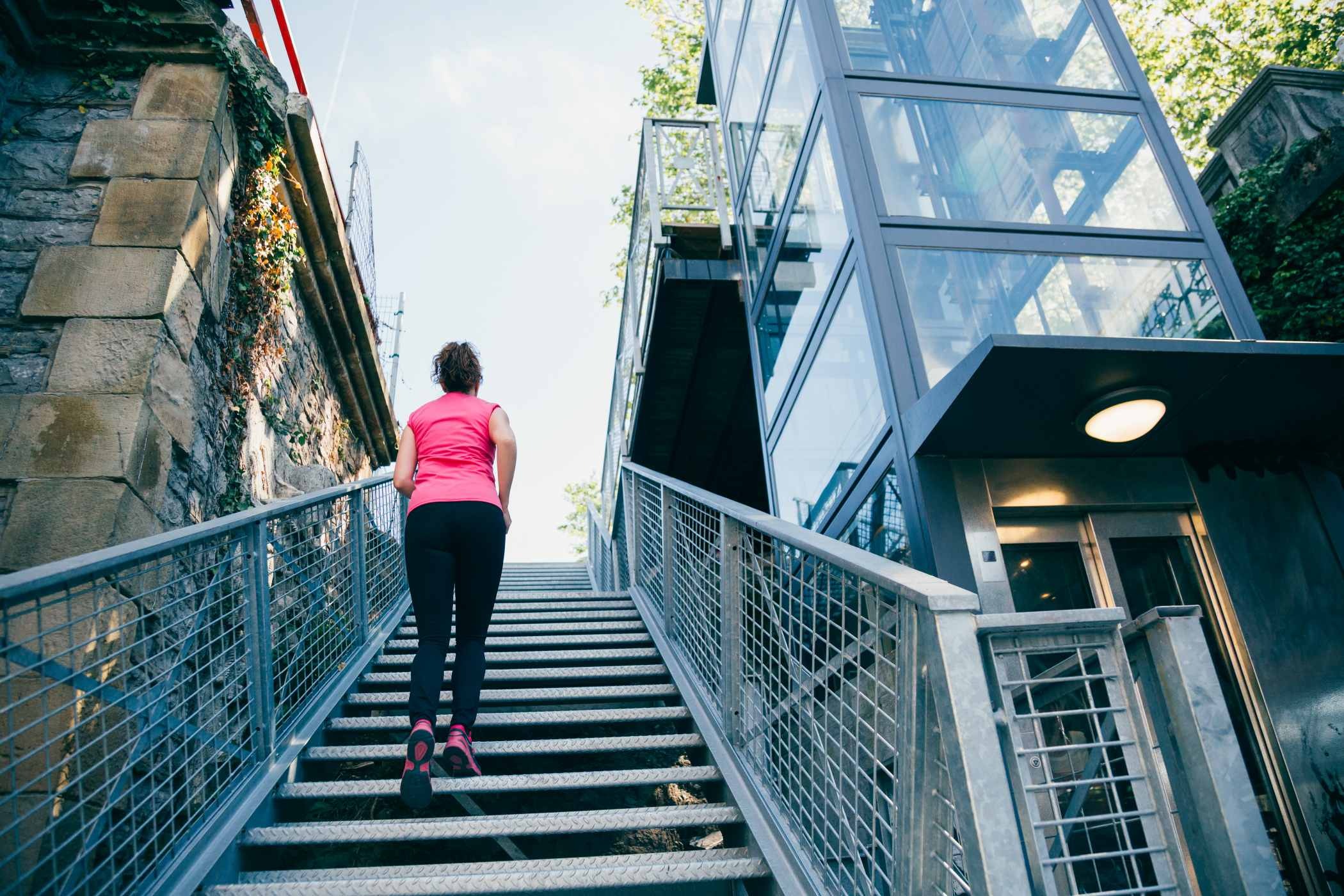
If cities imitated Copenhagen's cycle network, vehicle emissions would fall by 6%

A team from the United States has analysed data on modes of transport in more than 11,500 cities in 121 countries around the world, including Spain, representing 41% of the world's population. In addition to studying the factors that most influence the proportion of journeys made on foot or by bicycle, they estimate that if each city analysed increased the extent of its cycling network to the level of Copenhagen (Denmark), private vehicle emissions would be reduced by 6% and the public health benefits would be equivalent to around £37 billion. The results are published in the journal PNAS.

0