chronobiology

chronobiology

chronobiology

The increasing use of smartphones and LED lights prevents synchronisation between menstrual and lunar cycles
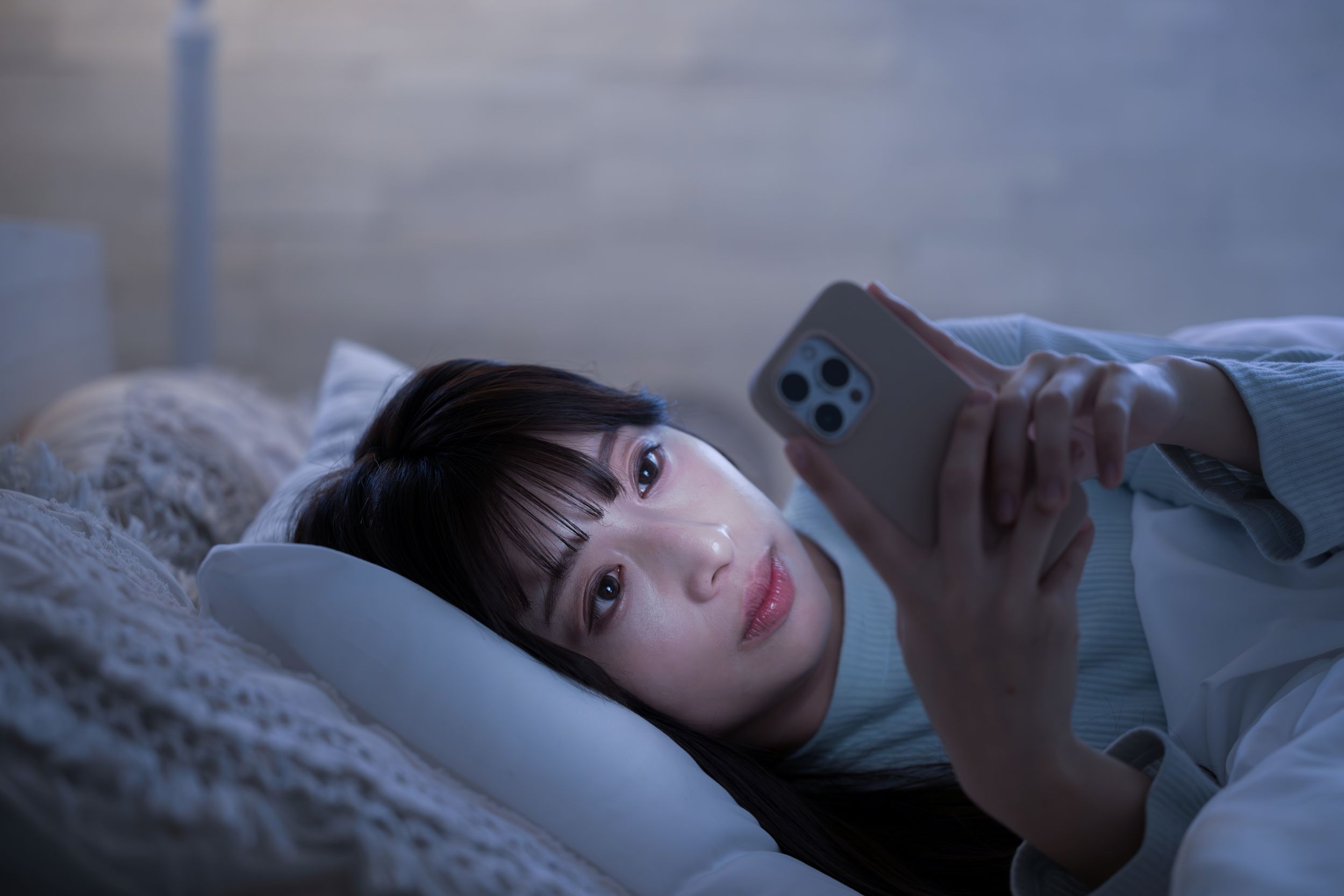
Menstrual cycles were synchronised with lunar cycles until 2010, but according to research published in Science Advances, after this date, this synchrony is only found in January, when lunar gravity is at its strongest. The team analysed the menstrual records of 176 women and attributes the loss of synchrony to the increasing use of smartphones and LED night lights, which became widespread from 2010 onwards.

0
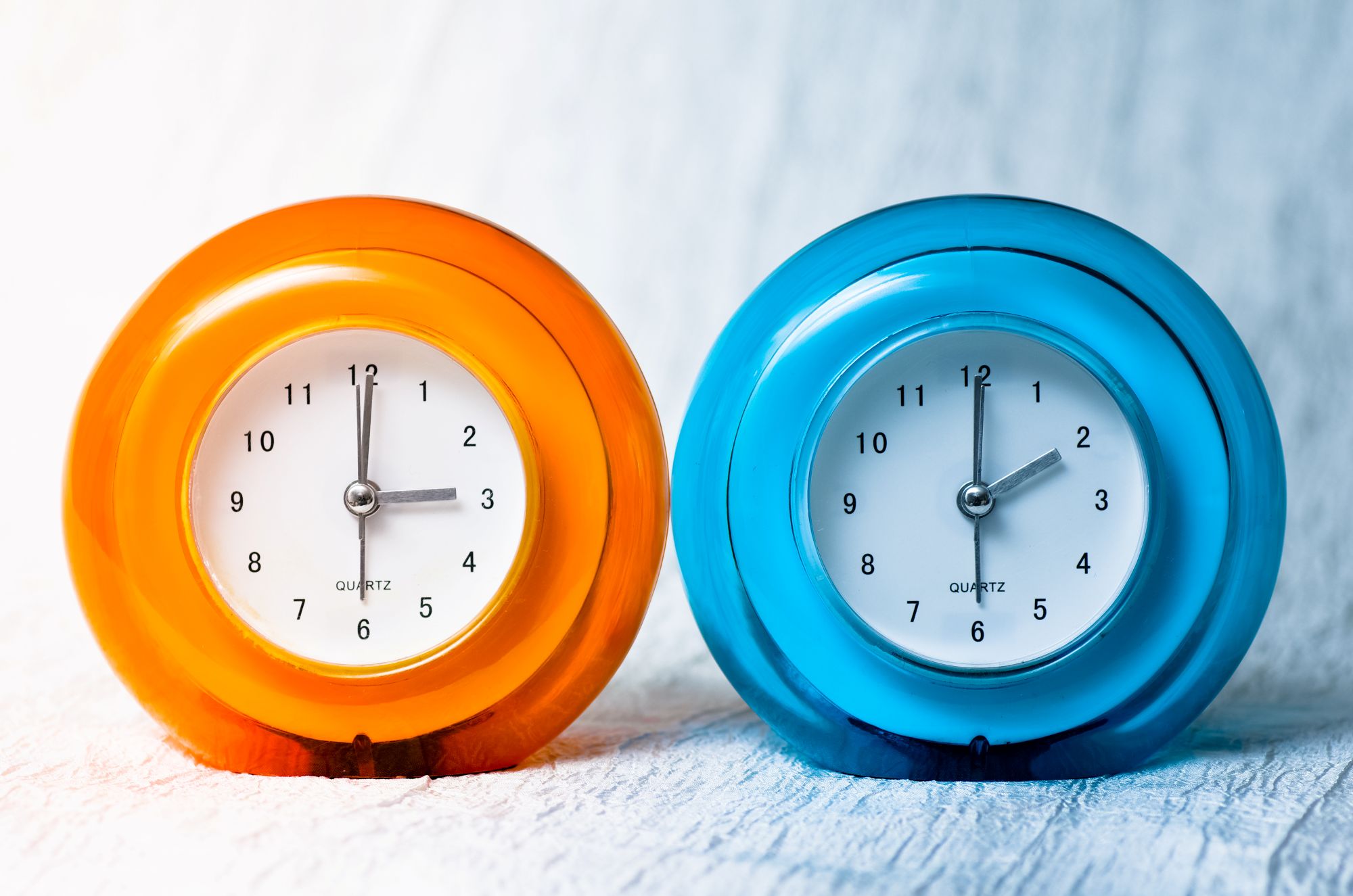
Not changing the time in summer or winter in the US would reduce strokes and obesity, according to a study

If the United States did not change the time twice a year, there would be a lower incidence of obesity and strokes. This is the conclusion of a study by Stanford University (USA) published in PNAS that compared how three different time policies — permanent standard time (winter), permanent daylight saving time, and biannual time changes — could affect circadian rhythms and the health of the population. By modelling light exposure, circadian impacts and health characteristics county by county, the researchers estimate that permanent standard time would prevent about 300,000 cases of stroke per year and reduce the number of people with obesity by 2.6 million, compared to biannual changes. Permanent daylight saving time would also be positive, although with a smaller impact.


0

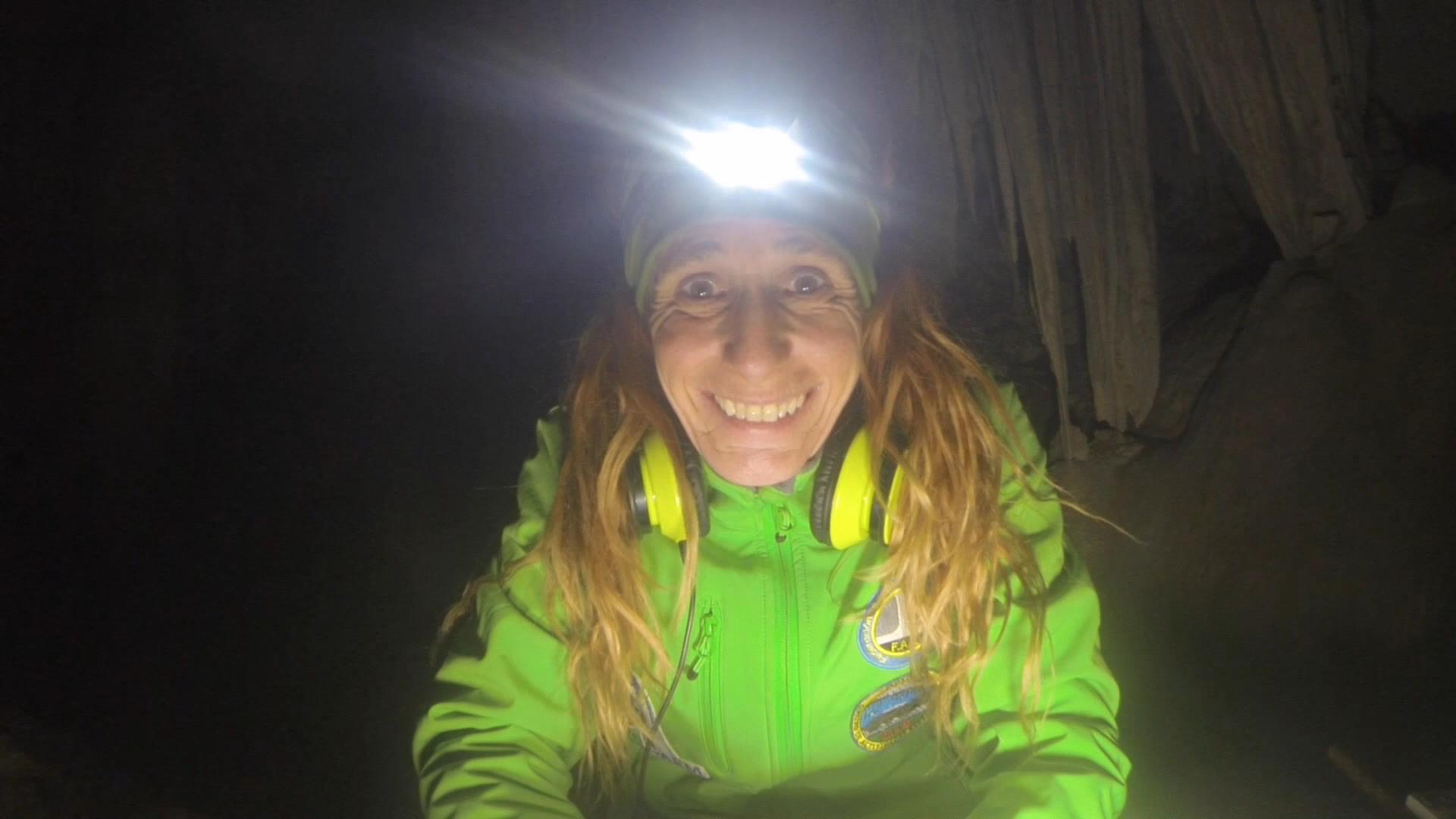
Reaction: A sportswoman ends her voluntary isolation in a cave in Granada after 500 days

A sportswoman named Beatriz Flamini has today emerged from a cave in the province of Granada, Spain, where she voluntarily isolated herself 70 metres deep for 500 days, without any contact with the outside world. This is a self-improvement project that was followed by a documentary production team. The initiative involves researchers in experimental psychology and behavioural physiology from the University of Granada, in clinical neuropsychology from the University of Almería, as well as from Kronohealth, a spin-off company of the University of Murcia's Chronobiology laboratory.

0