
University of Granada
If you are the contact person for this centre and you wish to make any changes, please contact us.
Doctor of Ethology, research collaborator in the Department of Zoology
Professor in the Department of Theoretical Physics and the Cosmos at the University of Granada.
Professor at the University of Granada (UGR), lecturer in the Master's Program in Research in Physical Activity and Sport at the UGR and director of the research group "Brain and Human Cognition" at the Mind, Brain and Behavior Research Center (CIMCYC)
Vice-director of FiloLab and professor of Bioethics at the University of Granada
Professor in the department of Experimental Psychology and researcher at the Mind, Brain and Behaviour Research Center (CIMCYC) at the University of Granada
Professor of Pharmacology at the University of Granada and coordinator of the Working Group on Basic Sciences in Pain and Analgesia of the Spanish Pain Society
Lecturer in Social Psychology at the University of Granada (UGR) and researcher at the Centre for Research on Mind, Brain and Behaviour (CIMCYC)
Full professor and director of the department of Personality, Evaluation and Psychological Treatment at the faculty of psychology of the University of Granada.
Professor of Zoology at the Department of Zoology and coordinator of the Applied Ecology and Agroecosystems research group at the University of Granada
Professor of AI, Director of the DaSCI (Data Science and Computational Intelligence) Research Institute, University of Granada and member of the Royal Academy of Engineering
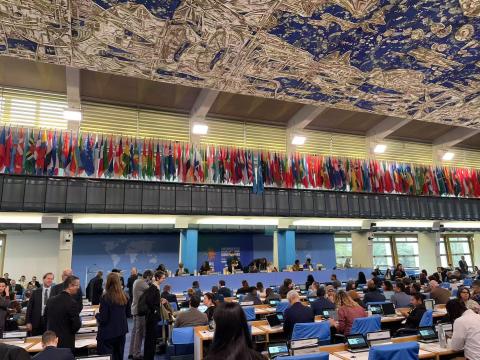
The 16th meeting of the United Nations Conference on Biodiversity (COP16) in Rome has concluded with an agreement to adopt the first global plan for financing nature conservation, after three days of meetings. This meeting meant resuming the negotiations that began last October in Cali (Colombia), where the parties failed to reach an agreement on how to finance the Kunming-Montreal Global Biodiversity Framework reached at COP15, which aims to protect a third of the land and oceans by 2030.

One study suggests that conservation efforts are concentrated around a small number of charismatic species, such as elephants. However, there are undervalued species, such as fungi, plants and invertebrates, that are critical to the functioning of ecosystems. The research, published in the journal PNAS, analysed more than 14,000 conservation projects spanning a 25-year period - from 1992 to 2016. Of the nearly $2 billion allocated by the projects, 83% went to vertebrates. Plants and invertebrates each received 6.6% of the funding, while fungi and algae received less than 0.2%.

According to a new study published in Science, a machine learning-based artificial intelligence (AI) system - called Mal-ID - can decipher an individual's history of infections and diseases in the immune system. The authors say this provides a powerful tool with the potential to accurately diagnose autoimmune disorders, viral infections and vaccine responses.

‘Bacterial signatures’ from genital areas could serve as a forensic tool to identify perpetrators of sexual assault, even if there is no trace of sperm, according to a study published in the journal iScience, by the Cell group. After sequencing the DNA of bacteria from genital samples from 12 stable couples, the authors show that a transfer of bacterial species occurs during intercourse, allowing the identification of each person’s own genital microbiome or ‘sexome’.

A meta-analysis that brings together data from 628 species of animals, plants and other organisms in terrestrial and marine ecosystems over the last three decades shows that most are losing genetic diversity, especially mammals and birds. ‘The threats affected two thirds of the populations we analysed and less than half are subject to conservation management measures,’ say the authors of the research, published in Nature.

An artificial intelligence (AI) model led by the company Meta is capable of translating speech and text, including direct speech-to-speech translations, from up to 101 languages in some cases. According to the research team, this model - called SEAMLESSM4T - can pave the way for fast universal translations ‘with resources to be made publicly available for non-commercial use’. The work is published in the journal Nature.
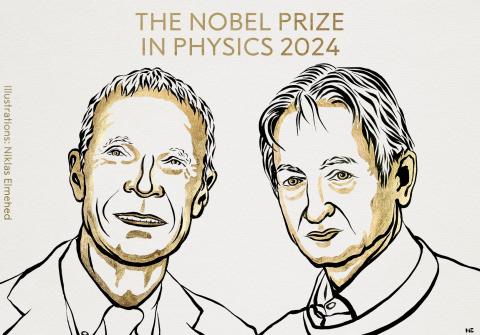
The Royal Swedish Academy of Sciences has awarded the Nobel Prize in Physics 2024 to researchers John J. Hopfield and Geoffrey E. Hinton for discovering the foundations that enable machine learning with artificial neural networks. Hinton for discovering the foundational basis that enables machine learning with artificial neural networks. This technology, inspired by the structure of the brain, is behind what we now call ‘artificial intelligence’.

A brain study of 23 people with treatment-resistant depression while they listen to classical music has identified the antidepressant mechanisms of this music. Using intracranial recordings and electroencephalogrammes, the researchers concluded that listening to classical music synchronises neuronal oscillations between the auditory cortex - responsible for processing sensory information - and the reward circuit - responsible for processing emotional information. "The improvement of depressive symptoms was not linked to the emotion of the music itself but was correlated with the patient’s level of music enjoyment," says the study published in Cell Reports.
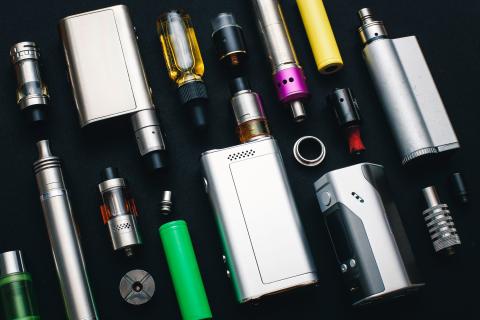
E-cigarettes, vapes, pods, mods... The popularity of these devices continues to grow, especially among young people. According to a Spanish survey, more than half of the adolescents aged 14 to 18 have used them at some point. Vaping control varies from country to country: in Spain, vaping products have been regulated since 2017 and the new anti-smoking plan aims to equate their legislation to that of tobacco, while the United States imposes fewer restrictions. In this brief guide, we explain what is known and not known on controversial issues such as the safety of electronic cigarettes, their risks or whether they are useful to quit tobacco.
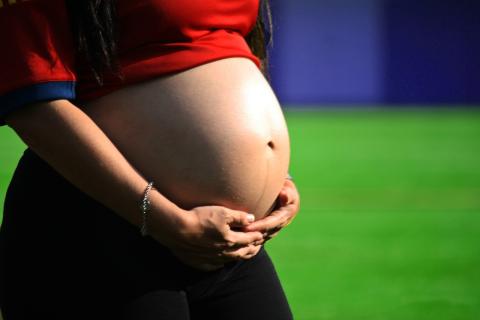
A study conducted in Spain and five other European countries shows that exposure to mixtures of endocrine disruptors during pregnancy is associated with metabolic health problems in children. The research, published in JAMA Network Open, followed more than 1,100 mother-child pairs between 2003 and 2016 and found a correlation between measures of metabolic dysfunction in children aged 6-11 years, and their prenatal exposure to chemicals such as metals or organochlorine pesticides, among others. According to the authors, these results could be related to the current increase in metabolic syndrome across the lifespan, which results in an increased risk of cardiovascular disease and type 2 diabetes.