vaccines

vaccines

vaccines

Of mice and men: what you need to know when a treatment is reported to have been successful in laboratory animals

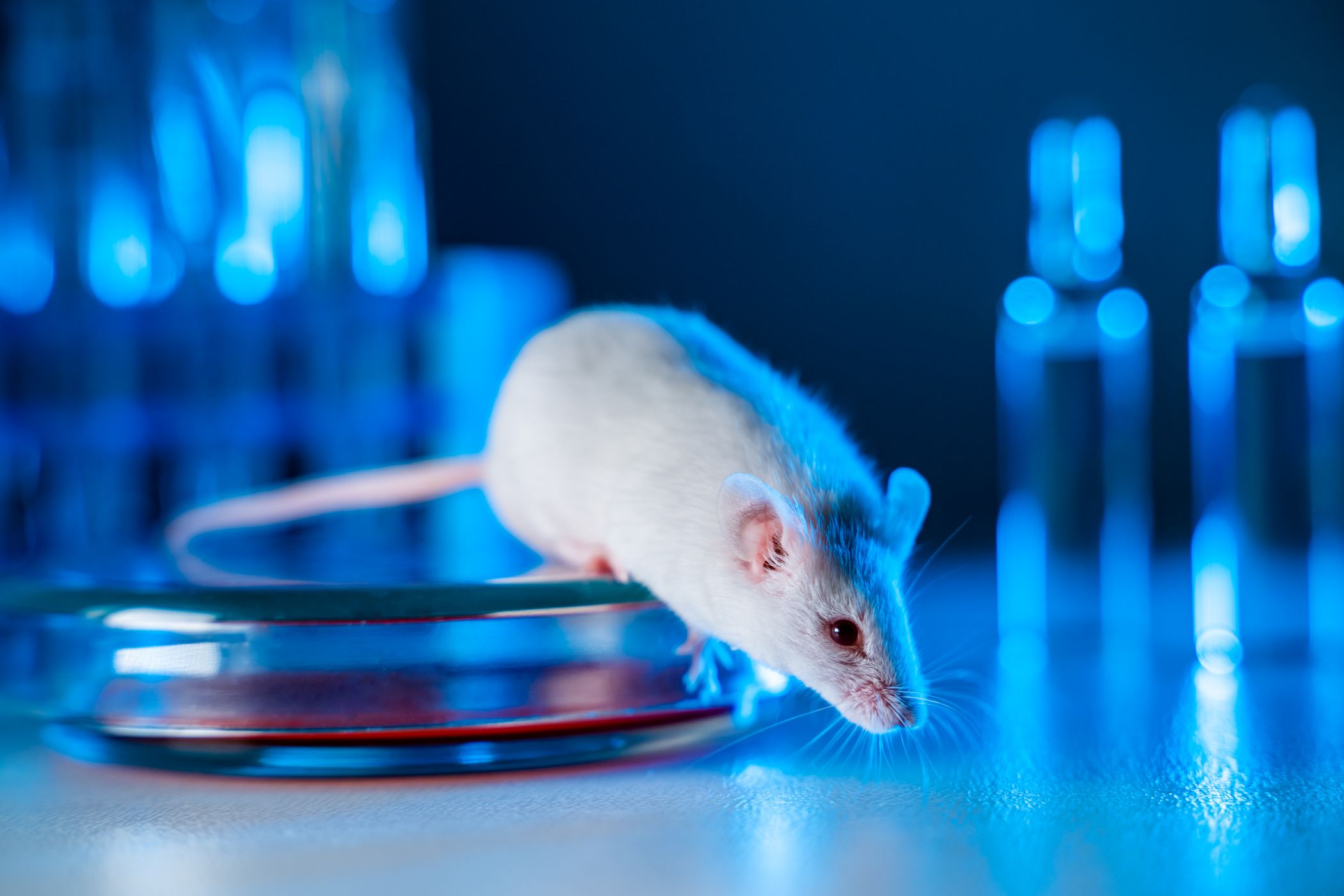
We often see headlines claiming that new research has found a ‘cure’ for diseases. However, what are the real chances of this being true? How does the current stage of the research affect its ultimate outcome? Has it already been tested on humans, or only on laboratory animals? In this article, we explain why animals are used in biomedicine, the reasons why mice are the most commonly used, the steps and timeframes involved from when a treatment appears effective until it can be determined whether it works in people, the characteristics and limitations of various disease models, and how results should be communicated to inform the public without raising false hopes.

0

A personalised cancer vaccine improves the effectiveness of melanoma treatment, according to a phase 2 trial

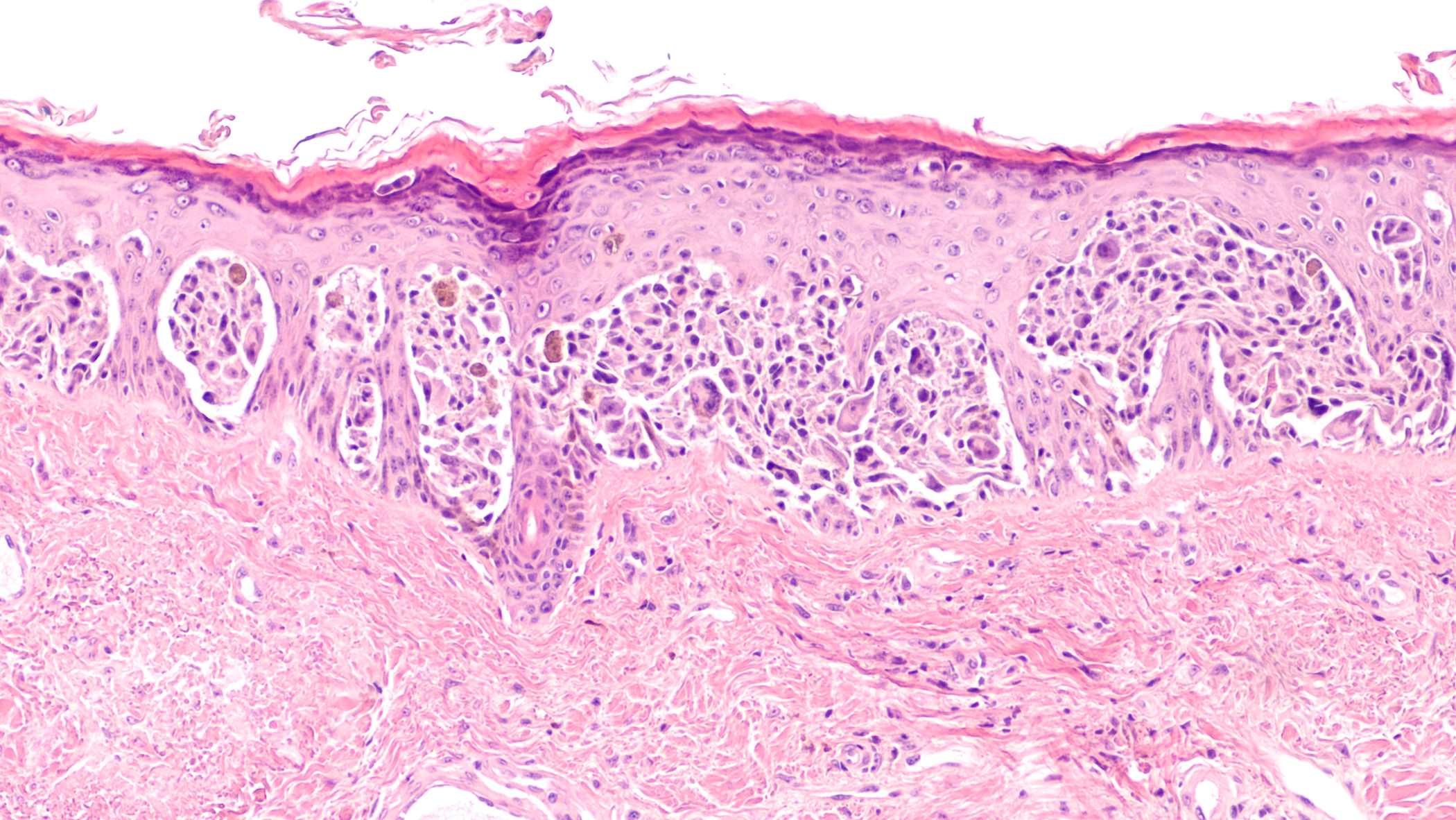
An international team has published the five-year follow-up results of a phase 2b clinical trial testing a personalised cancer vaccine in combination with standard immunotherapy treatment for melanoma. After this period, the probability of cancer recurrence was around 50% lower in the group of patients who received the vaccine. Furthermore, the probability of metastasis was almost 60% lower. The results are being presented at the ASCO (American Society of Clinical Oncology) conference and published in the Journal of Clinical Oncology.

0

Livestock vaccination worldwide may be insufficient for diseases such as rabies or contagious nodular dermatosis

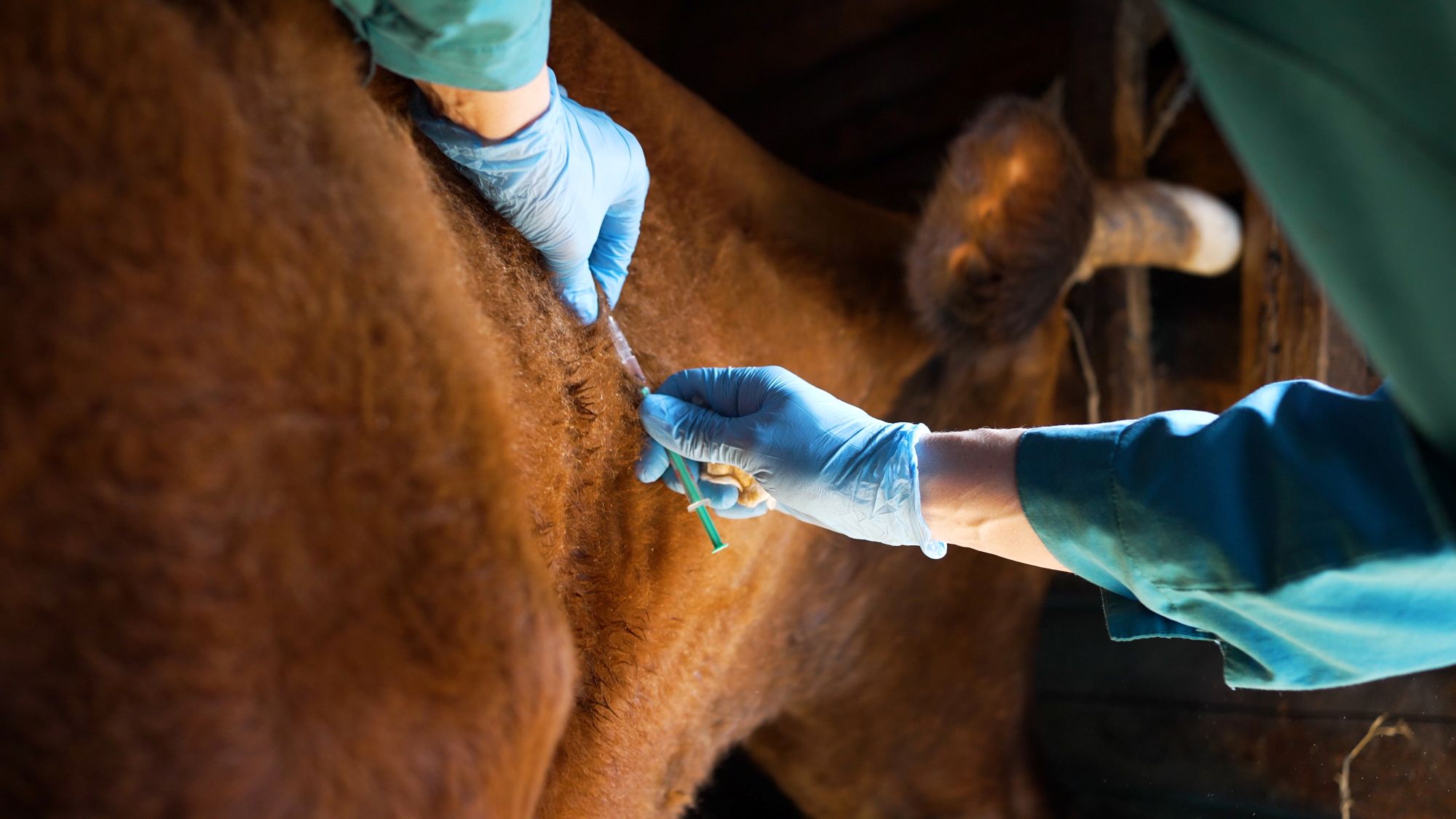
An international team has estimated global vaccination coverage and the incidence of 104 diseases transmitted by cattle, poultry and pigs in 203 countries and territories over the last two decades. Their conclusions are that current vaccination coverage of global livestock populations may be insufficient to prevent various diseases, such as anthrax, rabies and contagious nodular dermatosis, of which 17 outbreaks have been recorded in Spain. The results are published in PNAS.


0

Measles cases are on the rise worldwide and are now higher than before the pandemic

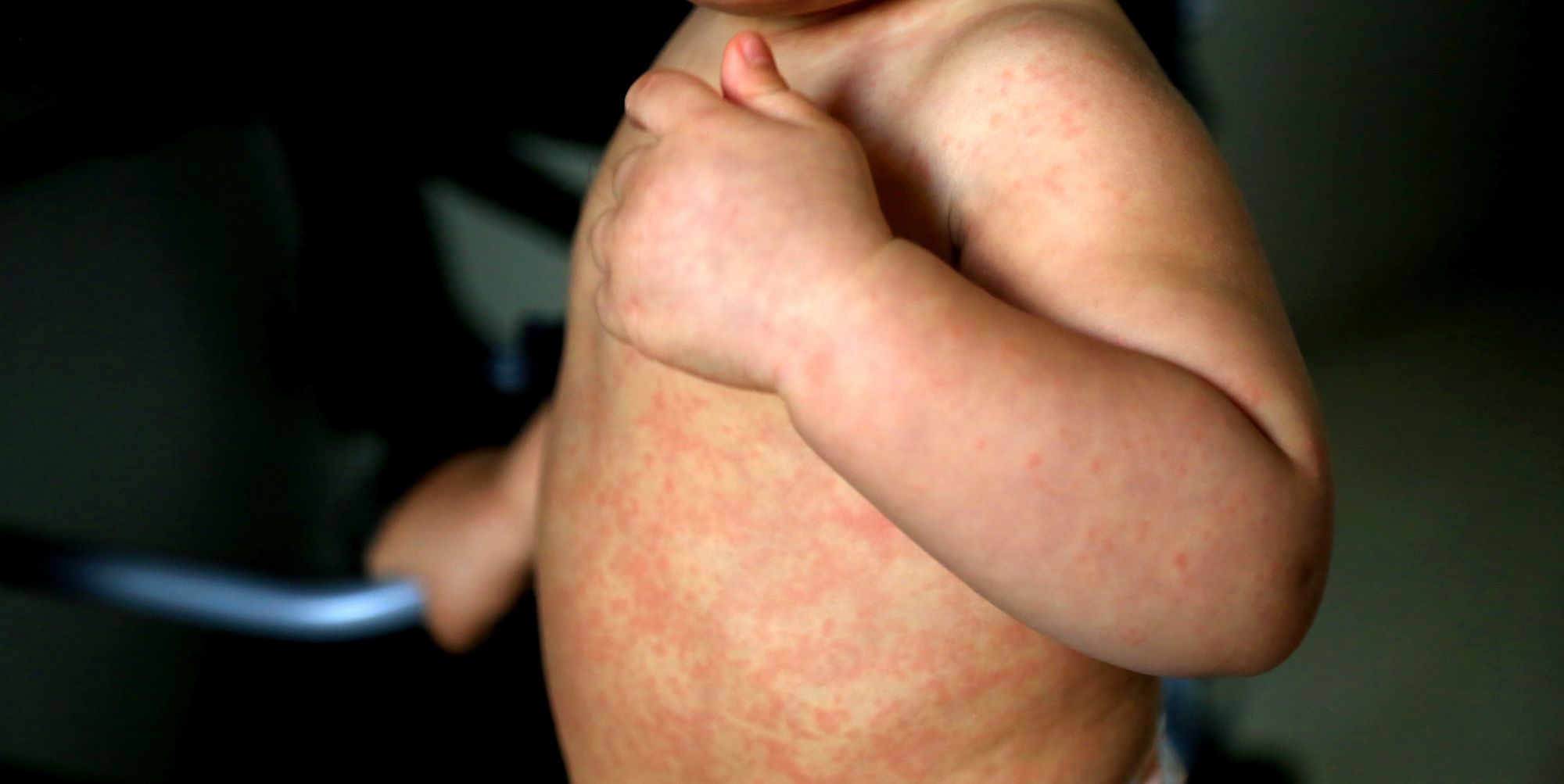
Global vaccination efforts have achieved an 88% reduction in measles deaths between 2000 and 2024, and nearly 59 million lives have been saved by the vaccine since the beginning of the century, according to a new report from the World Health Organization (WHO). However, an estimated 95,000 people—mostly children under the age of five—died from measles in 2024, a disease that could be prevented with an effective, low-cost vaccine. Although the death toll is one of the lowest in this period, measles cases are on the rise worldwide, with an estimated 11 million infections in 2024, nearly 800,000 more than pre-pandemic levels in 2019. Specifically, cases in Europe increased by 47% between 2019 and 2024.

0

Vaccination against human papillomavirus prevents cervical cancer, according to data from more than 130 million people

Two meta-analyses conducted by the Cochrane Collaboration confirm that vaccination against human papillomavirus (HPV) prevents cervical cancer. Both articles bring together the results of 60 clinical trials and 225 studies involving more than 130 million people worldwide. According to Cochrane's press release, the result “is strong and consistent evidence” that vaccines against this virus are effective in preventing cervical cancer and precancerous changes, especially when given to young people before they are exposed to the virus. The reviews also confirm that HPV vaccines usually cause only mild and temporary side effects, such as pain in the arm. 

0

A phase 3 clinical trial has tested a new RNA vaccine against influenza

A clinical trial funded by Pfizer has tested a new influenza vaccine based on messenger RNA (mRNA). The phase 3 trial included more than 18,000 people aged 18 to 64, half of whom received the new compound and the other half a conventional vaccine. The results indicate that the mRNA vaccine was more effective, but it also caused more adverse reactions: for example, 5.6% of the volunteers who received it developed a fever, compared to 1.7% of those who received the conventional vaccine. The study is published in the journal NEJM. 

0

The risk of myocarditis in children vaccinated against COVID-19 between in the United Kingdom was much lower than in those infected

The Pfizer-BioNTech COVID-19 vaccine has been linked to rare cases of heart inflammation in children and young people. The largest study of these risks in children, published in The Lancet Child & Adolescent Health, concluded that receiving the vaccine is associated with a risk of developing myocarditis or pericarditis within six months of 0.85 additional cases per 100,000 vaccinated children; while after COVID-19 infection, the risk is 2.24 additional cases per 100,000. The study used data from 98% of the British population under the age of 18 (almost 14 million) between January 2020 and December 2022.


0

Global childhood vaccination coverage increased slightly in 2024, but pre-pandemic levels were not restored

Childhood vaccination rates have increased modestly worldwide in 2024, without reaching their pre-COVID-19 pandemic levels, according to data from the WHO and UNICEF. For example, global measles vaccination coverage rose by one percentage point from the previous year, reaching 84% of girls and boys who had received one dose in 2024, compared to 86% in 2019.

0