vaccines

vaccines

vaccines

Reaction to study looking at thrombus risk after vaccination with AstraZeneca and Janssen

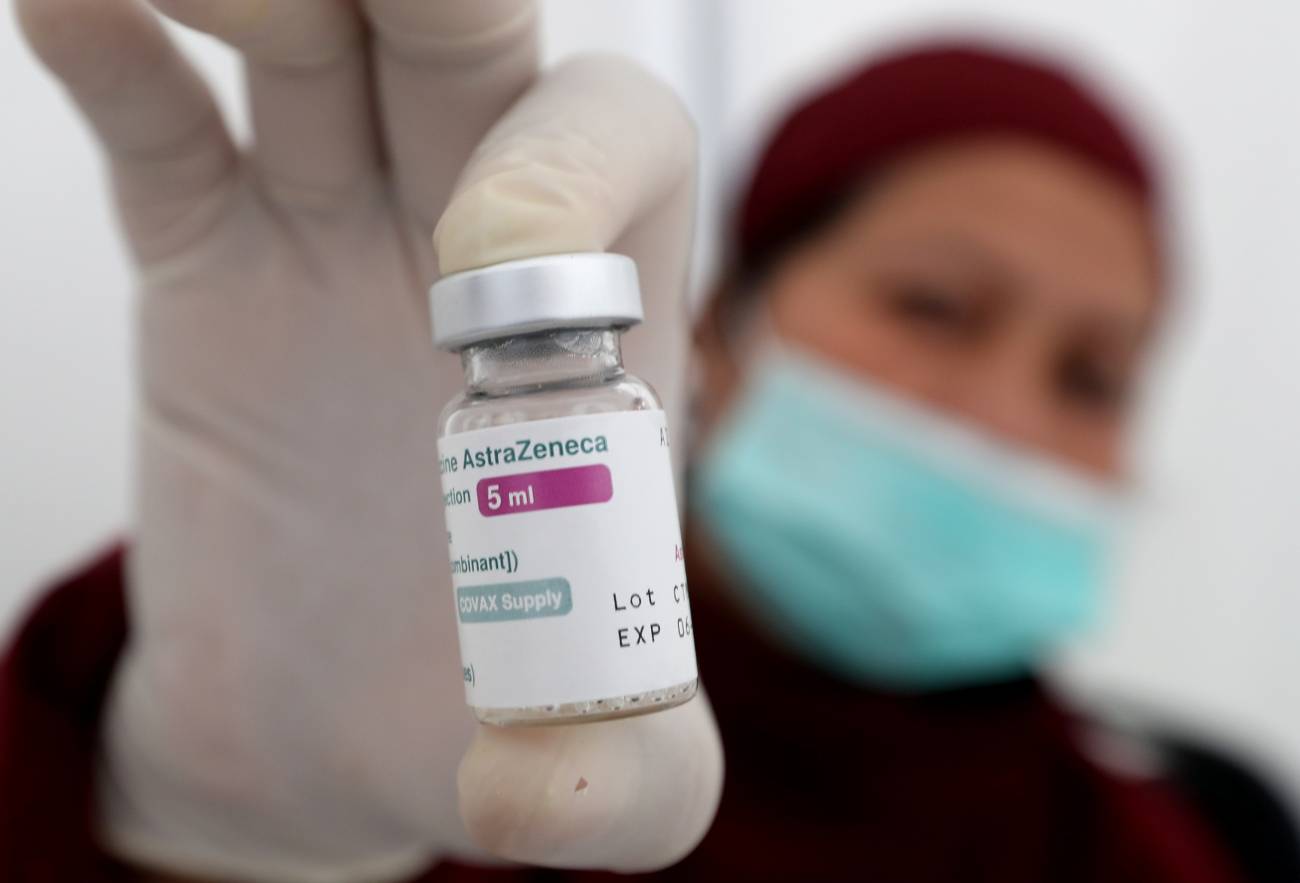
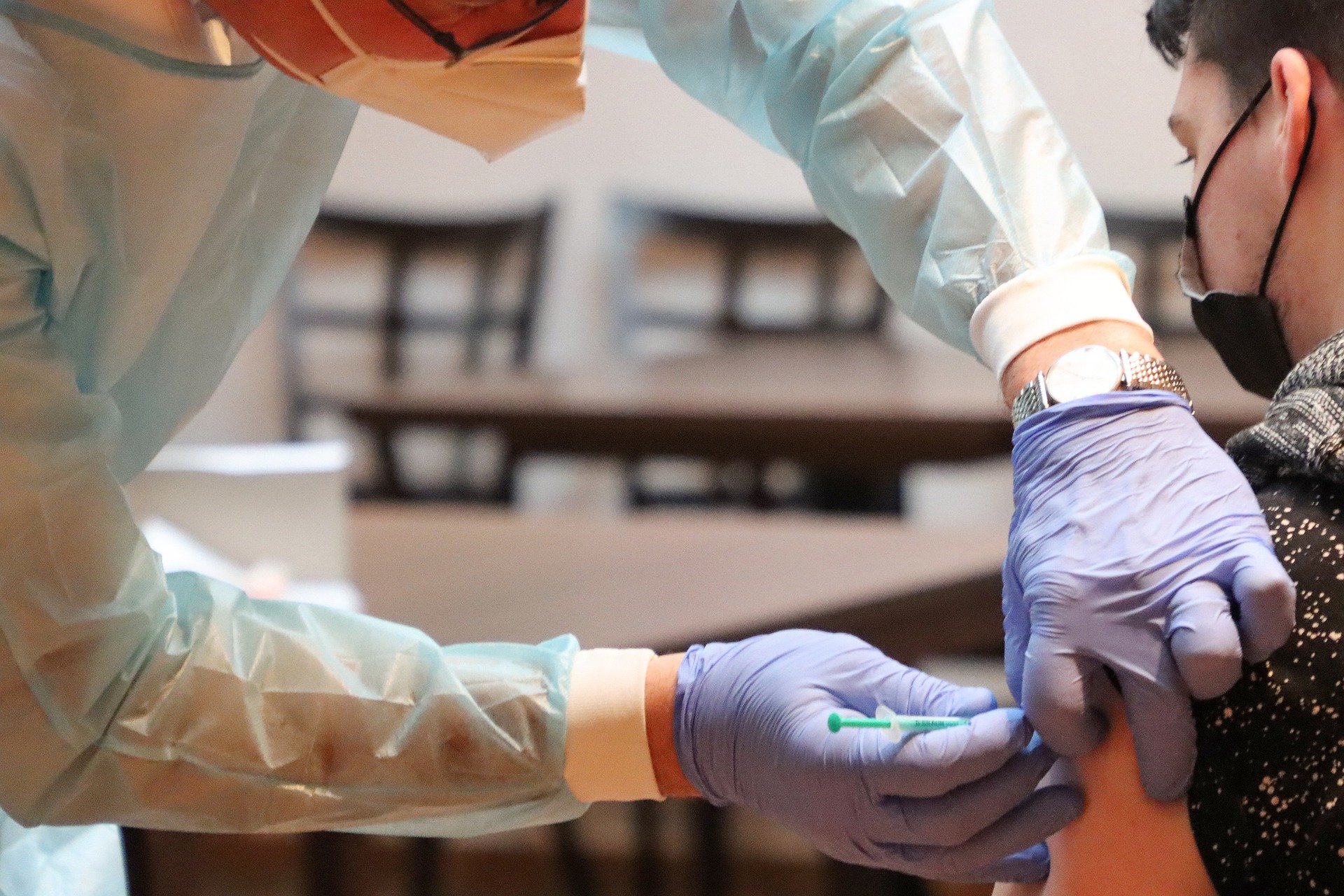
A study published in the BMJ looks at the risk of thromboembolic events associated with different covid-19 vaccines, both adenovirus- and mRNA-based. Its results are based on data collected from more than 10 million adults in France, Germany, the Netherlands, Spain, the UK and the US who received at least one dose of a covid-19 vaccine from December 2020 to mid-2021.

0

Reactions: EMA gives green light to new dengue vaccine

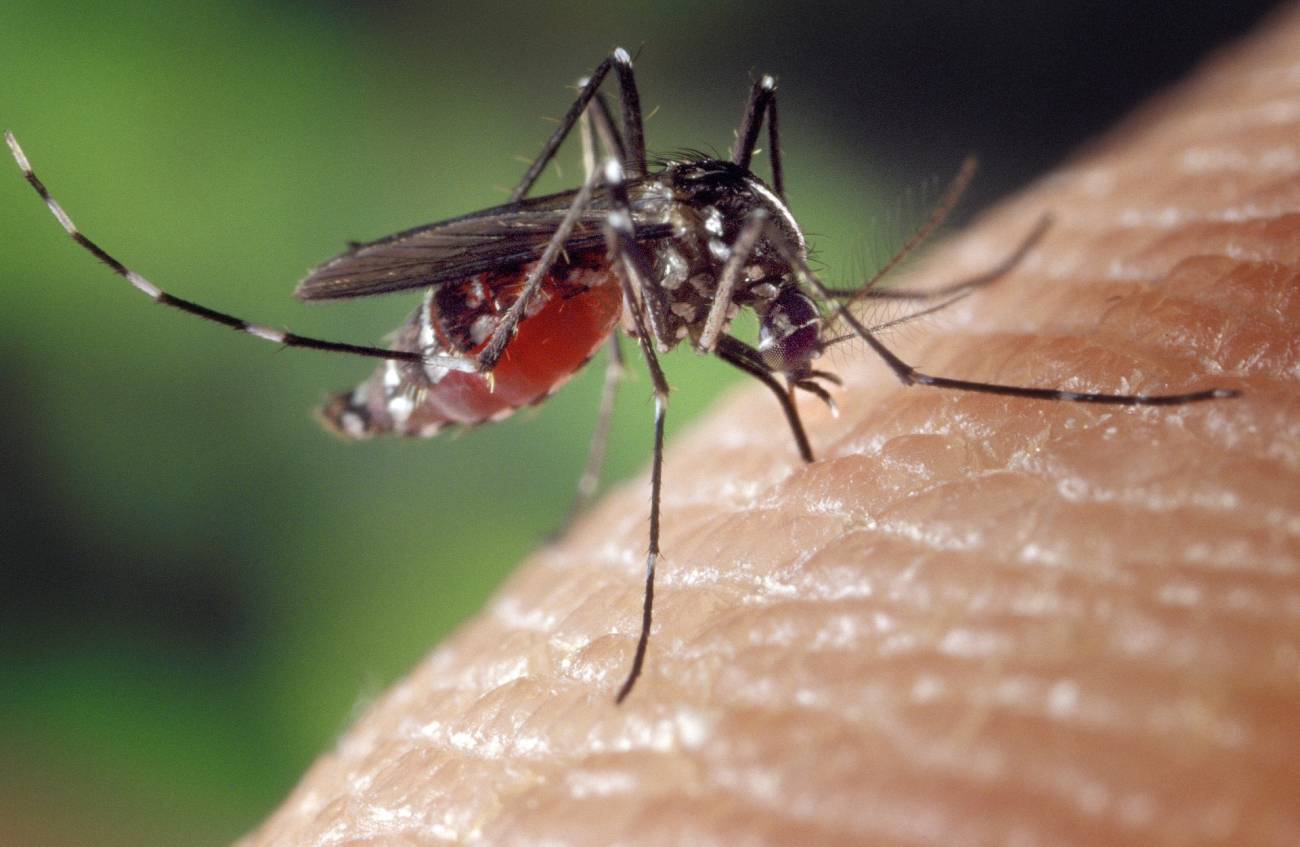
The Committee for Medicinal Products for Human Use (CHMP) of the European Medicines Agency (EMA) has recommended granting marketing authorisation for the tetravalent dengue vaccine (live, attenuated) Takeda. The vaccine is intended to prevent disease caused by dengue virus serotypes 1, 2, 3 and 4 in people aged four years and older. Although an approved vaccine already exists, according to the EMA, this quadrivalent vaccine shows increased protection in children and people over 45 years of age.

0

Why the United States and Europe have approved different vaccines against Omicron

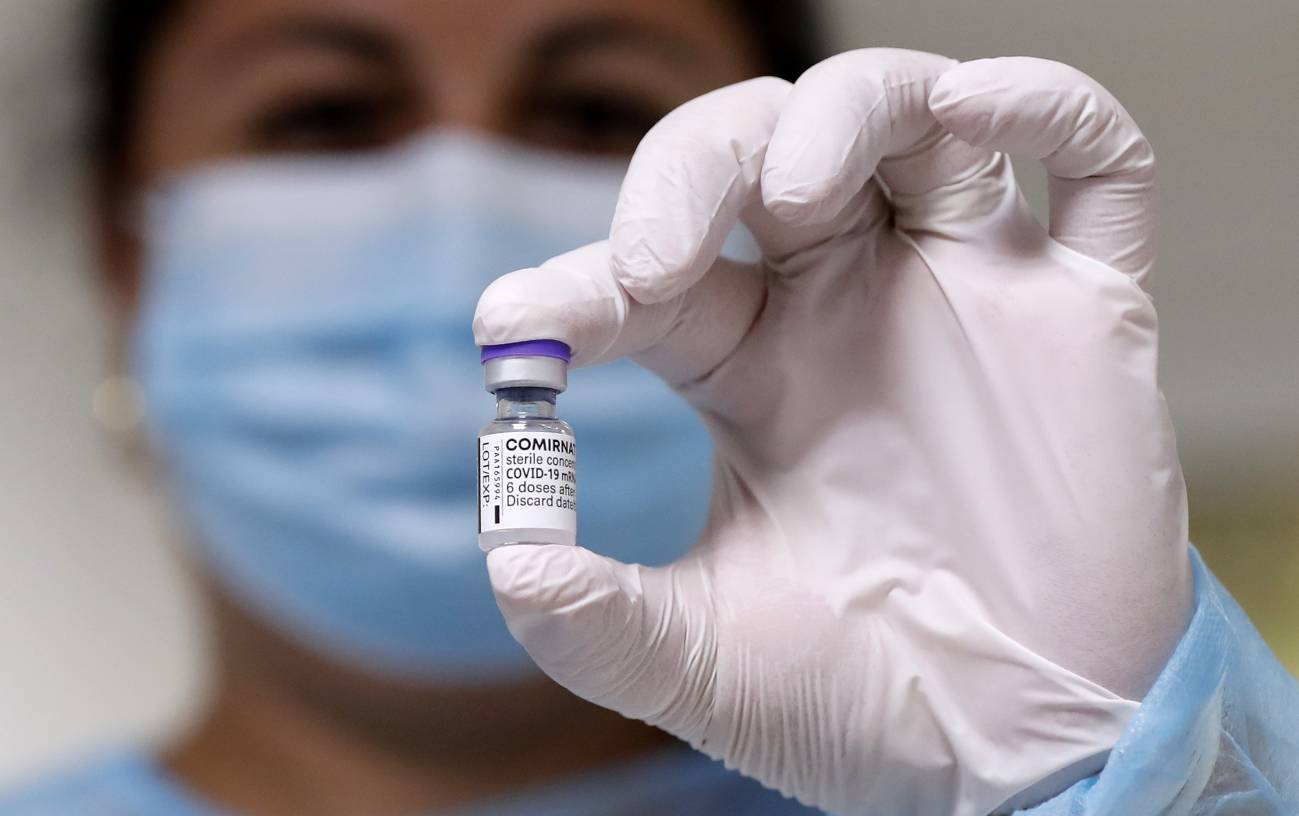
Regulatory agencies in the US and Europe - the FDA and the EMA - have licensed vaccination against Omicron focusing on different variants and sub-variants. Different procedures and studies in humans and animals have informed the agencies' decisions. Experts hope that these new doses will provide sufficient protection this autumn and winter to mitigate the impact of the next wave.

0

Reactions to study claiming three doses of covid-19 vaccines protect better than two

To estimate the effectiveness of two or three doses of vaccines against covid-19 infection and hospitalisation, researchers in Denmark conducted a study of all previously uninfected Danish residents aged 12 years and older. The conclusion of the research, which is published in PLOS Medicine, is that a third dose provided greater protection against infection and hospitalisation with omicron than two vaccines.

Reaction to study examining effectiveness of papillomavirus vaccine in the United States

In the United States, the human papillomavirus vaccine began to be recommended in 2006 for girls aged 9-26 years. A study published in the journal JAMA Health Forum concludes that the campaign significantly reduced the risk of HPV infection in vaccinated women. In addition, herd immunity reduced the likelihood of infection in unvaccinated women.