HPV

HPV

HPV

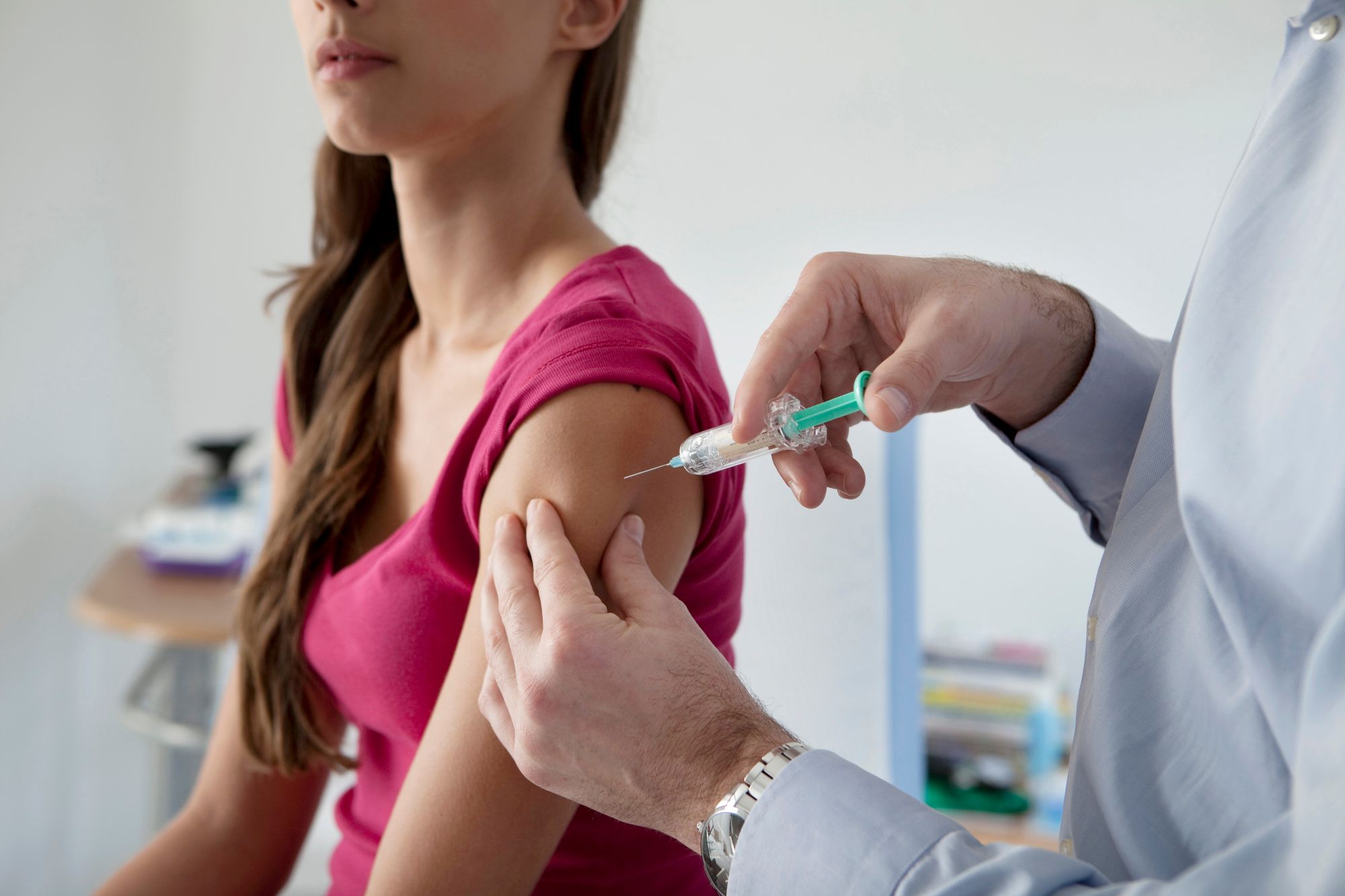
Vaccination against human papillomavirus prevents cervical cancer, according to data from more than 130 million people

Two meta-analyses conducted by the Cochrane Collaboration confirm that vaccination against human papillomavirus (HPV) prevents cervical cancer. Both articles bring together the results of 60 clinical trials and 225 studies involving more than 130 million people worldwide. According to Cochrane's press release, the result “is strong and consistent evidence” that vaccines against this virus are effective in preventing cervical cancer and precancerous changes, especially when given to young people before they are exposed to the virus. The reviews also confirm that HPV vaccines usually cause only mild and temporary side effects, such as pain in the arm. 

0

High-risk Human Papillomavirus (HPV) genotypes linked to reduced male fertility

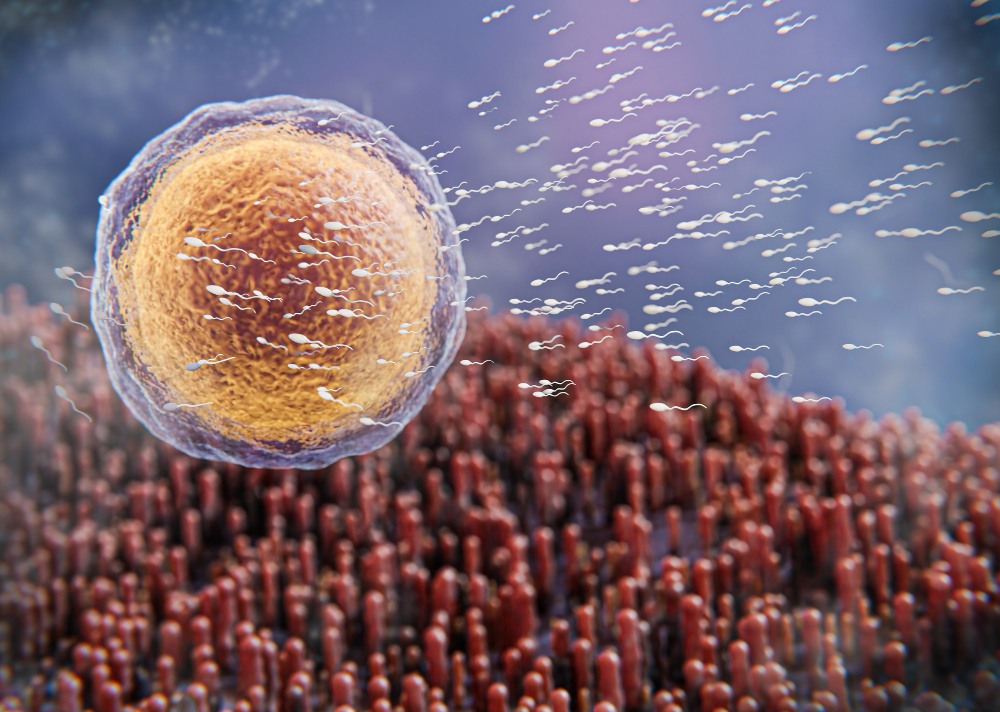
The sperm of men infected with high-risk genotypes of the human papillomavirus (HPV) suffers more damage from oxidative stress and has a weaker immune response, which can lead to reduced fertility. This is one of the conclusions of a study published in the journal Frontiers in Cellular and Infection Microbiology. The research compared the semen of 20 adults infected with high-risk genotypes, seven infected with low-risk genotypes, and 43 adults without infections.

0

Reaction: Human papillomavirus infection increases cardiovascular risk in women

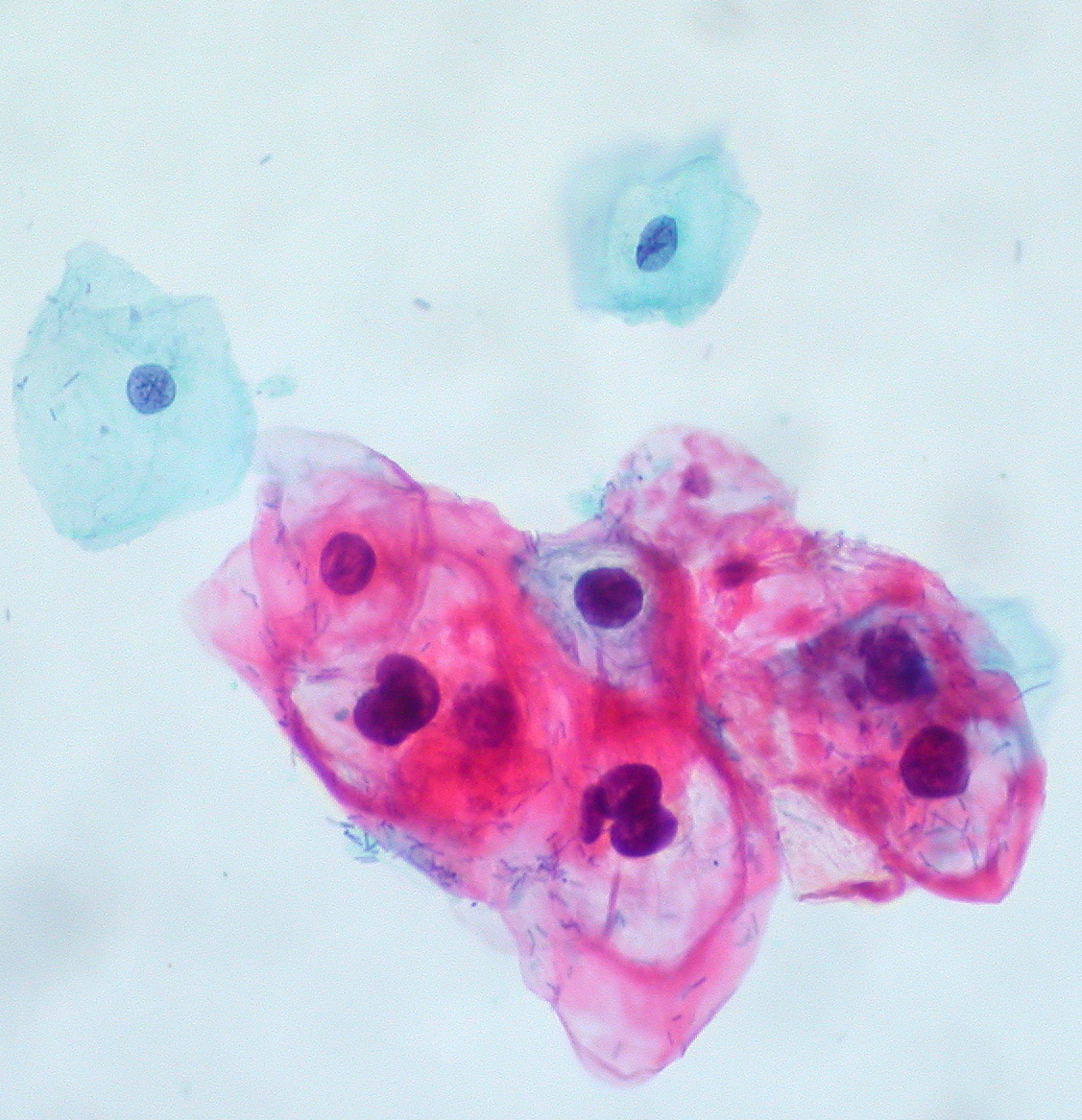
A study in South Korea followed more than 160,000 women for more than eight years and concluded that infection with different strains of human papillomavirus is associated with a fourfold increase in the relative risk of dying from cardiovascular causes. According to the authors, "it could be that the virus causes inflammation in the blood vessels, contributing to blockage and damage to the arteries". The findings are published in the European Heart Journal.

0