public health

public health

public health

Preliminary data show that measles cases in Europe declined in 2025, although they increased in countries such as Spain
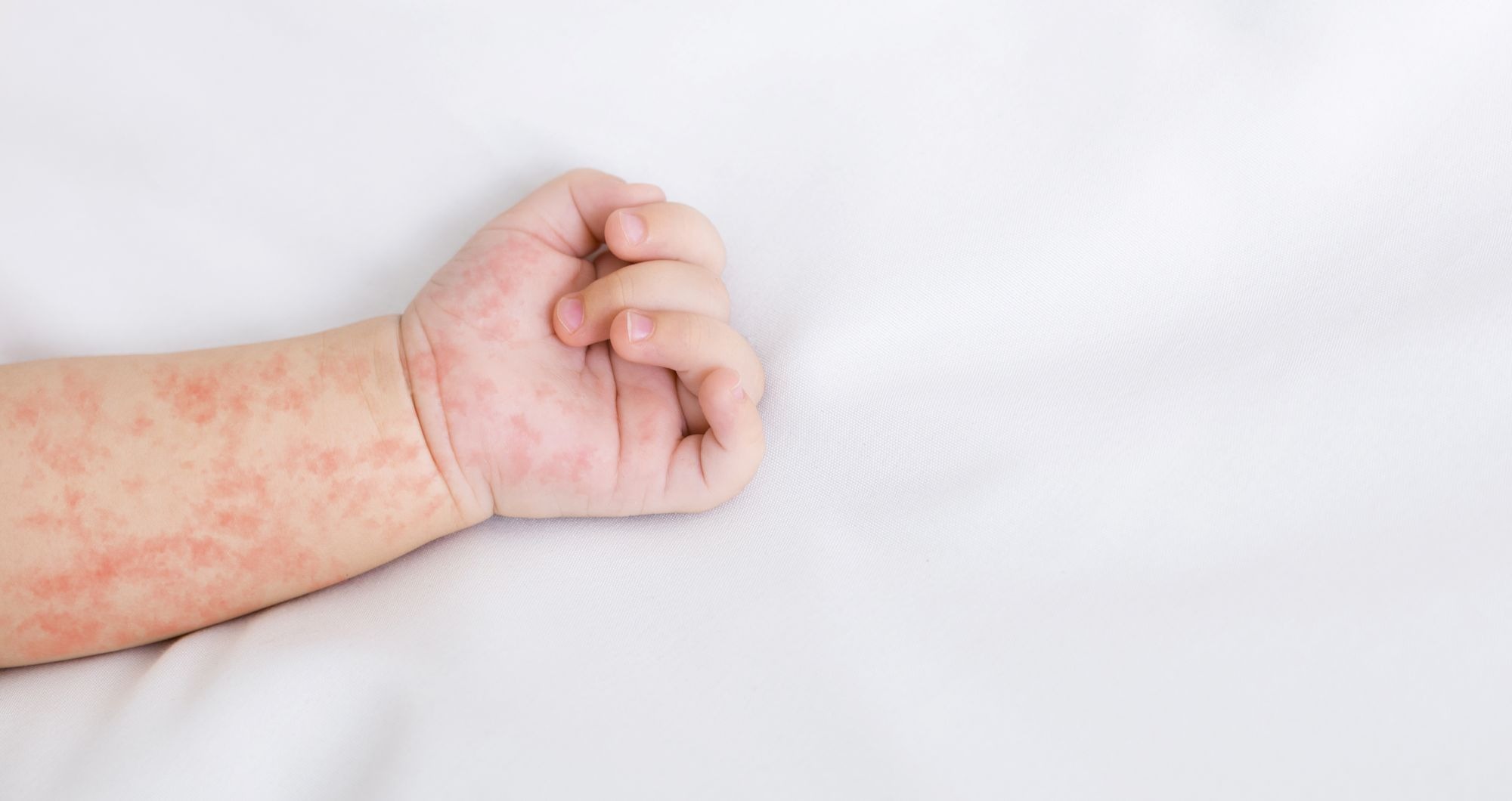
Measles cases in Europe and Central Asia fell in 2025 compared with 2024, according to preliminary data reported by 53 countries in the World Health Organization (WHO) European Region. This decline aligns with the preliminary figures published this week by the European Centre for Disease Prevention and Control (ECDC). According to the WHO, countries in Europe and Central Asia reported 33,998 measles cases in 2025, representing a decrease of nearly 75 % compared with the 127,412 cases recorded in 2024. In Spain, however, the number of cases has increased, as shown by data from the Carlos III Health Institute. A few weeks ago, the WHO announced that Spain had lost its measles-free status.

0

Four out of ten cancer cases due to modifiable factors such as tobacco, according to WHO analysis

In 2022, approximately four out of every 10 new cancer cases worldwide were due to modifiable risk factors, primarily tobacco or alcohol consumption and infections, including those caused by the human papillomavirus or H. pylori bacteria. These are some of the conclusions of a global study led by the World Health Organisation (WHO) and its International Agency for Research on Cancer (IARC), published in Nature Medicine. In Spain, 41.8% of cancer cases in men are attributed to modifiable external factors, compared to 26.1% in women, with smoking remaining the main factor (28.5% and 9.9%, respectively). The analysis is based on data from 185 countries.

0

Small and feasible changes in physical activity are associated with lower mortality risk

Moderate-intensity physical activity, such as walking at an average speed of 5 km/h for an additional five minutes per day, is associated with a 10% reduction in all-cause mortality among most adults, according to a study published in The Lancet. The research also found that reducing sedentary time by 30 minutes per day was associated with an estimated 7% reduction in all-cause mortality if adopted by most adults. The study analyzed data from more than 135,000 adults from Norway, Sweden, the United States, and the United Kingdom, with an average follow-up of eight years.

0

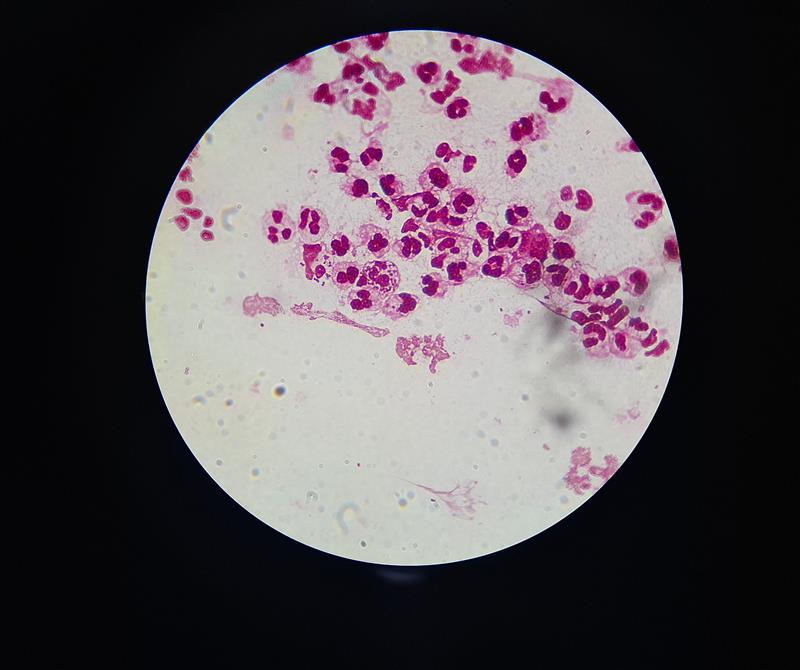
Phase 3 trial shows efficacy of new antibiotic against gonorrhoea

One oral dose of zoliflodacin—a new antibiotic—is as effective as the current treatment for uncomplicated urogenital gonorrhoea, according to the results of a phase 3 clinical trial published in The Lancet. In some parts of the world, the bacteria that cause gonorrhoea have developed resistance to the current treatment, which combines an injection of ceftriaxone and an oral dose of azithromycin. Zoliflodacin could be an alternative to this treatment, concludes the study, which included 900 people from five countries.

0

Almost one in three women has experienced violence from a partner or sexual violence outside of a relationship, according to a WHO report

Around 840 million women worldwide — nearly one in three — have been victims of physical, psychological or sexual violence by their partner or have suffered sexual violence outside of their relationship, a figure that has barely changed since 2000. This is one of the conclusions of a report led by the World Health Organisation (WHO) that analyses data from 168 countries between 2000 and 2023. For the first time, the study includes estimates of sexual violence outside of intimate relationships: 263 million women have suffered this type of assault since the age of 15, a figure that, according to experts, is well below the actual number.

0

A series of articles warns about the threat of ultra-processed foods to public health

Three articles with Spanish participation, published in The Lancet, review the evidence that ultra-processed foods are worsening diet quality and displacing the consumption of fresh and minimally processed foods. Furthermore, they warn that their consumption is linked to a higher risk of multiple chronic diseases. According to the authors, who also review the associated policies and commercial factors, only a coordinated global response can combat the strategy of the companies that market these products.

0

22,000 deaths per year in Spain are attributed to air pollution

Around 5,800 deaths per year in Spain between 2012 and 2021 can be attributed to heat—twice as many as during the 1990s—according to a report published in The Lancet. In addition, of the deaths that occurred during 2022, around 22,000 can be attributed to air pollution, the publication adds. The Countdown report describes the impact of climate change on global health with more than 50 indicators reviewed by scientists. In the period 2020-2024, 61% of Spanish territory experienced at least one month of extreme drought per year; this figure is six times higher than the average for the period 1951-1960.

0

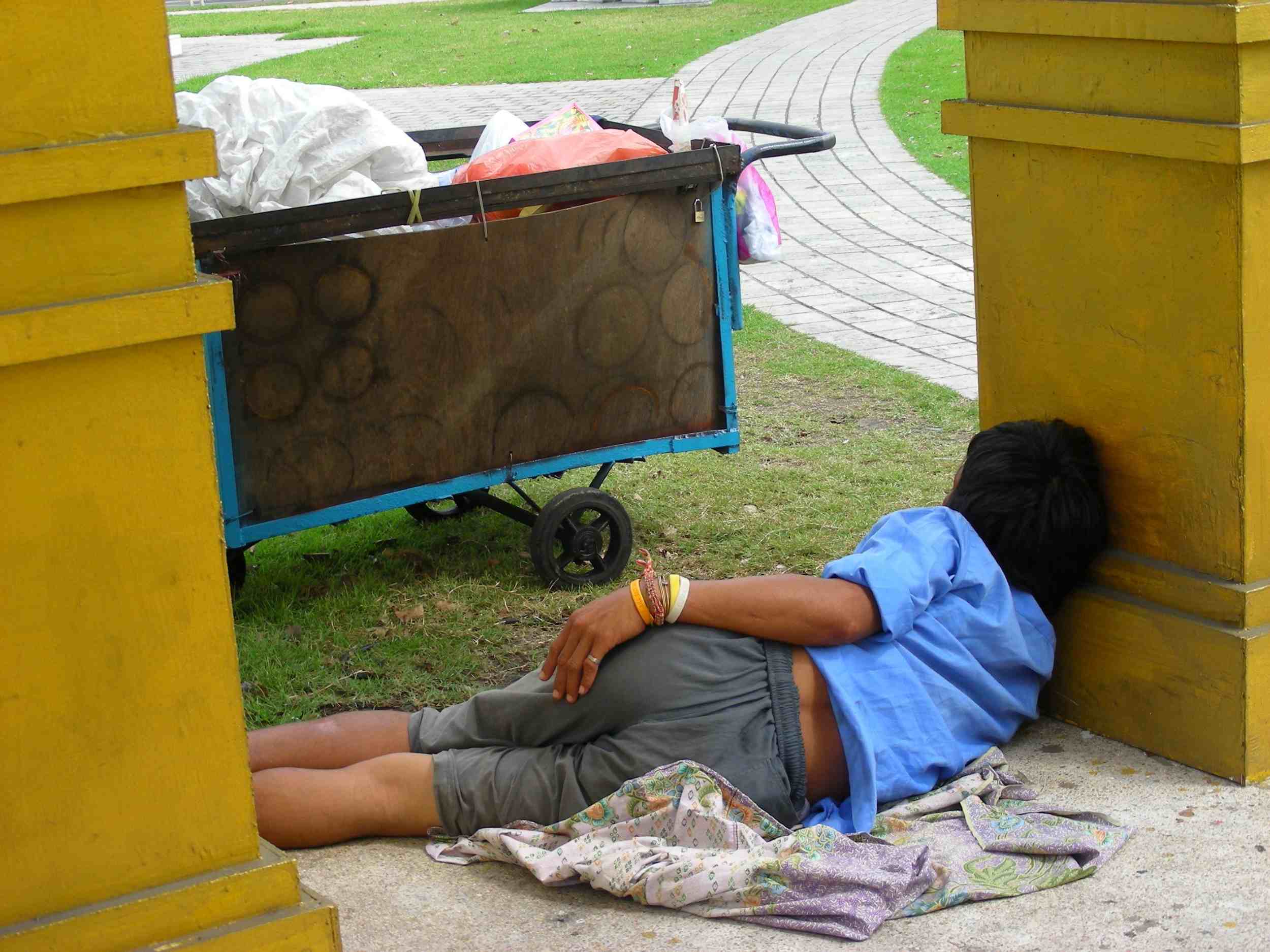
Global mortality rates are declining, but are rising among young people in some regions

According to the Global Burden of Disease study, and despite deep inequalities between countries, global life expectancy in 2023 was more than 20 years higher than in 1950. However, deaths among young people increased in some regions such as North America, Latin America—due mainly to suicide and drug use—and sub-Saharan Africa—mainly due to infectious diseases and injuries. Researchers also estimate that almost half of all deaths and disabilities could be prevented by modifying some of the main risk factors. The results are published in The Lancet and will be presented at the World Health Summit, being held in Berlin, Germany, from October 12 to 14.

0

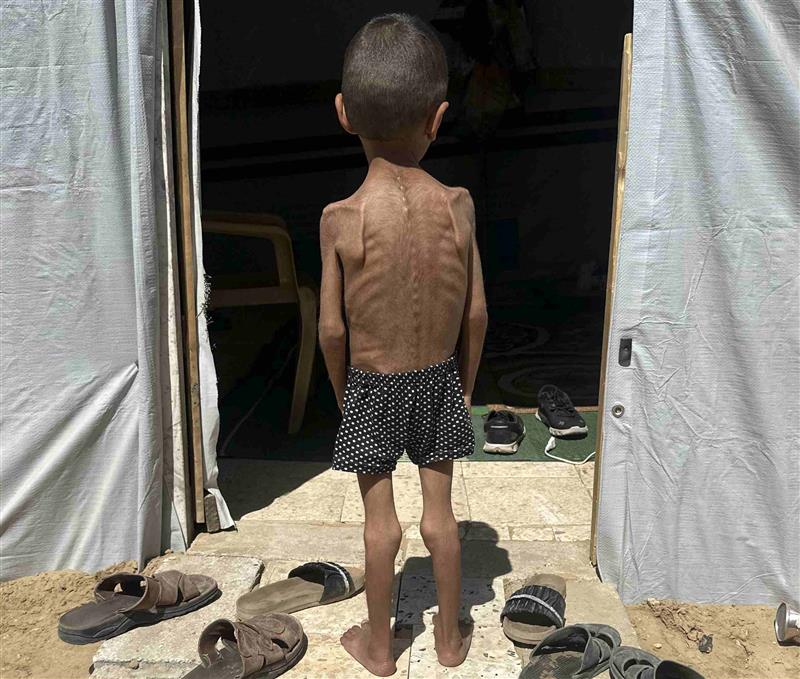
Peaks in child malnutrition in Gaza coincide with periods of aid blockades by Israel

More than 54,600 children under the age of five in Gaza are in need of medical care for acute malnutrition, according to estimates from a study published in The Lancet, which shows that the prevalence of malnutrition decreases during a ceasefire and increases during Israeli blockades of access to food, water, or medicine. For example, after four months of severe aid restrictions—between September 2024 and January 2025—malnutrition increased from 8.8% to 14.3%, with a higher incidence in Rafah and among children between 24 and 59 months of age. The study, conducted by UNRWA, is based on data from more than 219,000 children between the ages of six and 59 months from various locations in the Gaza Strip, collected between January 2024 and August 2025.

0

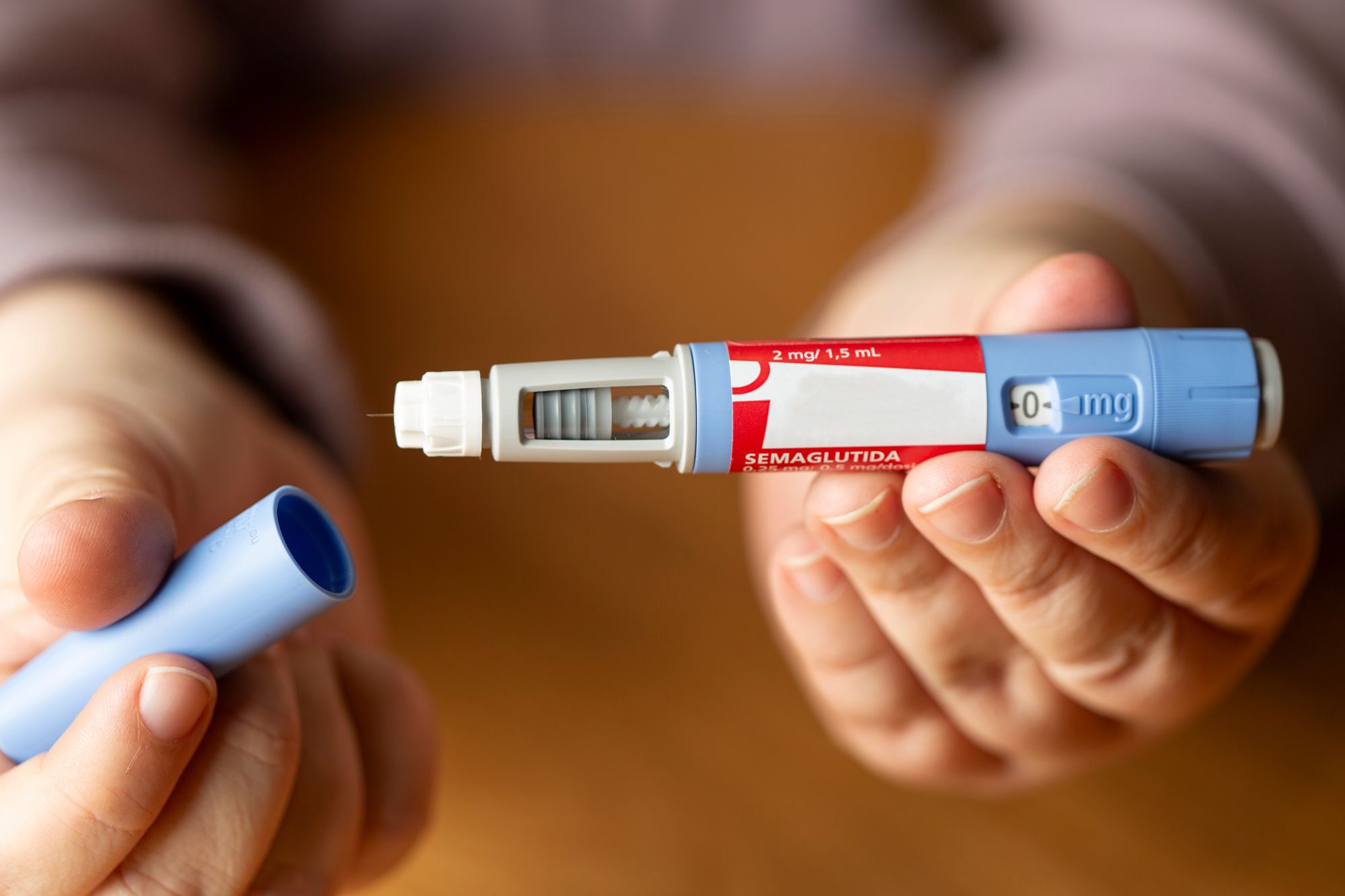
The European Association for the Study of Obesity recommends semaglutide and tirzepatide as first-line treatment for obesity

An article published in Nature Medicine outlines the new framework for pharmacologically treating obesity and its complications established by the European Association for the Study of Obesity (EASO). The new guidelines establish semaglutide and tirzepatide as first-line treatment for this disease and most associated conditions. The team of authors, with Spanish participation, reviewed the scientific evidence on the effects of drugs on total weight loss and its complications and designed an algorithm to help medical personnel guide treatment, taking into account each patient's medical history and the action profiles of available medications.

0