public health

public health

public health

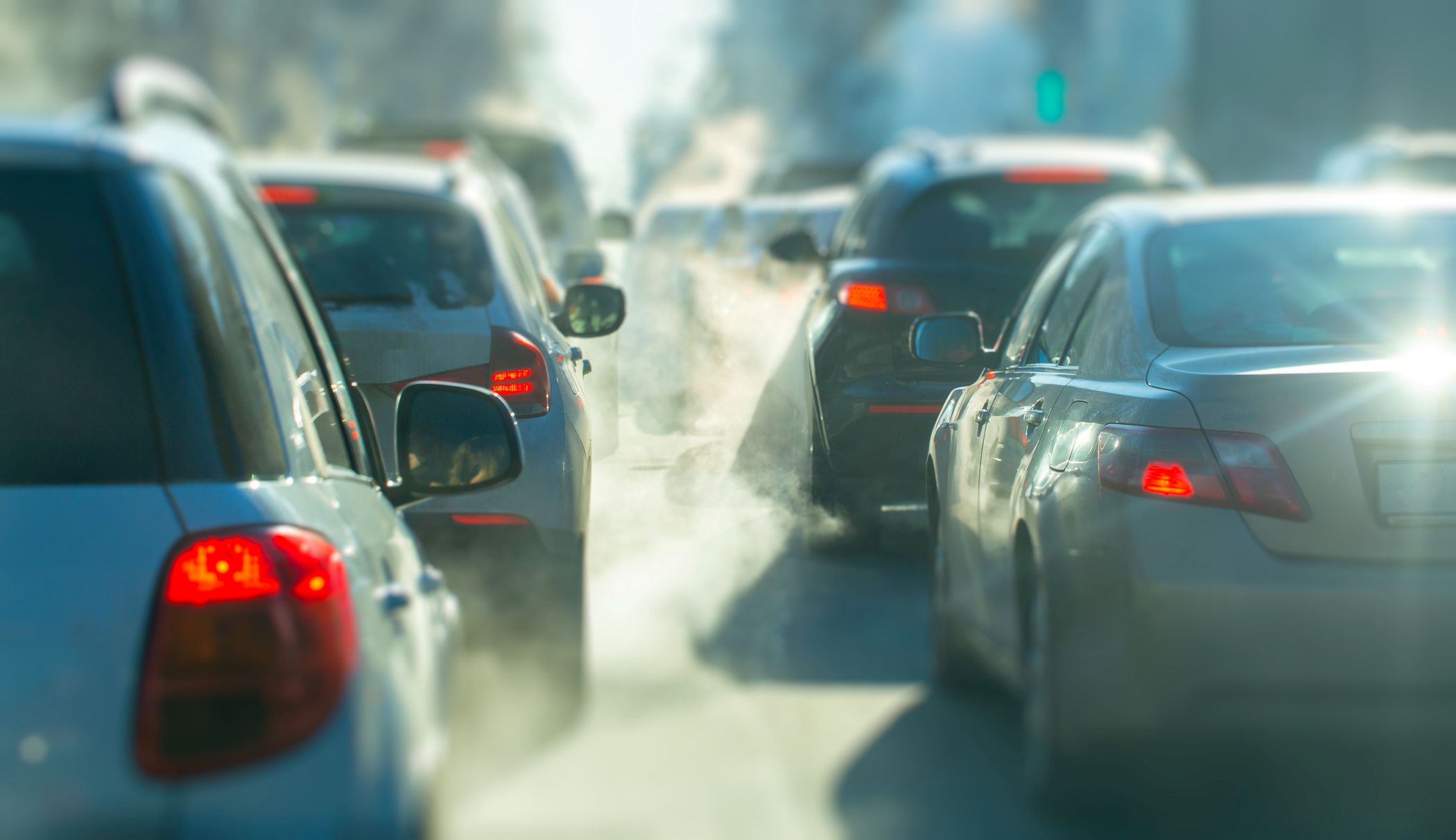
Pollution and going back to school: how air quality affects children's health

A new school year has begun, and pollution, which exceeds recommended limits in many urban centres, will once again affect children and their families. What consequences could this have on health? How does climate change affect it? What solutions can be implemented? SMC Spain organised an informative session with Julio Díaz and Cristina Linares to answer these questions.


0

Deaths due to wildfires could double in Europe by the end of the century

Premature deaths due to smoke pollution from wildfires will multiply to reach nearly 1.5 million deaths per year by the end of the century, according to a study published in Nature. The authors estimate that the increase will be much greater in Africa (11 times more deaths in 2095-2099 than in 2010-2014) than in Europe and the US (up to twice as many). Another study published in the same journal estimates that, under a high CO2 emissions scenario, there will be more than 70,000 additional deaths per year from fires in the United States by 2050.

0

An AI model is capable of predicting the risk of a thousand diseases

An artificial intelligence (AI) tool can predict the probability of more than 1,000 diseases based on a person's medical history, with greater accuracy than existing technologies, which focus on fewer pathologies, according to the authors in Nature. This model, called Delphi-2M, is also capable of simulating health trajectories for up to 20 years. The tool was trained with health data from 400,000 people in the United Kingdom and tested using data from nearly two million people in Denmark.

0

Candida auris infections in Spain are the highest in Europe over the last decade, according to an ECDC report

Infections caused by the fungus Candidozyma auris—formerly known as Candida auris—continue to rise, warns a report by the European Centre for Disease Prevention and Control (ECDC). Spain reported 1,807 of the 4,012 cases in 36 European countries between 2013 and 2023, the highest number ahead of Greece (852 cases) and Italy (712), according to the survey. This microorganism spreads particularly in hospitals, causing infections that are often resistant to existing drugs.

0

Programs focused on parents are insufficient to prevent childhood obesity, according to a meta-analysis

An international team has analyzed data from 17 studies in 10 countries involving more than 9,000 participants and concluded that childhood obesity prevention programs focused on mothers and fathers do not appear to have an impact on young children. According to the authors, who published their findings in The Lancet, broader, coordinated, and well-resourced public health actions are needed.


0

Pollution from the 2023 Canadian wildfires linked to nearly 70,000 deaths in North America and Europe

More than 350 million people in North America and Europe may have been affected by fine particulate matter (PM2.5) pollution from the 2023 Canadian wildfires, according to estimates from a study published in Nature. The authors estimate that 5,400 acute deaths in North America and 64,300 chronic deaths in North America and Europe were attributable to exposure to these particles originating from Canadian forest fires.


0

A large-scale study reinforces the link between following an environmentally friendly diet and lower mortality rates

The Planetary Health Diet promotes environmentally sustainable consumption, based, among other things, on increasing vegetable intake and reducing dairy and red meat consumption. Previous studies had found an association with better human health, although there were some conflicting results. Now, a study combining two cohorts of more than 150,000 people and a meta-analysis of 37 studies involving more than three million volunteers reinforces this association, finding that greater adherence to the diet is associated with lower all-cause mortality. The results are published in the journal Science Advances.


0

The declaration of famine in Gaza: what it means and where we stand now

On 22 August, the UN officially declared famine in Gaza, defined as an extreme situation of food insecurity in which there is insufficient access to food to survive, leading to high rates of malnutrition, disease and mortality. The Spanish Society of Epidemiology explains how this situation is technically assessed, as well as the implications of the declaration.

1

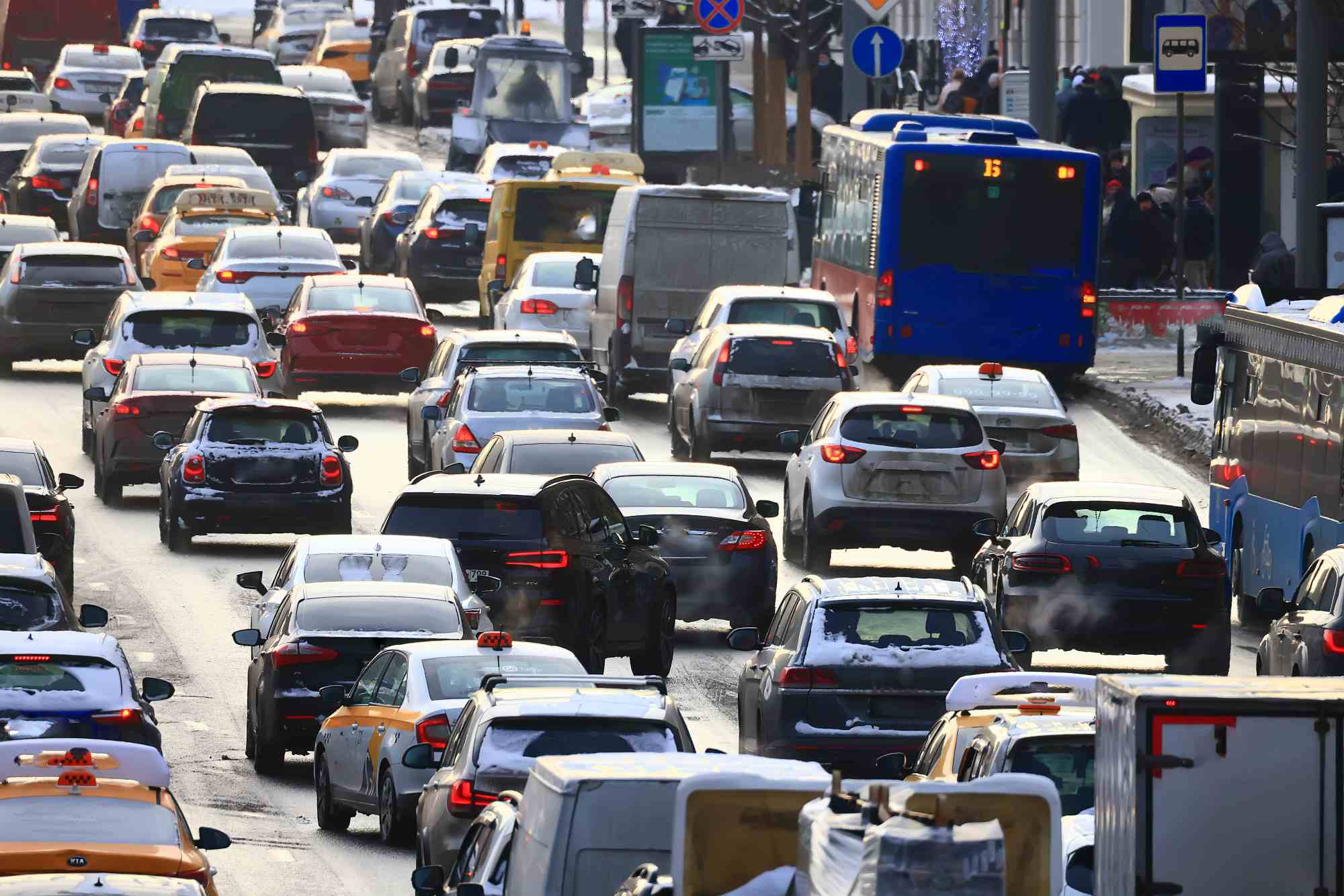
If cities imitated Copenhagen's cycle network, vehicle emissions would fall by 6%

A team from the United States has analysed data on modes of transport in more than 11,500 cities in 121 countries around the world, including Spain, representing 41% of the world's population. In addition to studying the factors that most influence the proportion of journeys made on foot or by bicycle, they estimate that if each city analysed increased the extent of its cycling network to the level of Copenhagen (Denmark), private vehicle emissions would be reduced by 6% and the public health benefits would be equivalent to around £37 billion. The results are published in the journal PNAS.

0