animal health

animal health

animal health

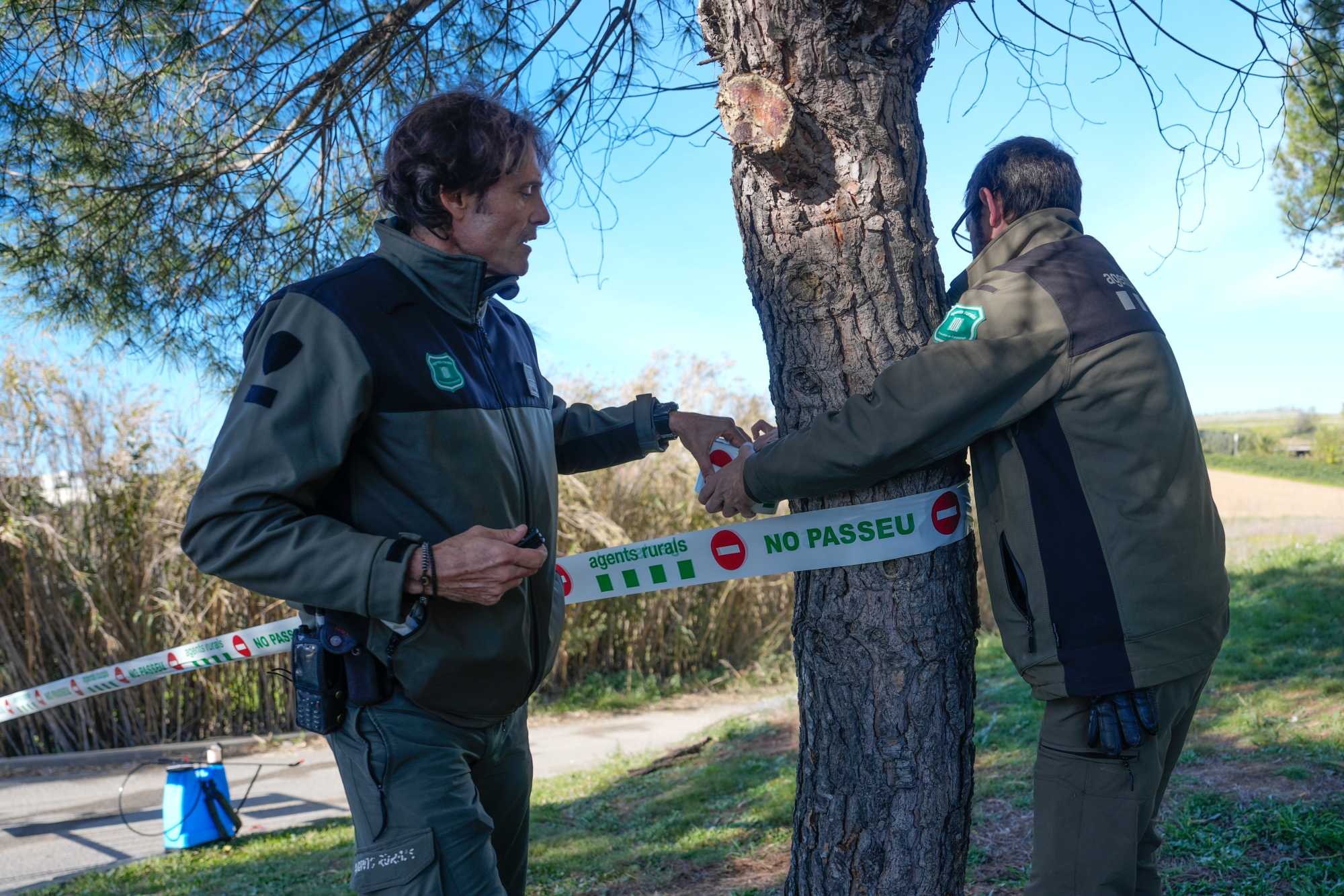
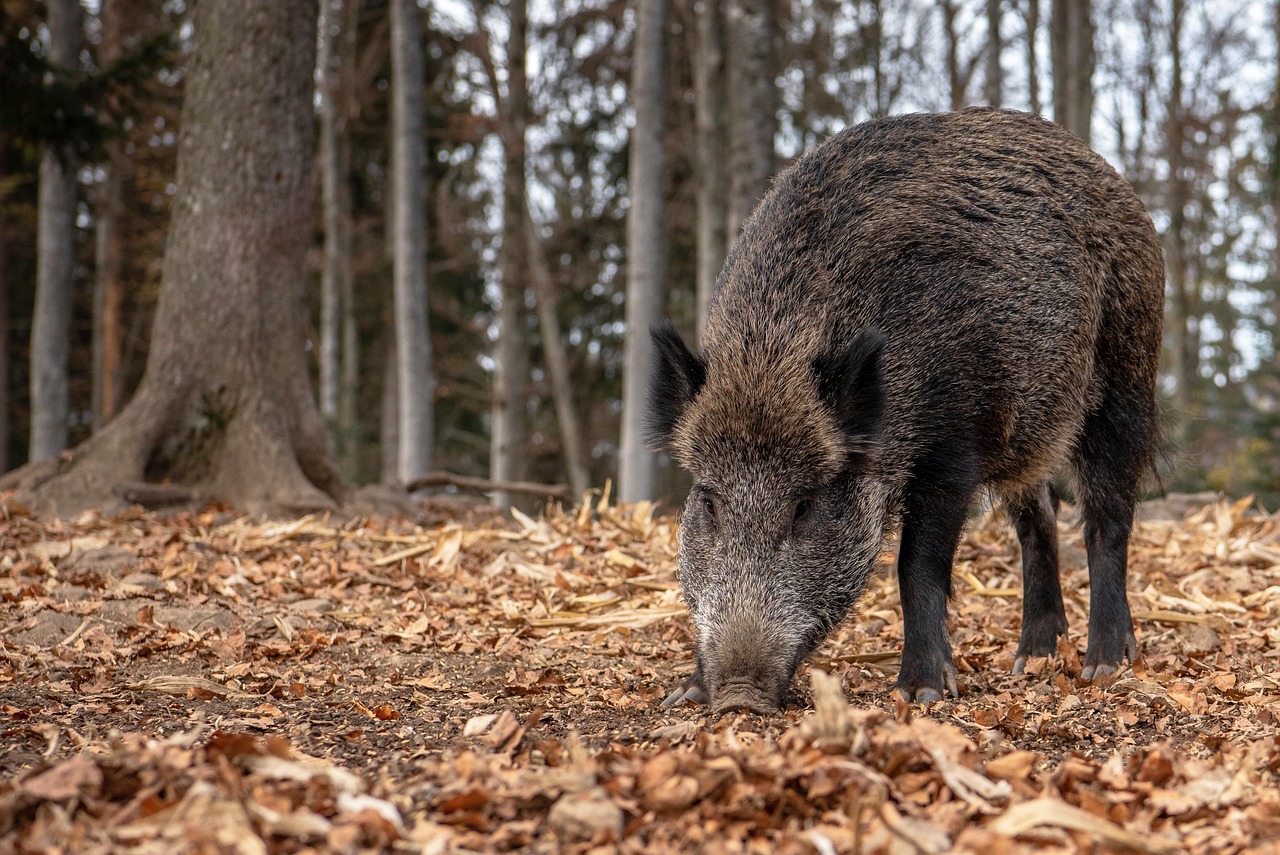
Spain detects two cases of African swine fever in two wild boars in Bellaterra (Barcelona)

The veterinary services of the Catalan Regional Government have notified the Ministry of Agriculture, Fisheries, and Food of the detection of two wild boars positive for African swine fever virus in Bellaterra (Barcelona), where they were found dead on November 26. These cases represent the first detection of the disease in Spain since November 1994, according to the ministry in a press release. African swine fever is considered a Category A disease by the European Union, which means that member states must take measures to control and eradicate it as soon as possible. It is a non-zoonotic disease, meaning that humans are not susceptible to infection either through contact with animals or through the consumption of animal products.

0

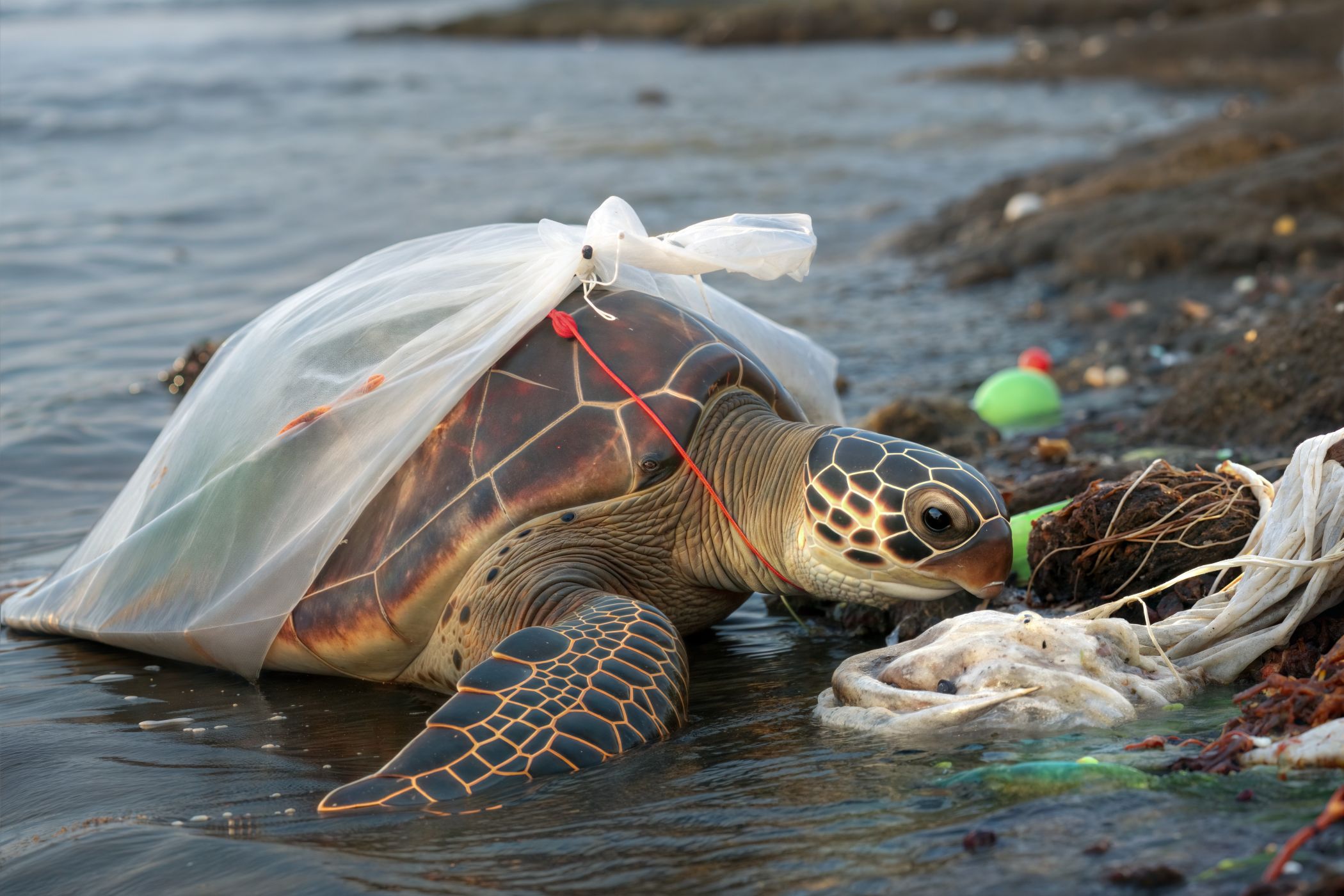
A study of 10,000 marine animal necropsies reveals that one-third of birds and nearly half of turtles had ingested macroplastics

According to a study compiling data from 10,000 marine animal necropsies, 35% of birds, 12% of mammals, and 47% of turtles examined had ingested macroplastics, causing death in 1.6%, 0.7%, and 4.4% of these animals, respectively. The types of plastic that pose the greatest risk are rubber for birds, soft plastics and fishing debris for mammals, and hard and soft plastics for sea turtles, concludes this study published in PNAS.


0

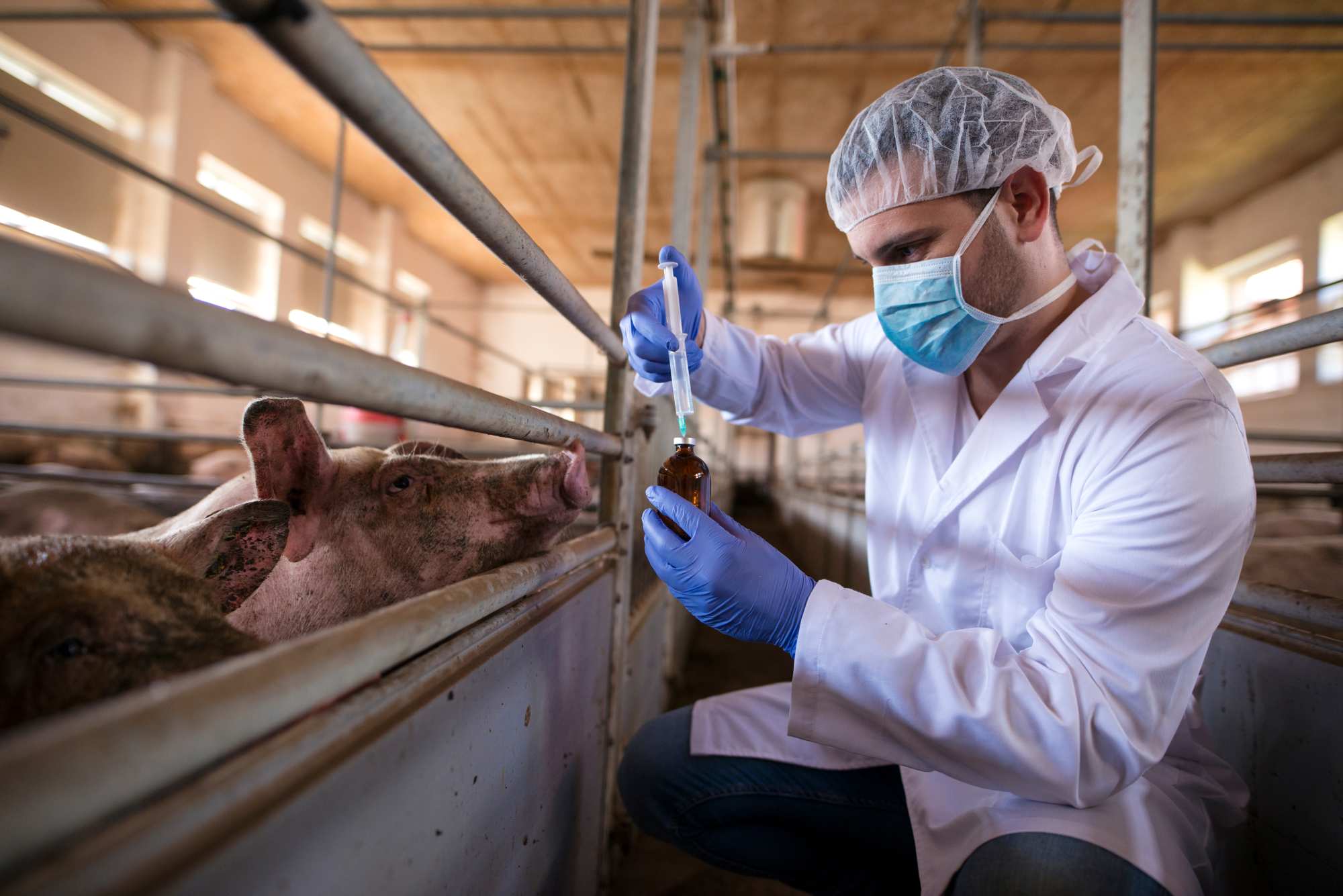
Genetically modified pigs developed to resist classical swine fever infection

An international team has used the CRISPR gene-editing tool to modify a key gene for the replication of the classical swine fever virus in pigs. The experiment, conducted on four animals, showed complete protection against the disease. According to the researchers, this breakthrough could serve as an additional method for controlling this type of virus, which entails significant economic and animal welfare costs. The results are published in the journal Trends in Biotechnology. 

0

Traumatised puppies more likely to be fearful or aggressive in adulthood

Puppies that suffer traumatic experiences are more likely to be fearful or aggressive in adulthood, according to a study published in Scientific Reports. The analysis is based on data from nearly 4,500 dogs whose owners completed a canine behaviour assessment questionnaire. The authors analysed correlations between behaviours, such as biting or retreating, and early experiences of abuse or neglect, and found that some breeds are more resilient and others more vulnerable. 

0

Two mutations identified that make the avian flu virus more dangerous in the United States than in Europe

The North American strain of the H5N1 avian influenza virus has been shown to be capable of causing outbreaks in mammals such as cows, something not seen elsewhere in the world, including Europe. An international team has identified and tested two mutations in ferrets that may explain improved adaptation and greater virulence. According to the authors, who published the results in the journal Science Advances, the finding "highlights the urgent need for strengthened surveillance and targeted interventions.

0

Cases of avian influenza in birds are on the rise in Spain, which has lost its disease-free status

Avian influenza has returned to Spain this summer. In addition to a few cases in wild birds, since 18 July there have been several outbreaks in poultry in different autonomous communities, causing the country to lose its disease-free status. To answer questions about the situation, its possible causes, evolution and consequences, SMC Spain organised an information session with researchers Inmaculada Casas, Ursula Höfle and Elisa Pérez Ramírez.


0

Researchers warn of risks of letting bird flu spread in poultry in the US

US Department of Health Secretary Robert Kennedy Jr's proposal to let bird flu spread in turkeys and chickens to identify surviving animals would be "dangerous and unethical", a group of scientists warns in a policy forum article published by Science. In addition to the suffering of infected animals, allowing a highly lethal, rapidly evolving and contagious virus to follow a natural course of infection "would prolong exposure for farmworkers, which could increase viral adaptation and transmission risks for poultry, other peridomestic animals, and humans," they warn.

0

Some dogs and cats have been bred to have the same flat face

An analysis carried out in the United States has shown that, through intensive breeding and artificial selection, humans have pushed breeds such as pugs and Persian cats to evolve with very similar skulls and flattened faces. These two species, which have a common ancestor but have been evolutionarily separated for 50 million years, have converged to the point where they resemble each other more than they do members of their own species or their ancestors. According to the study, published in PNAS, ‘this phenomenon has not been observed before in domesticated species.’ The authors lament that humans ‘have bred brachycephalic breeds to such an extreme that they are prone to respiratory, feeding and birthing problems and would not survive in the wild.’

0

An antiviral already on the market could be more effective than oseltamivir (Tamiflu) against avian influenza

A team in the US has tested the efficacy of baloxavir, an antiviral already on the market for treating common flu, against avian influenza in mice. The results, published in the journal Nature Microbiology, show that it is more effective than the currently recommended oseltamivir (Tamiflu) except when the infection is via the mouth, in which case it is equally effective. According to the authors, baloxavir ‘could be considered for the potential treatment of serious H5N1 virus infections in humans’.

0

Study shows that larger species do develop more cases of cancer, disproving Peto's paradox

Peto´s paradox is the lack of observed relationship between the size of an animal and the prevalence of cancer, despite the fact that the greater number of cells and divisions as they get larger should increase the likelihood of cancer. A new study disproves this paradox by finding that, at least in terrestrial vertebrates, larger species do develop more cases of cancer. In quite a few of them, however, the increase is less than would be expected, suggesting that they have evolved anticancer mechanisms that remain worth studying. The results are published in the journal PNAS.  

0