veterinary science

veterinary science

veterinary science

Spain detects two cases of African swine fever in two wild boars in Bellaterra (Barcelona)

The veterinary services of the Catalan Regional Government have notified the Ministry of Agriculture, Fisheries, and Food of the detection of two wild boars positive for African swine fever virus in Bellaterra (Barcelona), where they were found dead on November 26. These cases represent the first detection of the disease in Spain since November 1994, according to the ministry in a press release. African swine fever is considered a Category A disease by the European Union, which means that member states must take measures to control and eradicate it as soon as possible. It is a non-zoonotic disease, meaning that humans are not susceptible to infection either through contact with animals or through the consumption of animal products.

0

Genetically modified pigs developed to resist classical swine fever infection

An international team has used the CRISPR gene-editing tool to modify a key gene for the replication of the classical swine fever virus in pigs. The experiment, conducted on four animals, showed complete protection against the disease. According to the researchers, this breakthrough could serve as an additional method for controlling this type of virus, which entails significant economic and animal welfare costs. The results are published in the journal Trends in Biotechnology. 

0

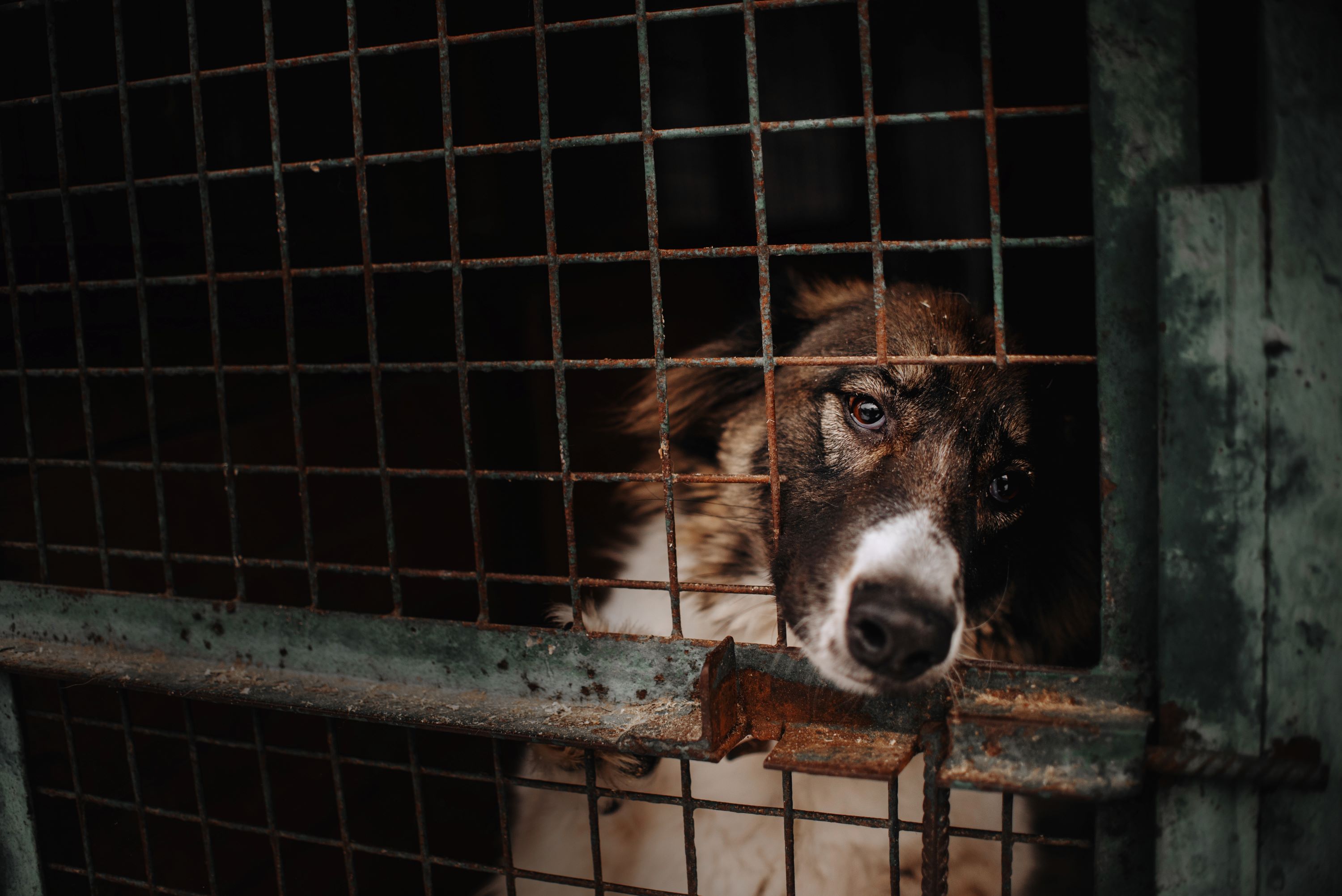
Traumatised puppies more likely to be fearful or aggressive in adulthood

Puppies that suffer traumatic experiences are more likely to be fearful or aggressive in adulthood, according to a study published in Scientific Reports. The analysis is based on data from nearly 4,500 dogs whose owners completed a canine behaviour assessment questionnaire. The authors analysed correlations between behaviours, such as biting or retreating, and early experiences of abuse or neglect, and found that some breeds are more resilient and others more vulnerable. 

0

Reactions: 38% of dog owners say they give cannabinoids to their dogs, according to Danish survey

In an anonymous online survey of dog owners in Denmark, 38% of respondents said they administered cannabinoid products - such as cannabidiol drops - to their pets without a prescription, even though their use is not legal in animals. Reasons given included pain, behavioural problems and allergies in their dogs. Some 2,000 people responded to the survey, the results of which are published in the journal PLoS ONE.

0