Reactions

Reactions

Reactions

When science hits the headlines, we seek the views of expert sources who assess the news rigorously and quickly, according to the available evidence.

Reactions to clinical trial of Parkinson's drug to slow down ALS

A research team in Japan has published a small clinical trial in 20 people with amyotrophic lateral sclerosis (ALS) of a drug called ropinirole, which is commonly used in patients with Parkinson's disease. The authors, whose study is published in Cell Stem Cell, say the treatment is safe and slowed the progression of ALS - an incurable neurodegenerative disease - by an average of 27.9 weeks.

0

Reactions: New particles designed from bacteria-infecting viruses to improve gene therapy

A team of scientists led by the Catholic University of America in Washington has designed new artificial vectors based on viruses to improve gene therapy processes. The main novelty is that they are constructed from viruses that infect bacteria. Among other advantages, this would make it possible to avoid the possible memory of our defences against them and have a greater capacity. According to the authors, who publish their results in the journal Nature Communications, these nanoparticles "have the potential to transform gene therapies and personalised medicine".

0

Reactions: pre-publication claims part of dementia cases are caused by herpes-like viruses

An international team of scientists, led by Stanford University (United States), has designed a study to analyse the relationship between herpes zoster virus infections and the development of dementia. To do so, they took advantage of the introduction of the Zostavax vaccine against this virus in 2013 in Wales (UK), which people over the age of 80 could not receive. After reviewing data from people around this age over the following seven years, they concluded that the vaccine reduced the relative risk of dementia by 20%. According to the authors, their study, which is in prepublication form and has not been peer-reviewed, "leads to the conclusion that shingles vaccination is most likely an effective way to prevent or delay the onset of dementia".

0

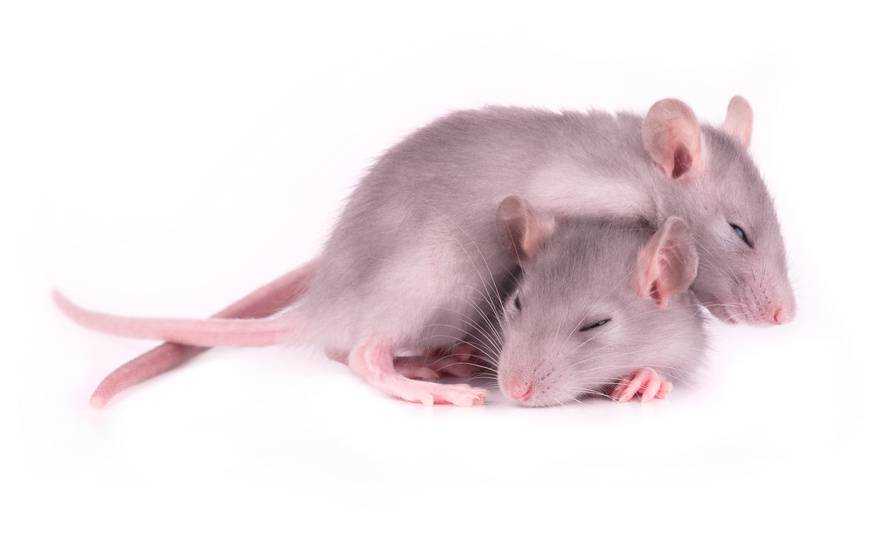
Reactions: hibernation-like state induced in rats and mice by ultrasound

By directing ultrasound to a specific area of the brain, scientists at the University of Washington have succeeded in inducing a state very similar to hibernation in rats and mice. This state, called "torpor", involves a reduction in metabolism and body temperature to save energy. According to the authors, who publish their results in the journal Nature Metabolism, if it could be applied to humans it could be used in space travel or in medicine, to increase the chances of survival in life-threatening situations such as heart attacks or strokes.

0

Reactions: a meta-analysis shows that vegetarian and vegan diets are associated with a lower concentration of lipids such as cholesterol

A meta-analysis including 30 clinical trials published between 1980 and 2022 concludes that vegetarian and vegan diets are associated with lower blood lipid concentrations, including cholesterol. The research is published in the European Heart Journal.

0

Reaction: New fusion protein tested for glioblastoma treatment

A team of scientists led by the University Hospital Zurich (Switzerland) has tested a new treatment for glioblastoma, a highly aggressive nervous system tumour with a poor prognosis. The therapy consists of a fusion protein that combines the TNF factor - a key factor in the processes of inflammation and immune response - with an antibody that targets the tumour matrix. The researchers, whose results are published in the journal Science Translational Medicine, have studied its action together with a type of chemotherapy both in mice and in six patients included in a phase 1 clinical trial.

0

Reaction: A study shows that a common bioplastic did not degrade in the sea for more than a year

Most so-called compostable plastics require specific conditions to degrade that are only obtainable in industrial settings, warns a study published in the journal PLoS One. Polylactic acid - a polymer obtained from natural renewable sources that is used as an alternative to petroleum-based plastics - takes more than a year to degrade in a marine environment, compared to 35 days for natural cellulose fibres, according to the analysis, which combines observations in waters off the coast of California (US) with laboratory measurements. 

0

Reaction: Exposure to unreliable or partisan news on Google depends more on user choice than on algorithm

A study led by researchers from Northeastern University and Stanford University in Boston (USA) has analysed the source of exposure to partisan or unreliable news when searching on Google. After tracking the information consumption of approximately 1,000 people in the 2018 and 2020 US election periods, their conclusions are that such exposure is determined more by users' own active search than by the content displayed by the search engine's algorithm. The results are published in the journal Nature.

0

Reactions: reduced oxygen levels are shown for the first time to increase life expectancy in mice

Researchers have shown that hypoxia, or oxygen restriction - equivalent to living at 5,000 metres above sea level - increases life expectancy by up to 50% and decreases neurological decline in laboratory mice. It has already been shown in yeast, worms and flies, but this is the first time it has been demonstrated in mammals. The results are published in the journal PLOS Biology. 

0