journalism

journalism

journalism

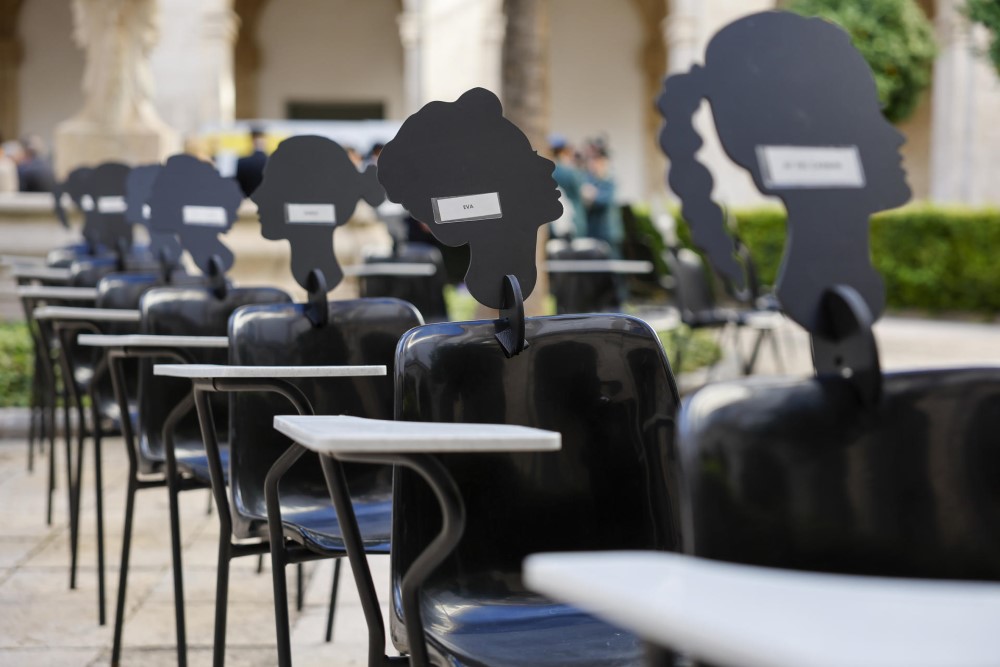
When words also protect: the role of the media in combating gender-based violence

The power of communication to represent violence against women has been on the table for scientific and social debate for more than two decades. However, after 25 years of manuals on how to address gender-based violence in journalism, inadequate coverage persists, still romanticising it or simplifying its approach as emotional violence.

1

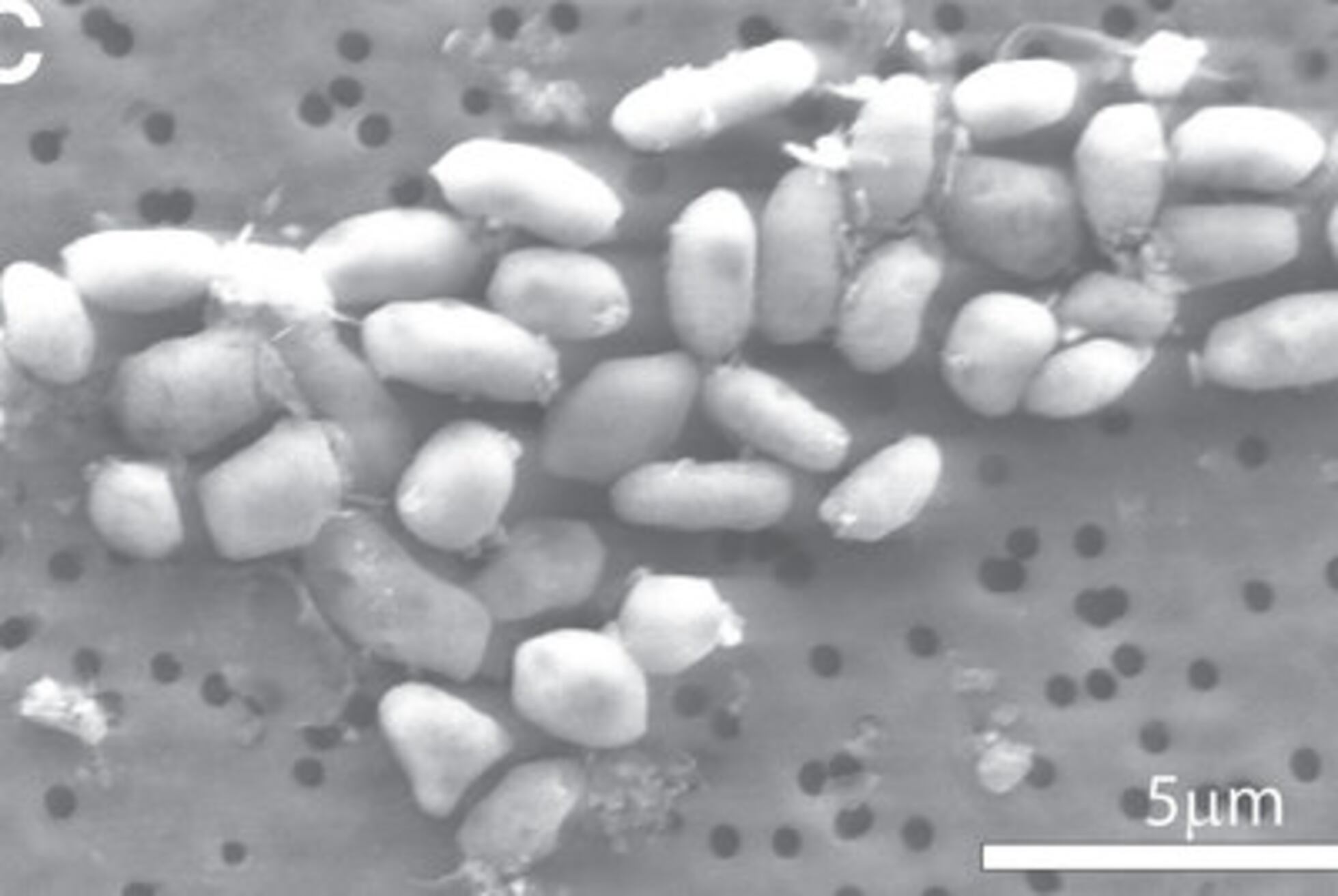
‘Science’ retracts controversial article on bacteria that used arsenic to grow, published in 2010

The research article A bacterium that can grow by using arsenic instead of phosphorus was one of the big science stories because it discussed the possibility of arsenic-based life. However, it has been the subject of criticism until now. After nearly 15 years of debate and failed attempts by other groups to replicate the findings, Science has now decided to retract the article, despite finding no evidence of fraud or misconduct on the part of the authors, who disagree with the decision.

0

A study analyses how competition between media outlets can lead them to spread misinformation

Competition to attract audiences encourages media outlets to spread misinformation, according to a study published in Science Advances. The research applies a mathematical framework - called a zero-sum game - to analyse the dynamics between immediate media benefits and long-term damage. The model showed how an ‘arms race’ can emerge between news sources: when one player resorts to misinformation, the other has to do the same in order to compete.

0

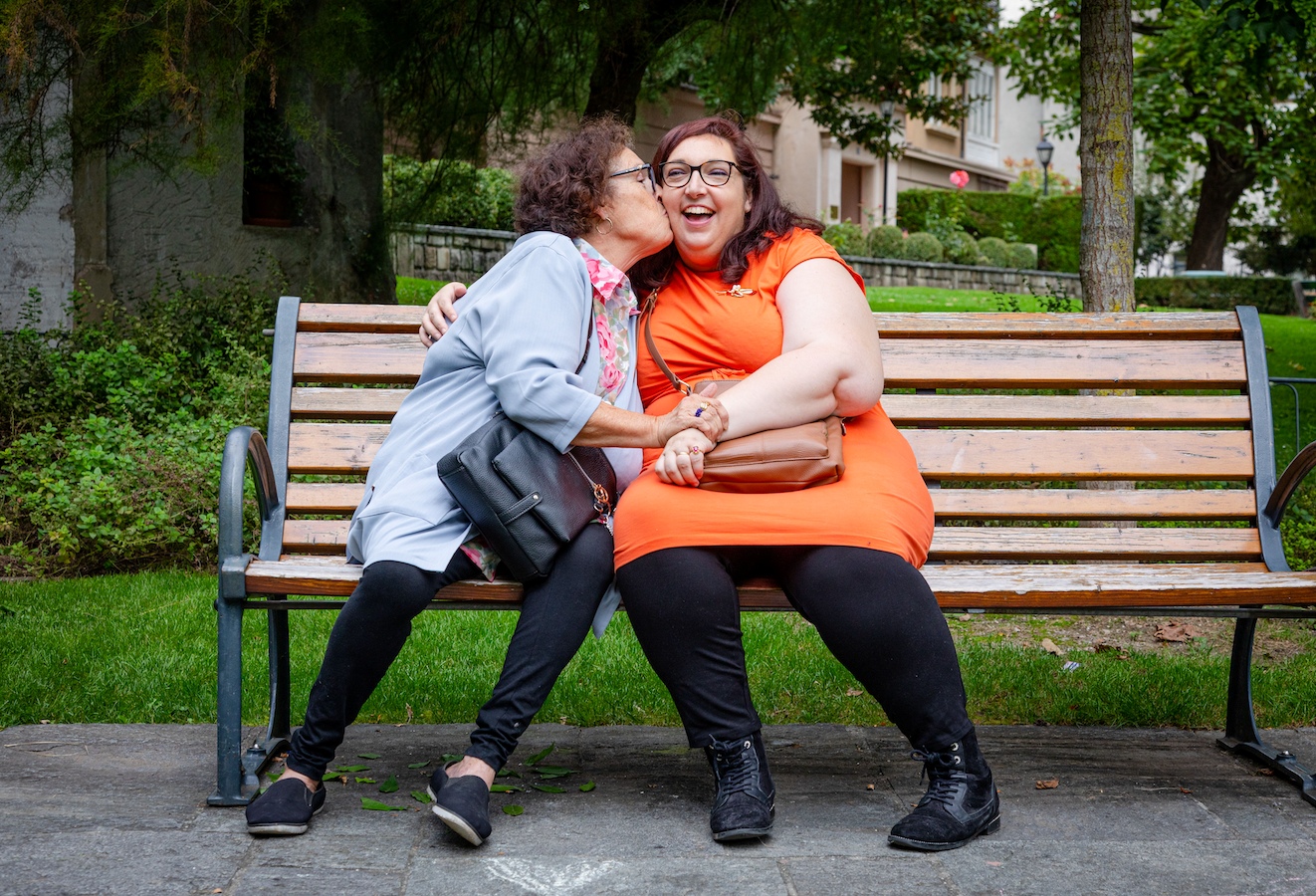
A quick guide to reporting obesity without getting it wrong

According to the World Health Organisation (WHO), the prevalence of obesity worldwide has increased by more than 100 % between 1990 and 2022. This reality has been and is constantly reflected in the media, but not always narrated or illustrated in the right way. Here are some tips on how to report on this disease from experts, international guidelines and specialised image banks.

0

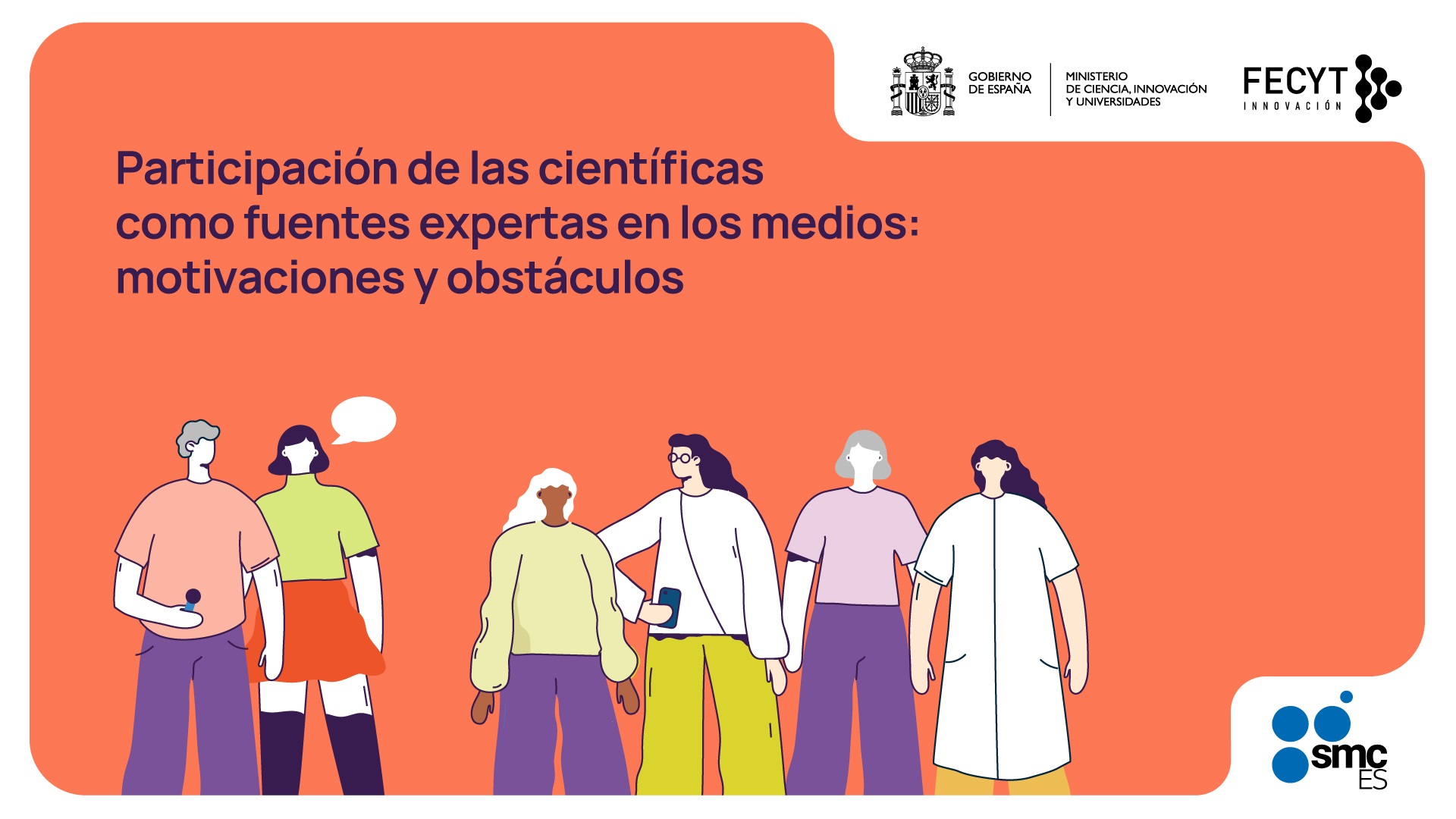
Women scientists contribute less than male researchers as expert media sources; barriers include lack of time due to family responsibilities, SMC Spain survey shows

The report Participation of women scientists as expert sources in the media: motivations and obstacles, carried out by FECYT's SMC España with the Gureiker research group (UPV/EHU) analyses the data from a survey, a pioneer in Spain, on the factors that influence the media participation of scientists as expert voices. All the people contacted as information sources by the SMC Spain team were surveyed over a three-month period, starting in March 2024. Of the sources consulted, 43.91% were women and 56.09% were men. However, of the total number of people who accepted SMC's proposals and appeared as sources, 37.66% were women and 62.34% were men. The greater media exposure of male scientists benefits them for future interventions. In terms of barriers that prevent researchers from speaking in the media, lack of time due to family responsibilities affects female scientists (22.95 % of respondents) more than male scientists (10 %).  

0

The science of 2024: our top ten most-read headlines

At this point, it is difficult to decide which science news has been the most relevant to make one of those end-of-year lists that we like so much. Luckily, the SMC Spain metrics help us to make this selection with a criterion that does not have the consistency of a peer review, but that works: the democracy of the click. These are the ten most visited articles (and a self-promotion tip).

0

More than half of researchers who communicate science in the media in Spain say they suffered attacks, according to a SMC survey

The report 'Experiences of researchers who interact with the media and social networks in Spain', carried out by FECYT’s Science Media Centre Spain (SMC) in collaboration with the research group Gureiker, from the University of the Basque Country, analyses data from a survey, the first of its kind in Spain, on the relationship with the media and social networks of the expert sources contacted by the SMC Spain from March 2022 to July 2024. The results show that scientists have a positive or very positive perception of their participation in the media (83.12%). However, 51.05% of respondents admit to having suffered an attack after communicating science. Women receive significantly more attacks than men: 56.86% of female scientists report attacks compared to 46.21% of male scientists. The social network X (formerly Twitter) is the most common avenue for this type of attack. 

0

Disasters, nature and responsibility: rethinking journalistic language in the aftermath of the Valencia floods

The devastating floods in Valencia have reminded us of the crucial role of language in journalism: in the maelstrom of information following the catastrophe, numerous articles have resorted to the expression “natural disaster”, as if the tragedy were a sort of inescapable sentence dictated by nature. The idea that nature acts with intent or malice in causing suffering is a concept that distorts our understanding of these events.

1

These are the science topics we have discussed most in 2023

Every week, the Science Media Centre Spain team reads hundreds of headlines and news alerts for potential news to cover. Our specialty is to generate useful content on science topics that ignite public debate; therefore, we take great care in the selection of stories and spend a good proportion of our time debating what we should and should not give. To end the year, we wanted to tell you part of our intrahistory.

1