Large wildfires and major volcanic eruptions had an impact on global atmospheric temperatures
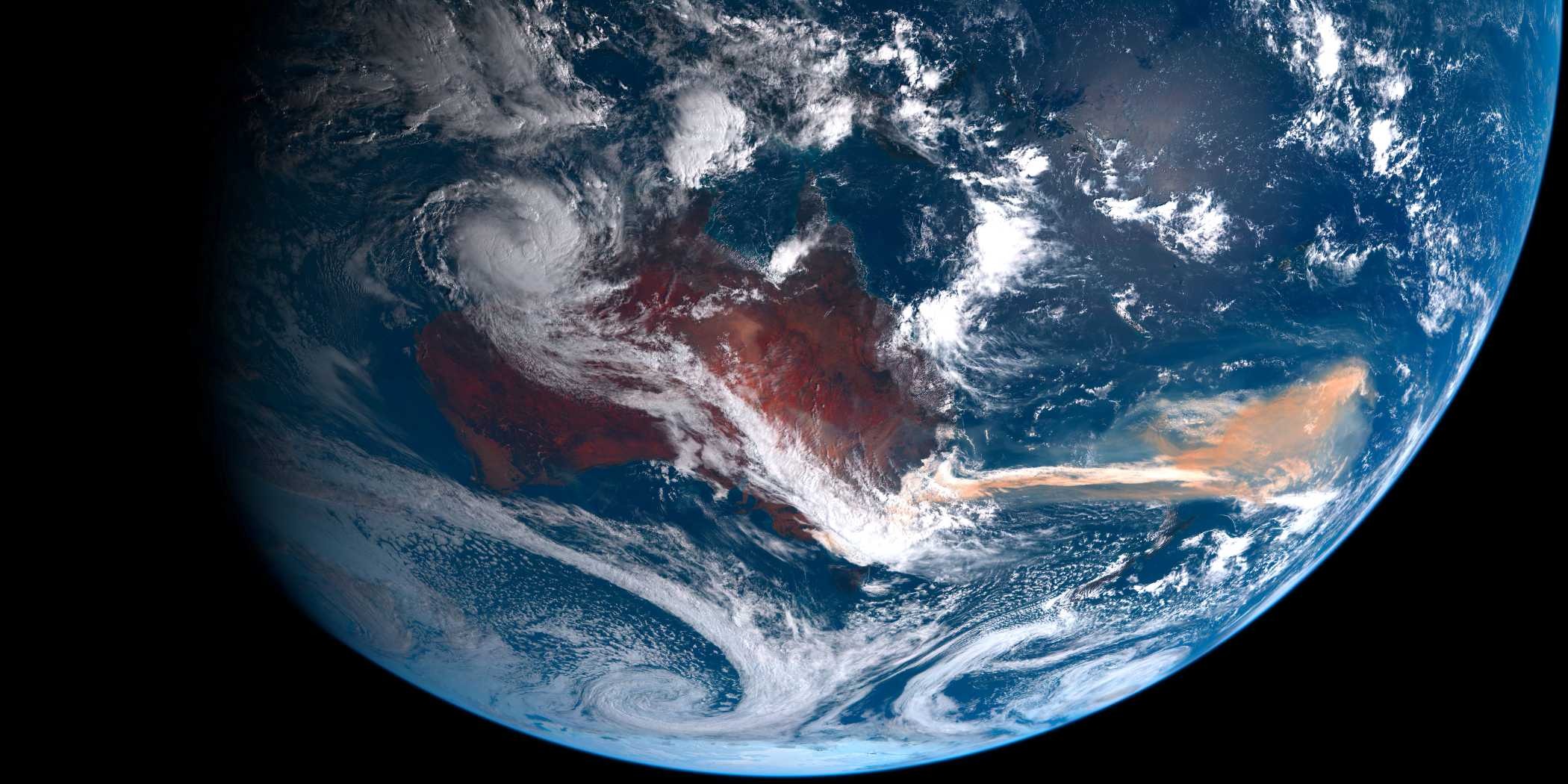
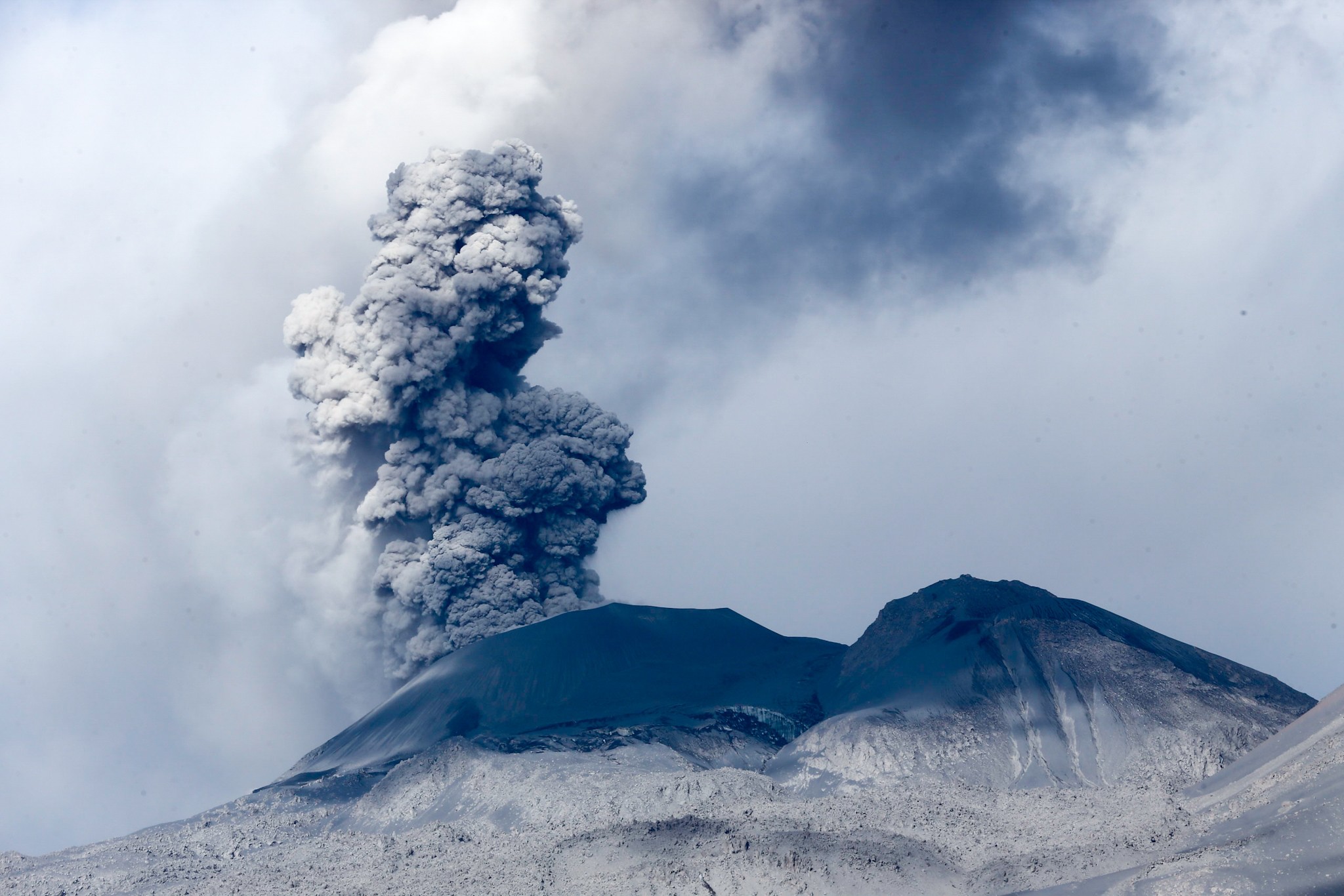
A study published in PNAS reveals the effects of large-scale wildfire smoke and aerosols from major volcanic eruptions on global atmospheric temperatures. Using satellite observations, the team estimated the temperature disturbances associated with the 1991 eruption of Mount Pinatubo in the Philippines, the 2019–2020 Australian wildfires, and the 2022 eruption of the submarine Hunga Tonga volcano in Tonga. All three events had measurable impacts on global atmospheric temperatures. Sulfate particles from Pinatubo caused cooling in the troposphere and warming in the stratosphere, confirming previous measurements. Aerosols from the Australian wildfires —though only about 5 % of the aerosol mass emitted by Pinatubo— also produced both effects, while water vapor from Hunga Tonga led to tropospheric cooling.