Reactions

Reactions

Reactions

When science hits the headlines, we seek the views of expert sources who assess the news rigorously and quickly, according to the available evidence.

A drug reduces cocaine and alcohol use in a small clinical trial

An experimental drug called mavoglurant can reduce the consumption of both cocaine and alcohol in people with cocaine use disorder, according to the results of a phase 2 clinical trial with 68 participants. Although trials with more participants are needed, the results suggest that this drug should be studied further. The findings, in which Spanish teams have participated, are published in the journal Science Translational Medicine.

0

Exposure of babies to environmental ozone is associated with asthma between the ages of four and six

Exposure to mild ozone air pollution during the first two years of life is linked to the development of asthma and wheezing in children between the ages of four and six, both individually and in combination with nitrogen dioxide and fine particles. This relationship was not found in children under eight or nine years old, according to a study published in JAMA Network Open. The epidemiological study is based on data from more than 1,000 children in the U.S.

0

The herpes zoster vaccine is associated with a lower risk of dementia

A study published in Nature magazine analysed the medical records of elderly Welsh men and women and discovered that those who had been vaccinated against shingles were 20% less likely to develop dementia in the following seven years. This effect was greater in women. The findings support the theory that viruses that affect the nervous system can increase the risk of dementia.

0

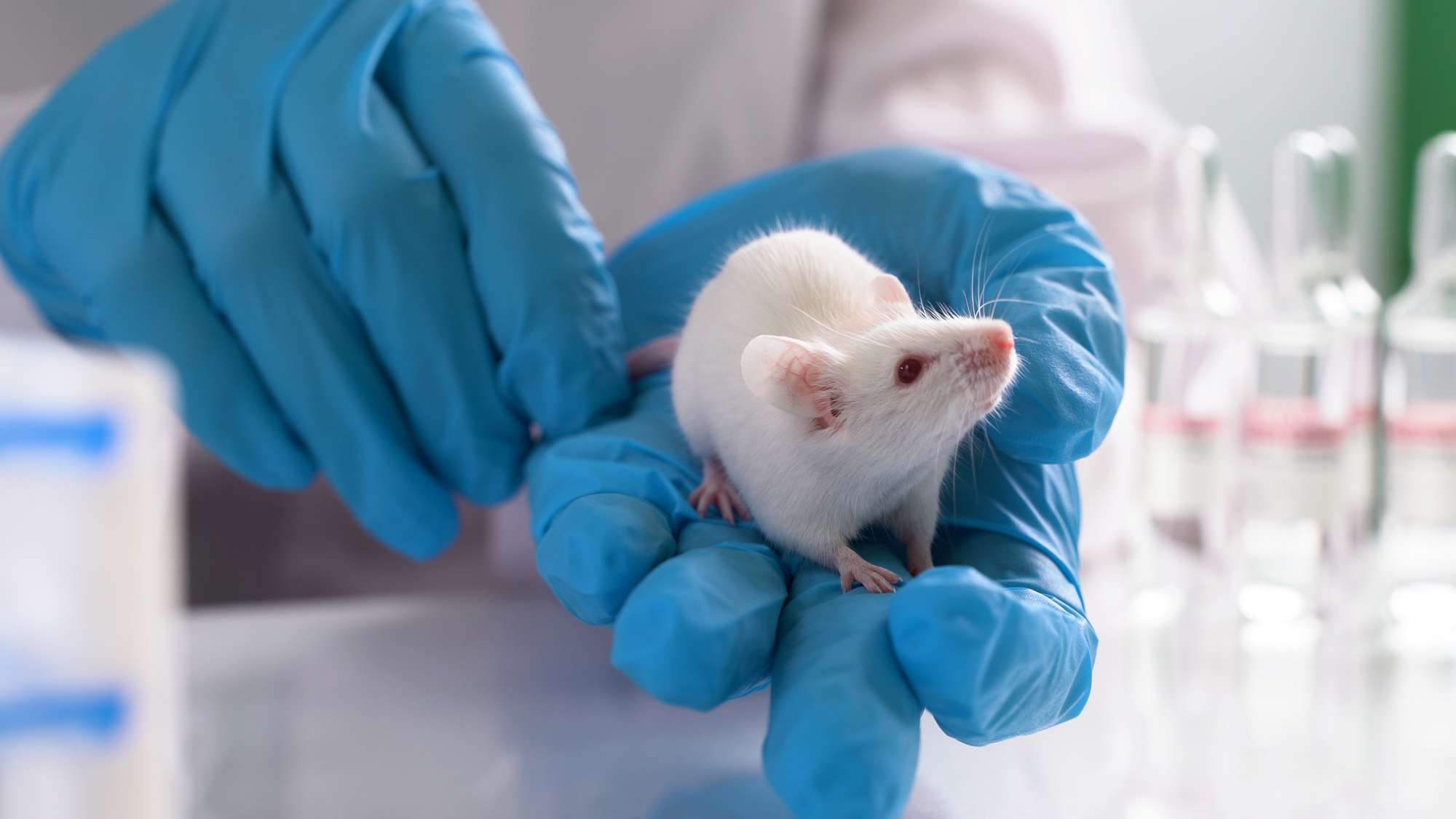
A high-fat diet favours metastasis of the most aggressive breast cancer in mice

A team led by the Spanish National Cancer Research Centre (CNIO) has shown in mice that a high-fat diet increases metastasis in triple-negative breast cancer, which has the worst prognosis. In addition, it has identified several of the mechanisms that would explain this, such as the activation of platelets and coagulation, which would help the tumour hide from the body's defences and prepare the so-called ‘pre-metastatic niche’. According to the researchers, who published the results in Nature Communications, ‘this mechanism could be extrapolated to other tumour types and other organs’. The results suggest that ‘dietary intervention, together with the control of platelet activity, may increase the efficiency of certain anti-tumour treatments’.

0

EMA recommends not approving donanemab for Alzheimer's

EMA’s human medicines committee has recommended not authorising the marketing of Kisunla (donanemab), a drug intended for the treatment of early-stage Alzheimer's disease. The committee considered that the benefits of this drug were not great enough to outweigh the risk of potentially fatal events. In recent years, several patients have died due to microbleeds in the brain.

0

Transplanting faeces from elite athletes improves metabolic parameters in mice

A team from France has studied the intestinal microbiota of elite athletes with high aerobic capacity (footballers and cyclists). The data indicates that they have less bacterial diversity and that the transplantation of faeces from athletes to mice improves metabolic parameters such as insulin sensitivity and glycogen deposits in the muscles. The results are published in the journal Cell Reports.

0

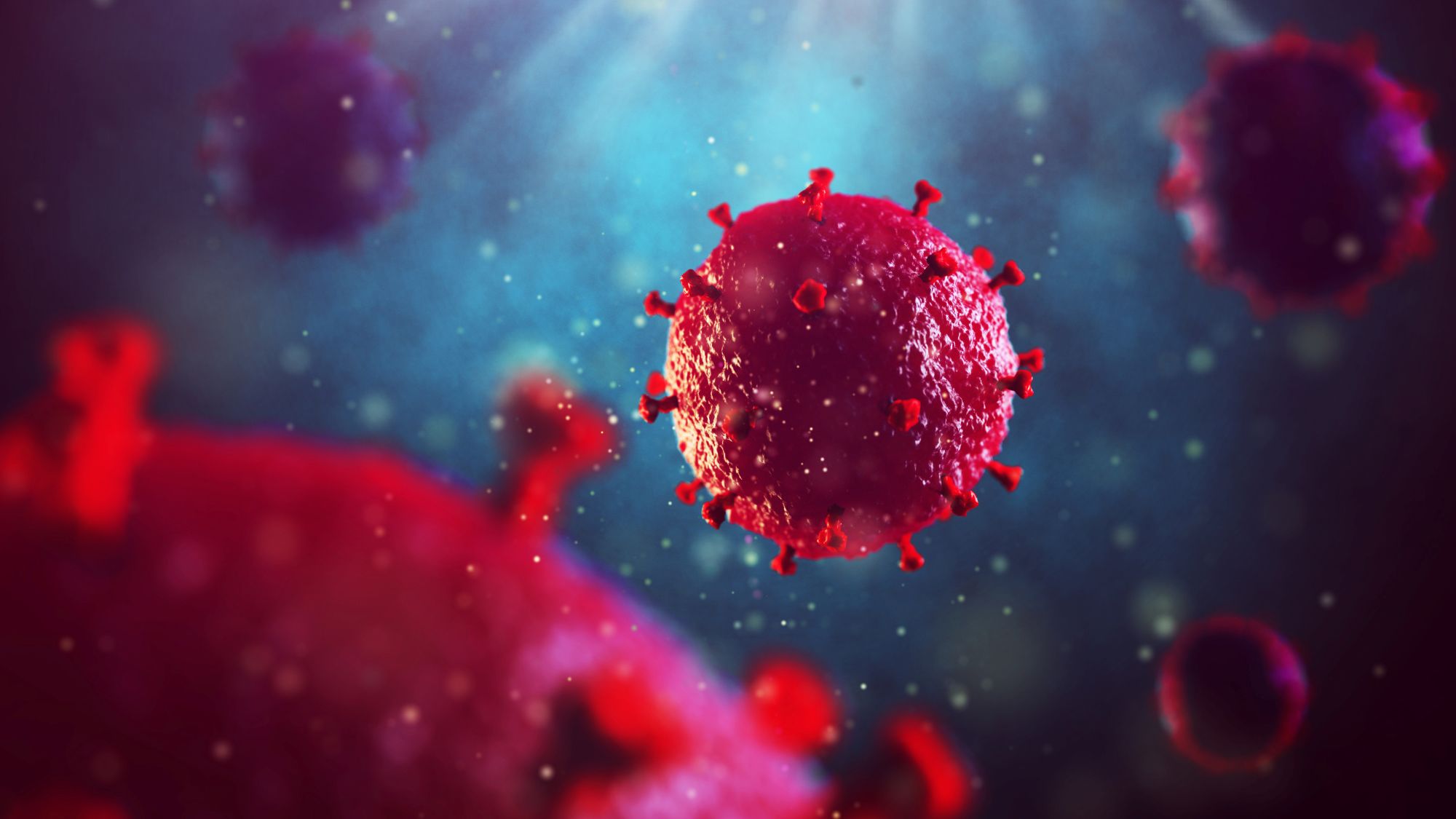
International aid cuts could cause millions of HIV deaths in low- and middle-income countries

Cuts in international HIV funding could cause between 4.4 million and 10.8 million new HIV infections between 2025 and 2030 in 26 low- and middle-income countries. In addition, these funding reductions could result in between 770,000 and 2.9 million HIV-related deaths, according to a study published in The Lancet HIV. Five countries that together provide more than 90% of funding for international HIV interventions - the US, UK, France, Germany and the Netherlands - have announced reductions in funding between now and 2026, the article explains. This includes the immediate suspension, in January 2025, of US funding, which accounted for nearly three-quarters of the total.

0