
National Biotechnology Centre (CNB-CSIC)
If you are the contact person for this centre and you wish to make any changes, please contact us.
Co-director of the Microbiome Analysis Laboratory and Research Professor
Co-director of the coronavirus group at the National Biotechnology Centre (CNB-CSIC)
Research professor at the National Biotechnology Centre (CNB-CSIC) and at the CIBERER-ISCIII
CNB-CSIC Scientific Researcher at the CiMUS of the University of Santiago de Compostela, IDIS. Laboratory of Cell Senescence, Cancer and Aging
Virologist at the National Center for Biotechnology (CNB-CSIC)
Head of the Cerebral Cortex Development research group at the National Center for Biotechnology (CNB-CSIC)
Researcher at the National Biotechnology Centre (CNB-CSIC)
Researcher specialized in ecology and evolution of antibiotic resistance.
Virologist at the National Biotechnology Centre (CNB-CSIC)
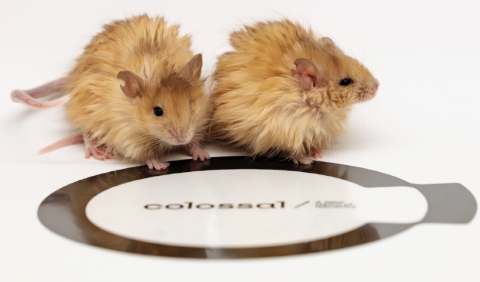
Colossal Biosciences has announced the creation of genetically modified mice with characteristics reminiscent of the fur of extinct mammoths, such as fur colour, texture and thickness. The non-peer-reviewed results were shared today in the BioRXiv prepublication repository.

Research has analyzed how extreme heat influences the biological age of elderly populations, specifically in the United States. The study, published in Science Advances, used blood samples from more than 3,600 adults with an average age of 68 collected between 2010 and 2016. The team compared epigenetic aging trends with the number of days of extreme heat in the participants' places of residence. The models showed that more days of heat or long-term heat — over a period of one to six years — increased the biological age of the participants by more than two years.

An international team has analyzed data from nearly half a million people to analyze the influence of genes or environment on mortality, age-related diseases and aging. Although the relationship may vary according to the type of disease, their conclusions are that the environment -especially socioeconomic conditions, smoking habits and physical exercise- has a much greater influence than genetics in all the aspects studied. Among other data, environment explains 17 % of the variation in mortality risk, while genetics is limited to 2 %. The results are published in the journal Nature Medicine.
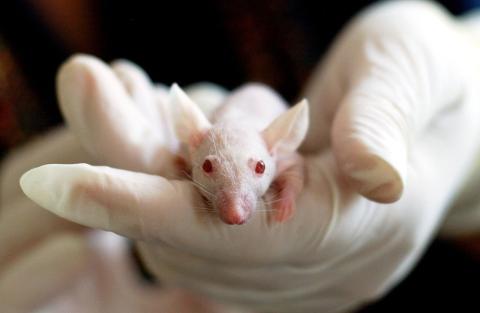
A team of researchers has used embryonic stem cell engineering to create a bipaternal mouse - a mouse with two male parents - that lived to adulthood. Their results, published in the journal Cell Stem Cell, show how targeting a particular set of genes involved in reproduction enabled this breakthrough in unisexual reproduction in mammals.
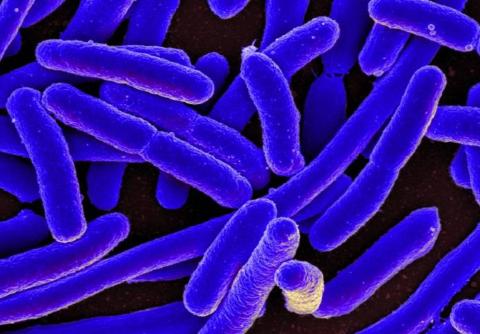
Thirty eight scientists from different specialties, including Craig Venter, a pioneer in the creation of artificial synthetic life, have written an article in the journal Science in which they assess the possibilities of synthesizing mirror organisms, but also warn of the risks they pose. This type of microorganisms, which would present a mirror structure to that currently found in nature, would have potential applications due to their resistance to biological degradation. However, they would also pose a danger because they would not be recognized by our defenses and could spread in ecosystems. Scientists call for more research and a broad debate, and warn that until more is known, this type of organism should not be created.

Two articles published in Nature describe a new genome editing technique that enables the insertion, inversion, or deletion of long DNA sequences at specific positions in the genome. This is a one-step approach that could offer a simpler method for genome editing in the future. The authors describe a technique to create reprogrammable recombinases—key enzymes in genetic recombination. These enzymes are guided by RNA, which acts as a bridge, directing the recombinase to target sites and facilitating predetermined editing.
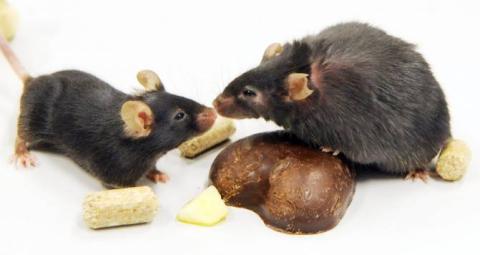
Five out of ten potential treatments move from animal studies to human studies; four to randomised controlled clinical trials; and one in 20 moves on to approval by regulatory agencies, an analysis estimates. Concordance between positive results in animals and in clinical studies is 86%, according to the study, published in PLoS Biology, which pools the findings of 122 published studies on 54 different human diseases.
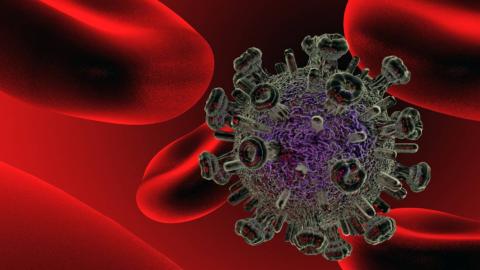
The Science group is simultaneously publishing four papers (two in the journal Science, one in Science Immunology and one in Science Translational Medicine) that include advances in a sequential vaccination strategy for an effective HIV vaccine. The methods employed aim to obtain broad-spectrum neutralising antibodies and one of the proposals is already in clinical trials.
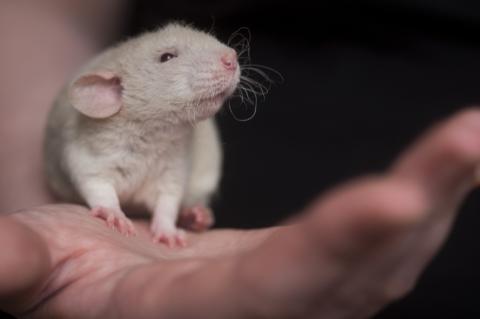
Two independent research teams have managed to regenerate brain circuits in mice using neurons cultivated from rat stem cells. Today, both studies were published in the journal Cell. The research, in which chimeras of different species were generated, delve into how brain tissue forms and present new opportunities for restoring lost brain function due to diseases and aging.

Epigenetic editing is a technique that aims to alter gene expression without the need to modify the DNA sequence, as gene editing techniques do. In this way, Italian researchers have succeeded in silencing the PCSK9 gene in mice, thereby reducing cholesterol levels by half for at least a year. According to the authors, and assuming further evaluation is needed, their platform "could lay the foundations for the development of this type of therapy". The results are published in the journal Nature.