sustainability

sustainability

sustainability

COP30 ends with a minimal agreement, leaving out any mention of fossil fuels

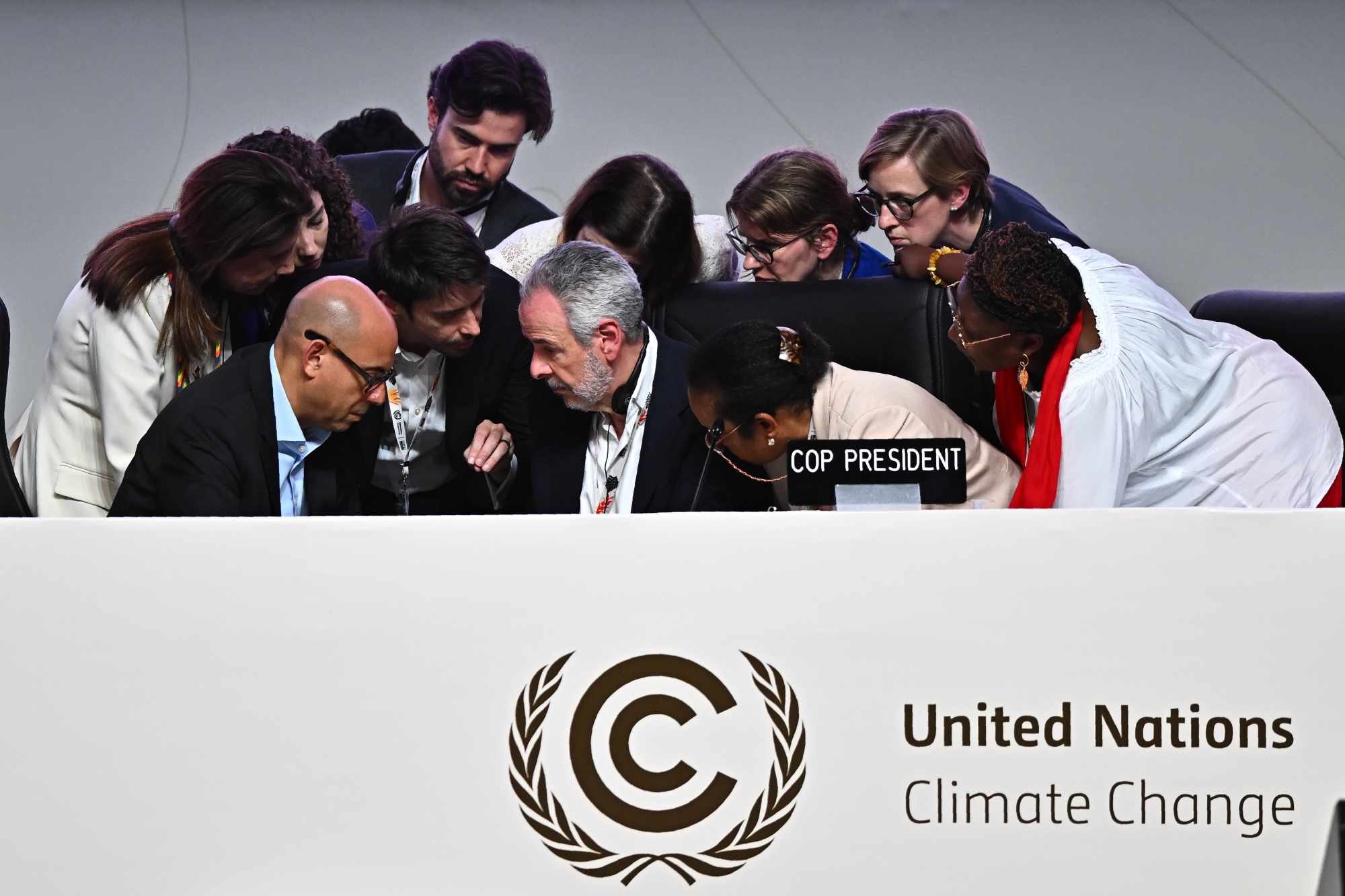
One day after the deadline, COP30 in Belém (Brazil) has finally reached a minimal agreement. The text does not mention a roadmap for abandoning fossil fuels, as requested by more than 80 states, including the European Union. The agreement states that countries agreed to accelerate climate action and triple funding for developing countries facing extreme weather events.


0

The illegal trade of four protected shark species continues despite regulations

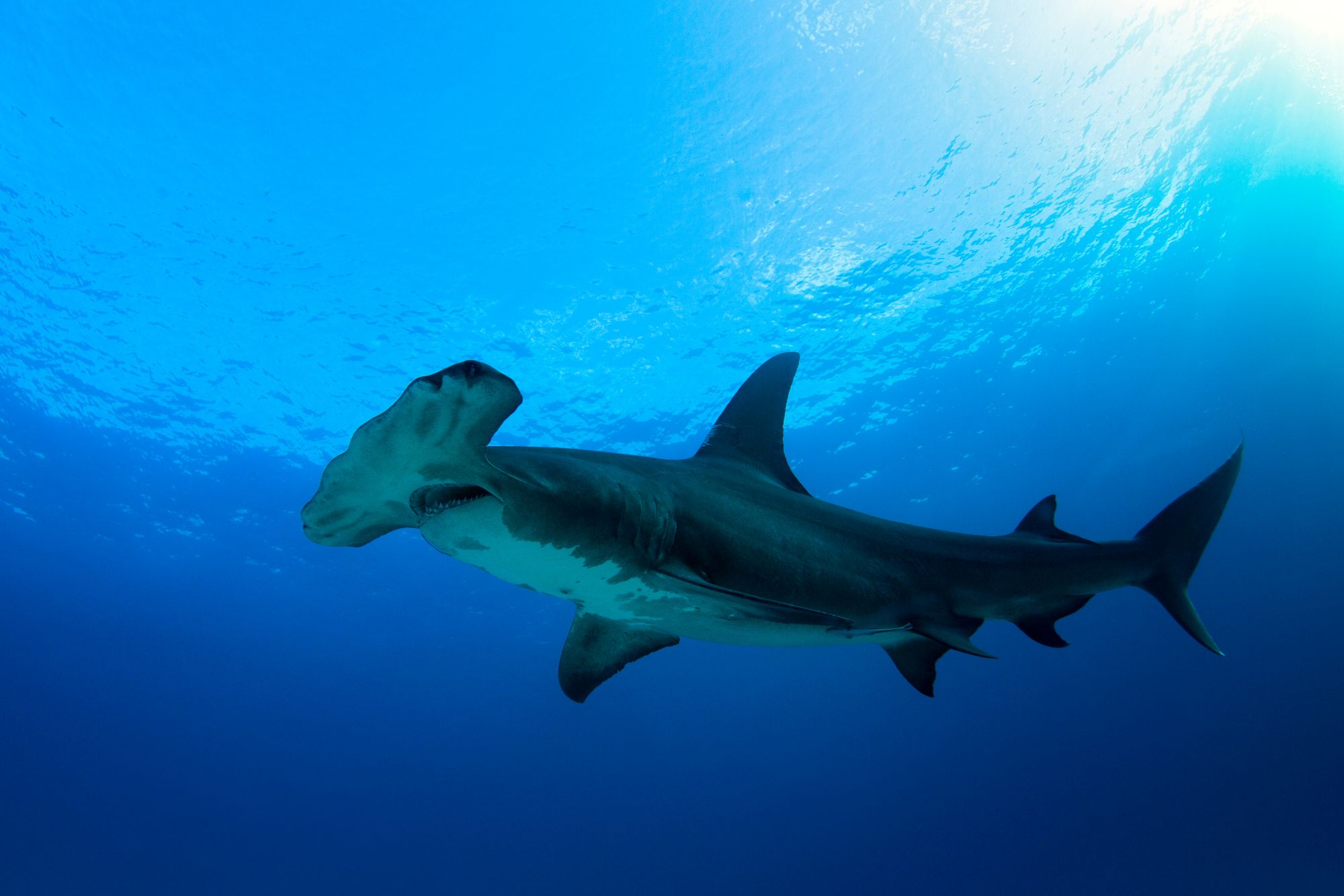
Since 2013, undeclared and uncertified exports of fins from five overexploited shark species have been illegal. Now, an international team has determined that illegal fins from four of those species remained prevalent in the market between 2015 and 2021. Among the countries cited as potential violators are Spain, China, and Taiwan. The study is published in the journal Science Advances.

0

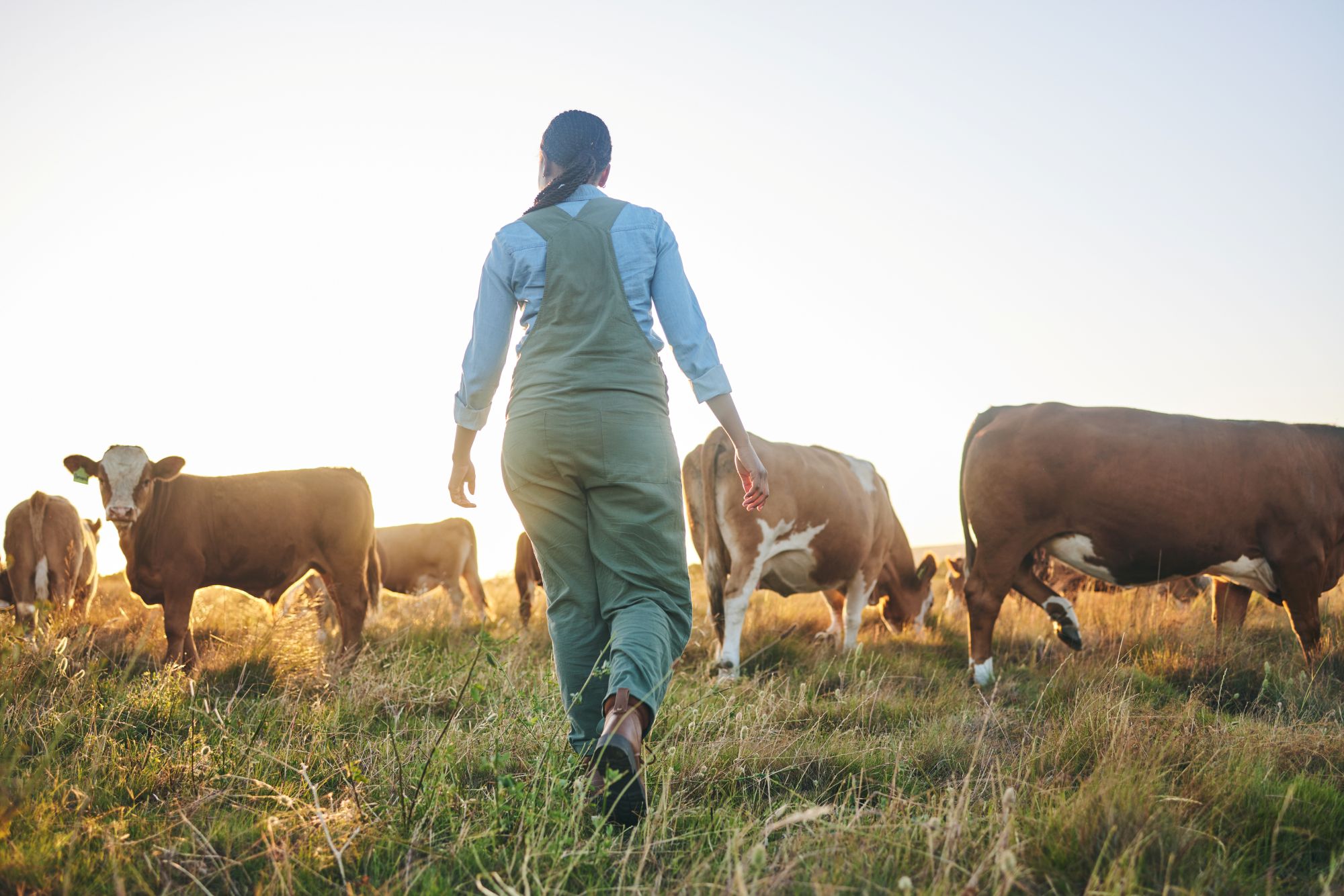
A study calculates how agricultural employment will change due to the transition to healthier and more sustainable diets

The adoption of plant-based diets could reshape agricultural employment worldwide. This is the main conclusion of an international study that estimates that by 2030, between 5% and 28% less agricultural labour would be needed, i.e. between 18 and 106 million fewer full-time jobs. The countries most affected would be those with agriculture based largely on livestock farming, while others, especially low-income countries, could need between 18 and 56 million more workers to grow fruit, vegetables, legumes and nuts. The study is published in The Lancet Planetary Health.


0

A large-scale study reinforces the link between following an environmentally friendly diet and lower mortality rates

The Planetary Health Diet promotes environmentally sustainable consumption, based, among other things, on increasing vegetable intake and reducing dairy and red meat consumption. Previous studies had found an association with better human health, although there were some conflicting results. Now, a study combining two cohorts of more than 150,000 people and a meta-analysis of 37 studies involving more than three million volunteers reinforces this association, finding that greater adherence to the diet is associated with lower all-cause mortality. The results are published in the journal Science Advances.


0

Proposal to return to Roman concrete to make the construction industry more sustainable

The concrete used by the Roman Empire was used to build aqueducts, bridges and buildings that have lasted for over two thousand years. A study analyses whether returning to this ancient material would help to decarbonise modern cement. According to the authors, reproducing the recipe would require a similar amount of energy and water, with similar CO2 emissions; however, its durability could make it a more sustainable option. It is published in the Cell Press journal iScience.

0

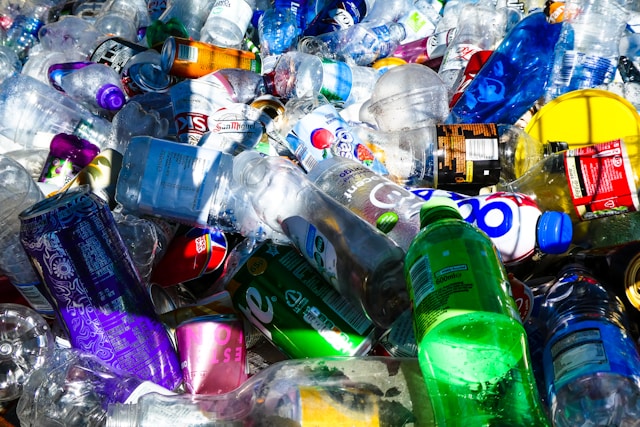
Less than 10 % of plastics manufactured in 2022 were made from recycled materials

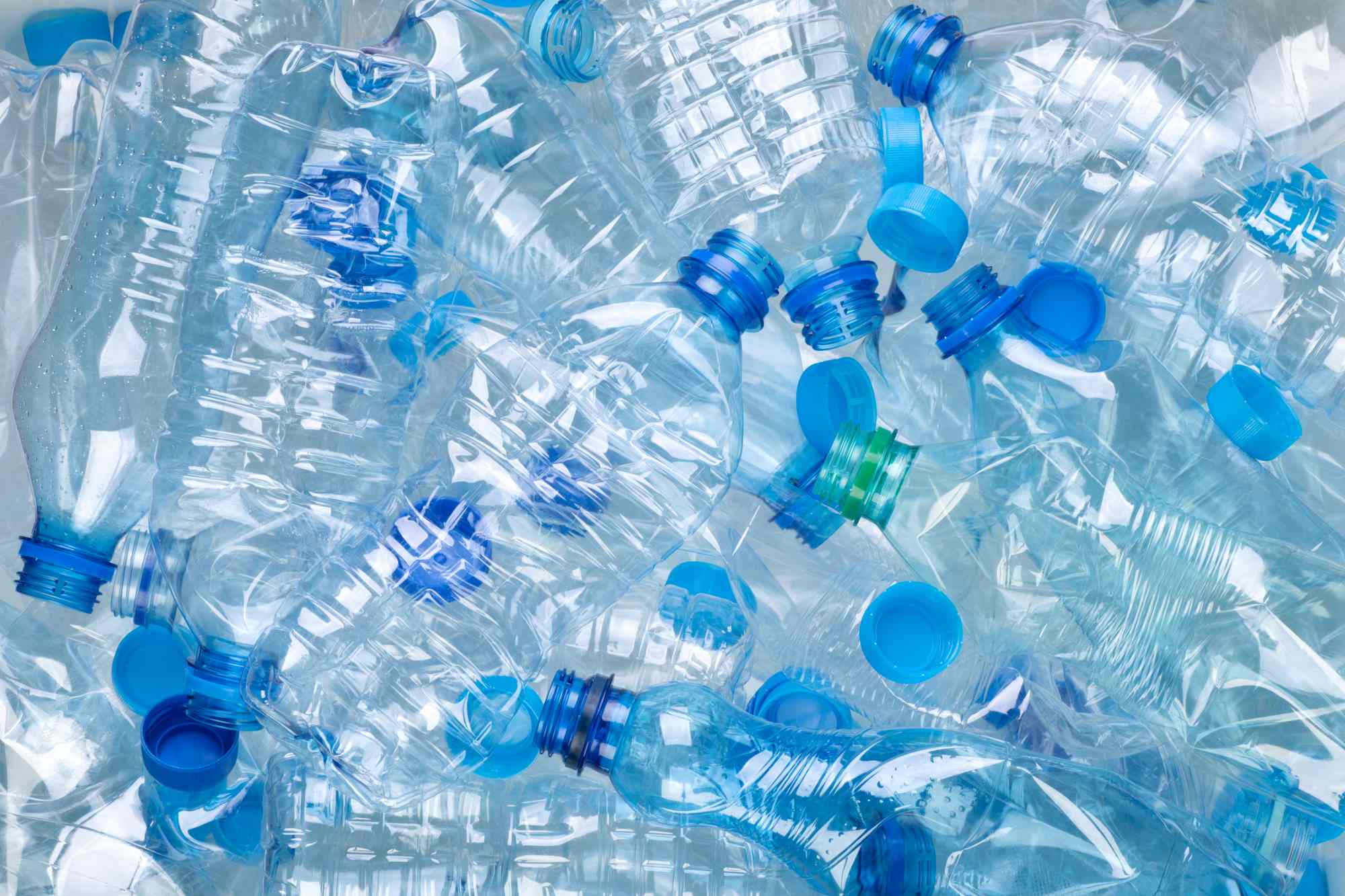
Only 9.5% of plastics produced globally in 2022 were generated from recycled materials. The findings, published in Communications Earth & Environment, are part of a comprehensive analysis of the global plastics sector, which also reveals a large increase in the amount of plastic being disposed of by incineration and substantial regional differences in its consumption.

0

Genetic diversity has decreased in more than 600 species in the last three decades

A meta-analysis that brings together data from 628 species of animals, plants and other organisms in terrestrial and marine ecosystems over the last three decades shows that most are losing genetic diversity, especially mammals and birds. ‘The threats affected two thirds of the populations we analysed and less than half are subject to conservation management measures,’ say the authors of the research, published in Nature.

0

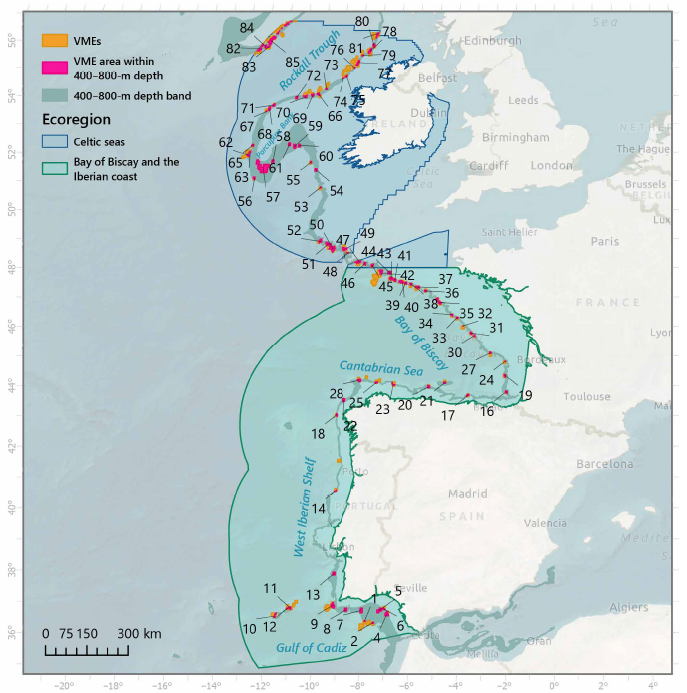
Study shows bottom fishing reduced by 81% in protected deep-sea ecosystems, but infringements continue

Since the implementation of protective closures in 2022, bottom fishing in European waters has declined by 81% in 87 vulnerable marine ecosystems located at depths of 400-800 metres, a study published in Science Advances reveals. However, according to the authors, these deep-water regions continued to receive many incursions by Spanish and French vessels.

0

Change in building materials could store billions of tonnes of carbon

US researchers have estimated that replacing conventional building materials in new infrastructure with CO2 capturing alternatives - such as mixing carbon aggregates into concrete or using bio-based materials in bricks - could store billions of tonnes of carbon dioxide per year. According to the study, published in the journal Science, the move could help meet greenhouse gas emission reduction targets.

0

Two IPBES reports propose global changes to tackle current environmental crises

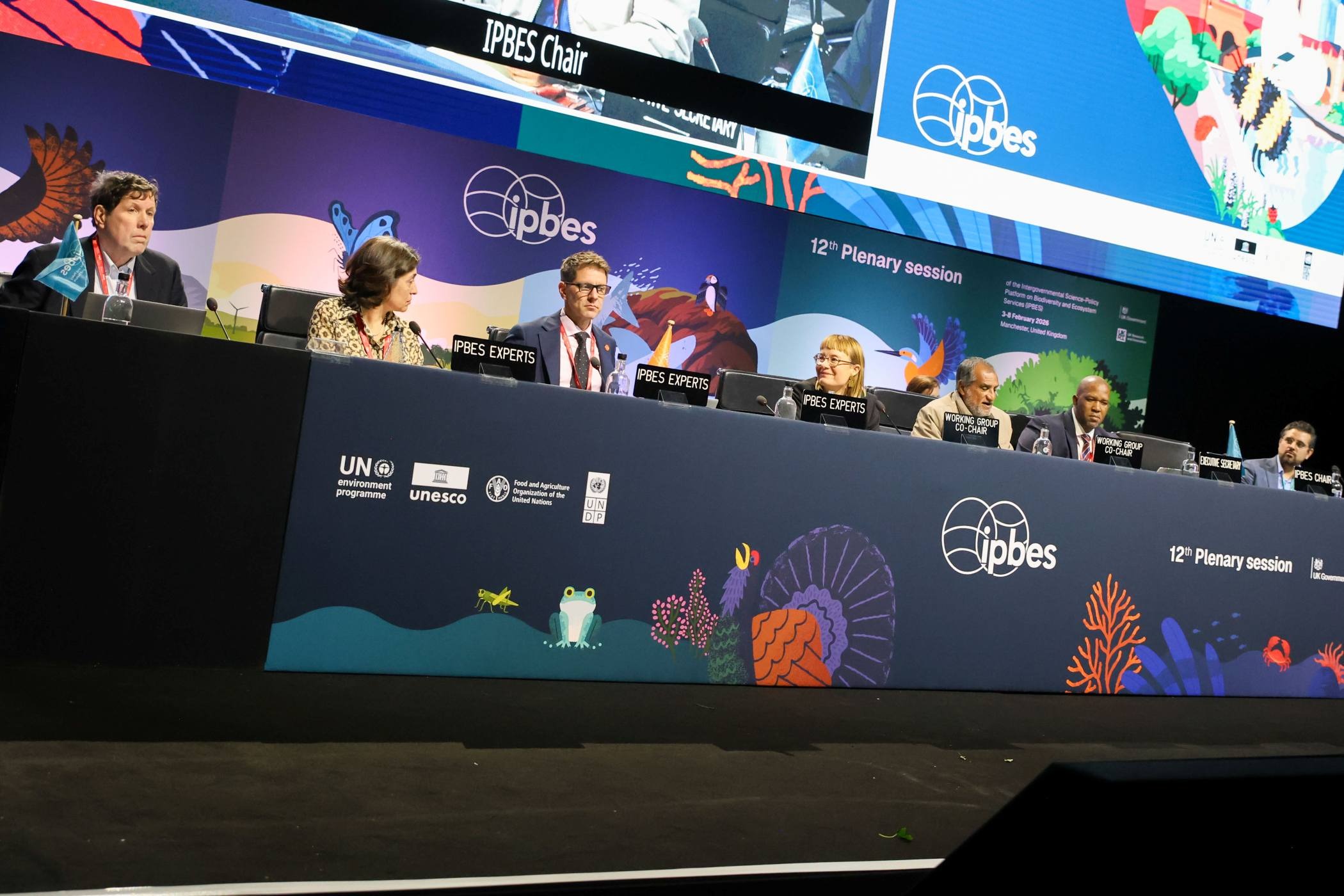
Meeting in the city of Windoek (Namibia), the plenary of the IPBES - Intergovernmental Science-Policy Platform on Biodiversity and Ecosystem Services - has ratified two new reports: the Nexus Assessment and the Transformative Change Assessment. Three of their authors explained the main findings and the changes they propose at a briefing organised by SMC Spain.

0