oceanography

oceanography

oceanography

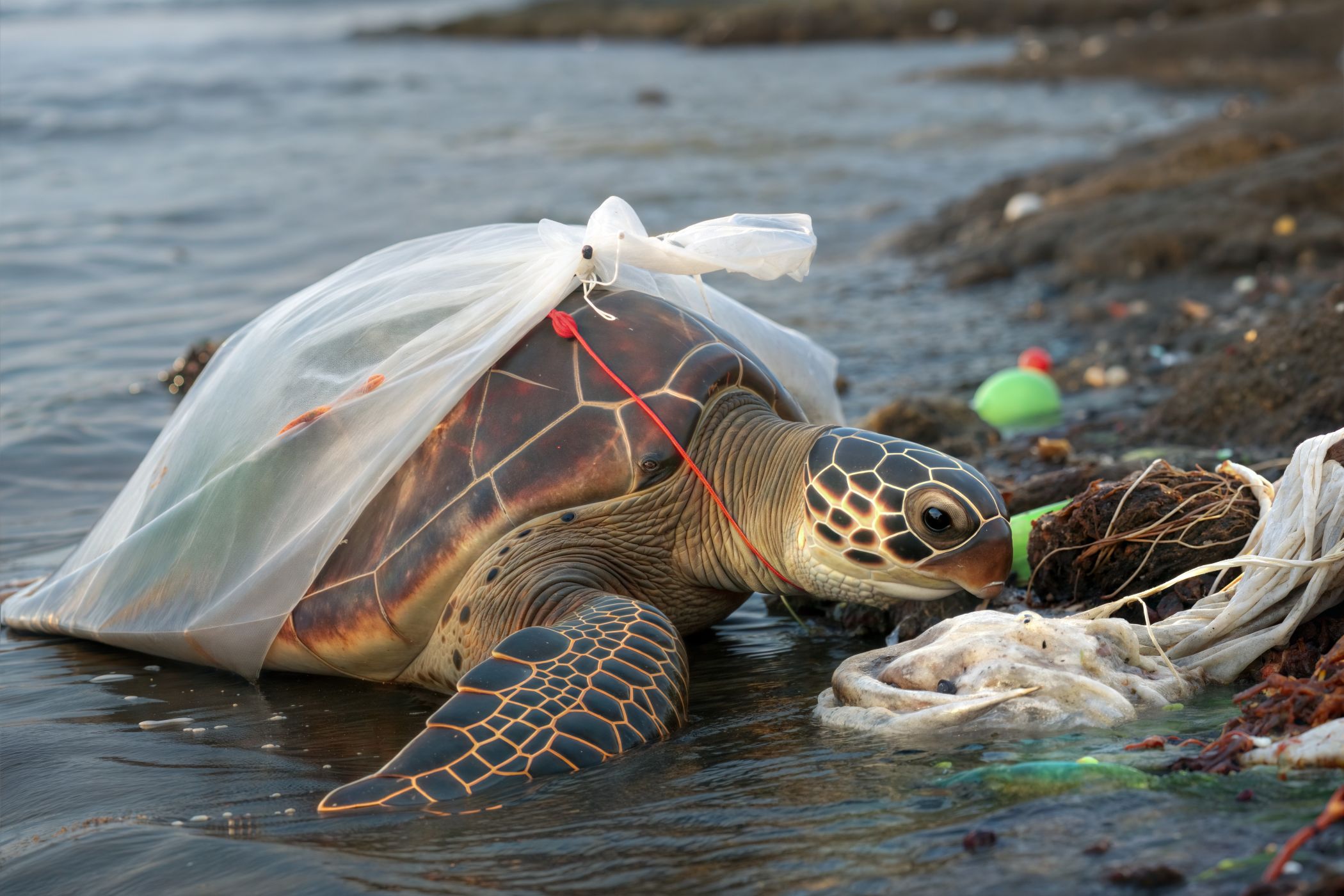
A study of 10,000 marine animal necropsies reveals that one-third of birds and nearly half of turtles had ingested macroplastics

According to a study compiling data from 10,000 marine animal necropsies, 35% of birds, 12% of mammals, and 47% of turtles examined had ingested macroplastics, causing death in 1.6%, 0.7%, and 4.4% of these animals, respectively. The types of plastic that pose the greatest risk are rubber for birds, soft plastics and fishing debris for mammals, and hard and soft plastics for sea turtles, concludes this study published in PNAS.


0

The illegal trade of four protected shark species continues despite regulations

Since 2013, undeclared and uncertified exports of fins from five overexploited shark species have been illegal. Now, an international team has determined that illegal fins from four of those species remained prevalent in the market between 2015 and 2021. Among the countries cited as potential violators are Spain, China, and Taiwan. The study is published in the journal Science Advances.

0

The climate crisis could reduce the population of an important oxygen-producing marine bacterium by up to 50%

The cyanobacterium Prochlorococcus, the smallest and most abundant photosynthetic organism on Earth, is an important producer of oxygen and is crucial to marine ecosystems. A team from the United States has collected data from ships sailing the Pacific Ocean over a ten-year period and concluded that these cyanobacteria could experience population declines of between 17% and 51% in tropical oceans by the year 2100, depending on the warming scenario. The results, which are the product of modeling work, are published in the journal Nature Microbiology and indicate that this microorganism is more vulnerable to climate change than previously thought.

0

High concentrations of nanoplastics found in Atlantic Ocean

Most research on the presence of plastics in the seas has focused on macro- and microplastics. Now, an international team has analyzed the presence of nanoplastics - smaller in size - in different locations and depths of the North Atlantic Ocean, including areas near the European coasts. The results suggest that these may account for the majority fraction of the total mass of plastic in the oceans and that the total mass of marine plastic may be greater than previously thought. The work is published in the journal Nature

0

A collapse of the AMOC in this century is unlikely, says modelling study

The Atlantic Ocean's main current system - the AMOC - could weaken without collapsing this century, according to modeling published in Nature. This finding contradicts earlier studies that predicted the collapse of the AMOC around 2050. The research uses models that include extreme changes in greenhouse gas concentrations and freshwater levels in the North Atlantic. This system of ocean currents is involved in regulating global temperatures.

0

Study shows bottom fishing reduced by 81% in protected deep-sea ecosystems, but infringements continue

Since the implementation of protective closures in 2022, bottom fishing in European waters has declined by 81% in 87 vulnerable marine ecosystems located at depths of 400-800 metres, a study published in Science Advances reveals. However, according to the authors, these deep-water regions continued to receive many incursions by Spanish and French vessels.

0

Last round of plastics treaty talks ends without agreement

The fifth session of the United Nations Intergovernmental Negotiating Committee to develop an international legally binding instrument on plastic pollution (INC-5) ended without a treaty in Busan, South Korea, in the early hours of the morning. The more than 100 countries participating in what was to be the final round of negotiations have agreed to continue negotiating, reports Reuters.

0