Press Offices

Press Offices

SMC Spain amplifies the voices of experts on current topics that provoke controversy. 

¿Qué me ofrece?

The sources that collaborate with SMC Spain will multiply their national and international media impact. Register your office to become part of a directory on this website that journalists can consult. Our guides on communication and science can help you in your daily work.

Icono
Cómo trabajamos

We will rely on you when we contact sources from your organization or when we organize briefing sessions with them. We will provide you with support resources to facilitate your work. You can learn more about our method here

Título qué me ofrece
What We Offer You
Título cómo trabajamos
How We Work

A genetic variant has been discovered that increased height and accelerated metabolism in modern humans

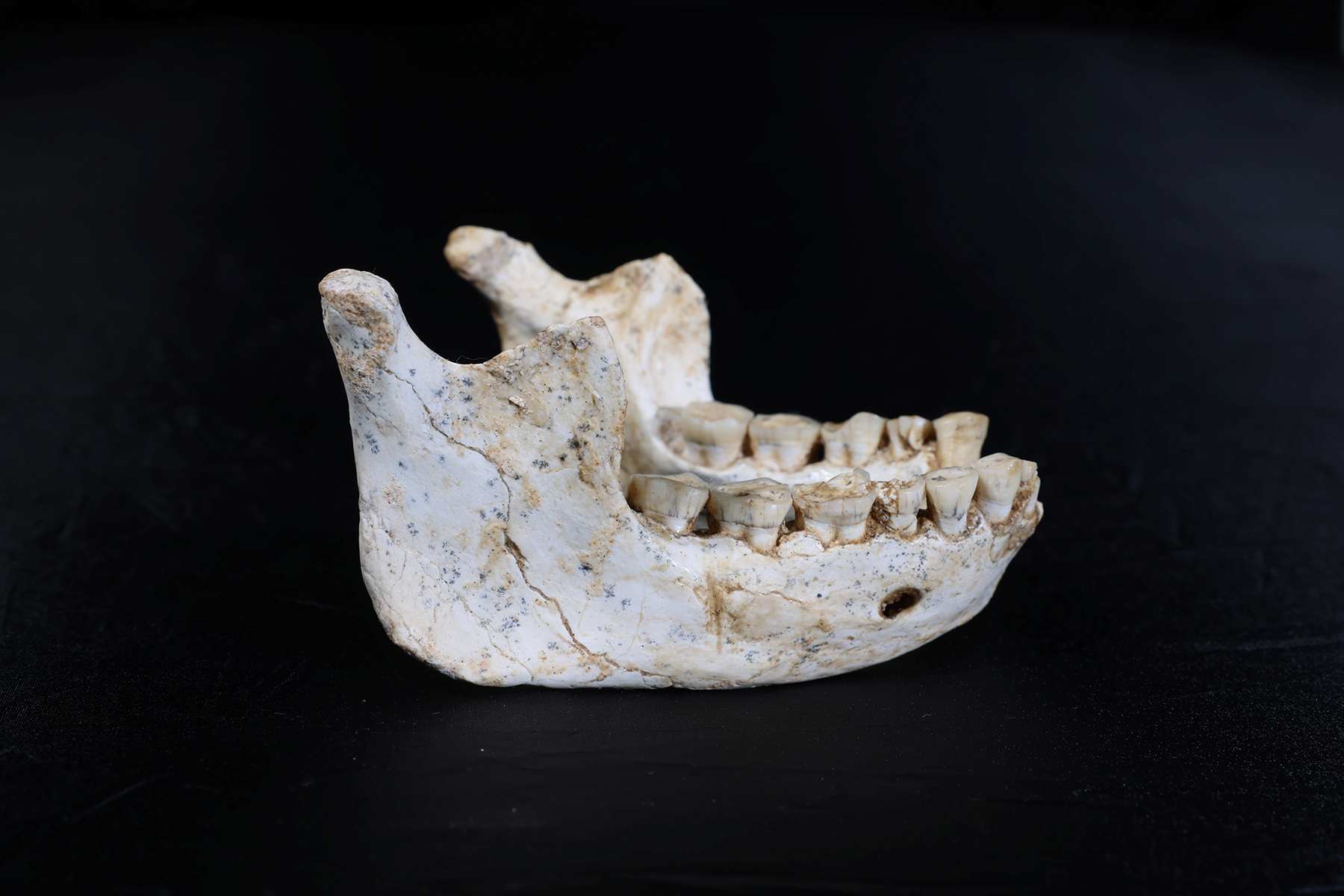
A team from China has analysed the genetic data of more than 450,000 people and identified a variant in a gene that contributed to increased height and basal metabolic rate in modern humans, especially when meat consumption increases. In addition to providing insight into evolutionary processes, the finding ‘also has important implications for understanding susceptibility and resistance to contemporary metabolic disorders such as type 2 diabetes, obesity and metabolic syndrome,’ according to the authors. The results are published in the journal Cell Genomics.

0

Cases of skin cancer in people over the age of 65 will increase in the coming decades

Research analyzing data from more than 200 countries concludes that people over the age of 65 will face an increase in skin cancer cases over the next two decades. The study, published in JAMA Dermatology, used data from 1990 to 2021 and made estimates through 2050. Men and people living in countries with higher sociodemographic indices showed a higher incidence.

0

Detected patterns of change in blood cells with age, which could be used to develop anti-ageing therapies

A technique developed under the coordination of researchers from the Centre for Genomic Regulation (CRG) and the Institute for Biomedical Research (IRB) in Barcelona has made it possible to track methylation patterns or “barcodes” in blood cells and construct their epigenetic family tree. This has enabled them to trace their evolution and changes with age, which could be useful for disease prevention and for the study or even development of specific therapies against ageing. The results are published in the journal Nature.

0

By 2030, half of all adolescents will be at risk of experiencing poor health, including mental health issues and being overweight

By 2030, there will be more than 1 billion adolescents (aged 10 to 24) living in countries facing preventable and treatable health issues. This figure represents half of the world’s adolescent population, according to a new analysis by the Lancet Commission on adolescent health and well-being. Among these health issues, the study highlights HIV/AIDS, early pregnancies, risky sexual behavior, depression, poor nutrition, and injuries.

0

Cold sores infections are associated with an increased risk of Alzheimer's disease

A US study analysing data from nearly 700,000 people concluded that those with a history of herpes simplex virus (HSV-1) infections were at greater risk of developing Alzheimer's disease. The study, published in BMJ Open, also showed that patients with this virus who used anti-herpes treatments were less likely to develop the disease.

0

In online debates, GPT-4 can be more persuasive than humans

In online debates, Large Language Models (LLMs, i.e. Artificial Intelligence systems such as ChatGPT) are more persuasive than humans when they can personalise their arguments based on their opponents’ characteristics, says a study published in Nature Human Behaviour which analysed GPT-4. The authors urge researchers and online platforms to ‘seriously consider the threat posed by LLMs fuelling division, spreading malicious propaganda and developing adequate countermeasures'.

0

An article analyses the ethical challenges of extinguishing species through genetic modification

New gene editing technologies, such as gene drive tools, open the door to deliberately extinguishing species. An analysis article published in Science examines the ethical implications of this possibility based on three specific examples: the eradication of rats, the cattle barren worm, and the Anopheles gambiae mosquito, which transmits malaria. The analysis attempts to answer the question: ‘When and under what circumstances could the intentional eradication of a species be justified?".

0

CRISPR used for the first time to treat a rare metabolic disease in a baby

A team from the Children's Hospital of Philadelphia and Penn Medicine (United States) has successfully treated a baby diagnosed with a rare genetic disorder using personalised CRISPR gene editing therapy. The baby, known only by the initials KJ, was born with a rare metabolic disease known as severe carbamoyl phosphate synthetase 1 (CPS1) deficiency. After spending the first months of his life in hospital on a very restrictive diet, KJ received the first dose of his tailored therapy in February 2025, between six and seven months of age. The treatment, which is being used for the first time for this type of disorder, was administered safely, and the baby is now growing well and improving. The case is detailed in a study published by The New England Journal of Medicine (NEJM).

0

Mindfulness-based cognitive therapy effective in treating depression, says UK study

Research involving more than 200 patients with depression, whose symptoms had not improved after NHS talk therapy shows that those who took part in eight group sessions of mindfulness-based cognitive therapy saw their depressive symptoms reduced, compared with those who received treatment as usual. The study is published in The Lancet Psychiatry.

0