A meta-analysis concludes that intravenous ketamine is effective in reducing depressive and suicidal symptoms in patients with major depression
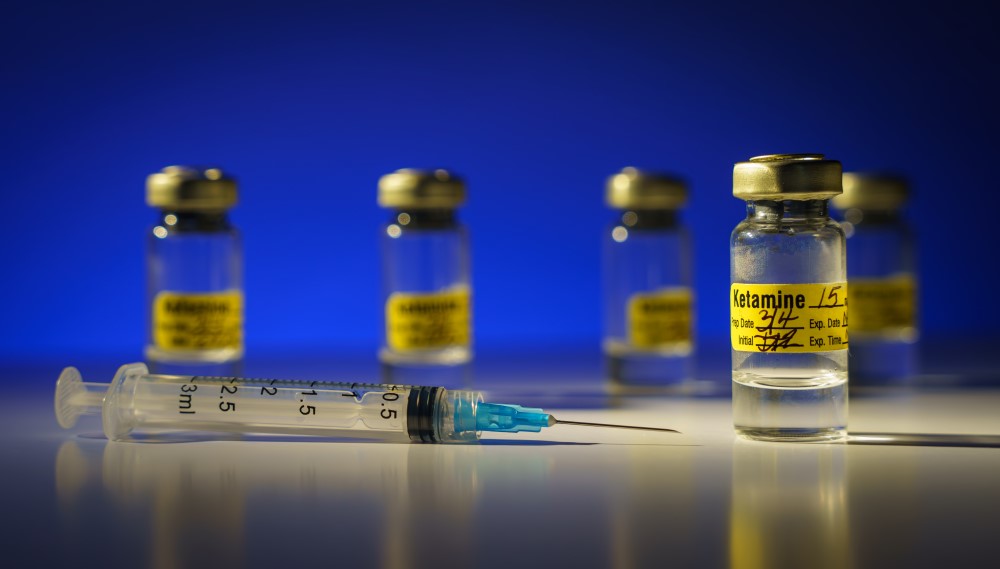
Single and repeated intravenous ketamine infusions are effective in reducing suicidal and depressive symptoms in patients with an acute episode of major depression. These are the main conclusions of a systematic review and meta-analysis published today in the journal JAMA Psychiatry, which also notes that long-term outcomes are not well established.
0