Press Offices

Press Offices

SMC Spain amplifies the voices of experts on current topics that provoke controversy. 

¿Qué me ofrece?

The sources that collaborate with SMC Spain will multiply their national and international media impact. Register your office to become part of a directory on this website that journalists can consult. Our guides on communication and science can help you in your daily work.

Icono
Cómo trabajamos

We will rely on you when we contact sources from your organization or when we organize briefing sessions with them. We will provide you with support resources to facilitate your work. You can learn more about our method here

Título qué me ofrece
What We Offer You
Título cómo trabajamos
How We Work

Gene therapy is effective long-term in children with a serious rare disease

Severe combined immunodeficiency due to ADA enzyme deficiency is a rare disease that, without treatment, usually causes death within the first two years of life. These "bubble children" are currently treated with a bone marrow transplant or with injections that aim to restore, to the extent possible, the function of this enzyme. Now, an international team presents the results of a gene therapy administered to 62 children with the disease between 2012 and 2019. The therapy was effective in 95% of cases and did not cause serious complications, according to the authors, whose work is published in the journal NEJM

0

Two areas of the brain 'disconnect' in women with post-traumatic stress following sexual assault

In women suffering from post-traumatic stress disorder (PTSD) after experiencing sexual assault, the connectivity between two areas of the brain within the fronto-limbic system is altered, according to a study presented at the European College of Neuropsychopharmacology conference held in Amsterdam (Netherlands). The study, led by a researcher at Hospital Clínic in Barcelona, compared brain images of 40 women with PTSD following a recent sexual assault and 45 control cases. In 22 of these 40 women, communication between the amygdala—which helps process emotions such as fear—and the prefrontal cortex—which helps regulate those emotions—had almost completely disappeared.

0

Only 54% of electronic waste is collected correctly in Europe

In 2050, the total volume of waste electrical and electronic equipment in Europe will reach between 12.5 and 19 million tonnes, compared to 10.7 million tonnes – around 20 kilograms per person – in 2022, according to the report 2050 Critical Raw Materials Outlook for Waste Electrical and Electronic Equipment. Of this volume, only 54% was collected and treated correctly in 2022. Furthermore, of the one million metric tonnes of critical raw materials such as copper, aluminium and silicon present in this waste, less than half was successfully recovered, according to the report's estimates.

0

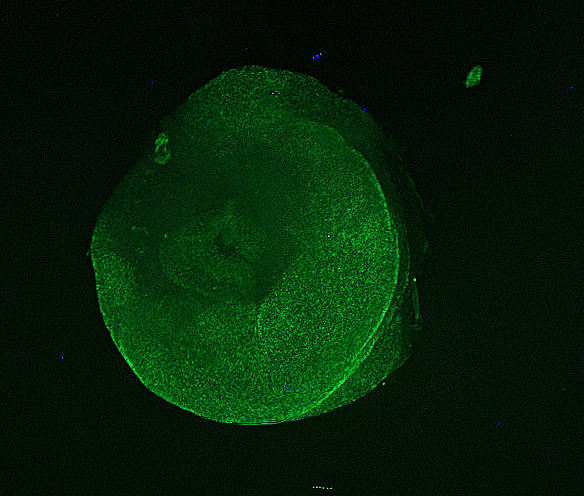
Laboratory embryo models developed that produce blood cells

A team led by the University of Cambridge (UK) has used human stem cells to produce three-dimensional embryo-like structures that replicate certain aspects of early development, including, they say, the production of blood stem cells. They have called these structures “hematoids” and, according to the university press release, “they offer great potential for better understanding blood formation during the earliest stages of human development, for simulating disorders such as leukemia, and for producing long-lived blood stem cells for transplantation.” The results are published in the journal Cell Reports. 

0

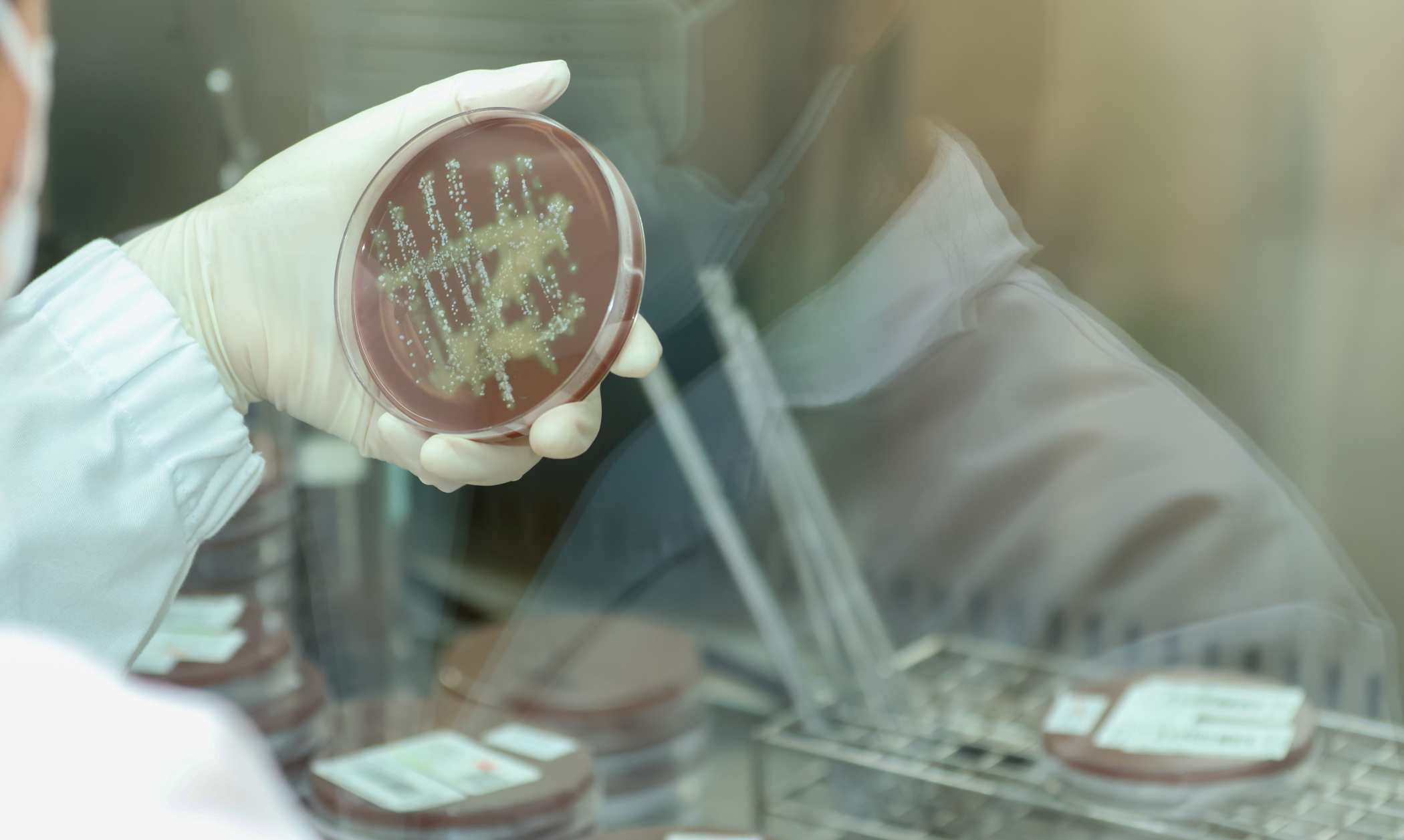
A WHO report warns that one in six confirmed bacterial infections in 2023 was resistant to antibiotics

In 2023, one in six laboratory-confirmed bacterial infections were found to be resistant to antimicrobials, according to a report published by the World Health Organisation (WHO). Between 2018 and 2023, resistance increased in more than 40% of monitored antibiotics, which ‘is limiting empirical treatment options and driving a shift from oral to intravenous treatments, including greater reliance on second-line and last-resort antibiotics,’ the report warns. For example, globally, nearly 45% of Escherichia coli bacteria are resistant to third-generation cephalosporins, a proportion that varies from 20% in Europe to more than 70% in Africa.

0

Warm-water coral reefs pass their point of no return

Extensive warm-water coral reefs are facing widespread mortality and, unless global warming is reversed, will be lost, warns the report Global Tipping Points 2025. This is the first tipping point reached by the Earth system, the first in a series of tipping points that will cause ‘catastrophic’ damage—melting ice sheets, death of the Amazon rainforest, and collapse of vital ocean currents—unless humanity takes urgent action. The report also identifies positive tipping points that have been crossed on a global scale, for example in the area of solar energy and the adoption of electric vehicles.

0

Global mortality rates are declining, but are rising among young people in some regions

According to the Global Burden of Disease study, and despite deep inequalities between countries, global life expectancy in 2023 was more than 20 years higher than in 1950. However, deaths among young people increased in some regions such as North America, Latin America—due mainly to suicide and drug use—and sub-Saharan Africa—mainly due to infectious diseases and injuries. Researchers also estimate that almost half of all deaths and disabilities could be prevented by modifying some of the main risk factors. The results are published in The Lancet and will be presented at the World Health Summit, being held in Berlin, Germany, from October 12 to 14.

0

Attitudes influence energy savings at home more than income, according to a study

A team conducted a meta-analysis of 100 studies, including more than 430,000 participants from 42 countries, to understand what factors drive energy-saving habits in homes. Their conclusions are that attitudes and moral sentiments are more influential than socioeconomic factors such as education and income level, which were barely related to energy-saving behaviors. According to the authors, who publish the results in the journal Cell Reports Sustainability, "the research suggests that exploring these deeper psychological factors is a way to get as many people as possible committed to saving energy."

0

New clues to ovarian ageing discovered

The decline in egg quality has been considered the main cause of declining fertility with age. A new study published in Science shows that the cells and tissues surrounding the oocytes within the human ovary also play a crucial role. They identified 11 types of cells in the ovaries, including nervous system cells, that influence follicle development. In addition, they have discovered that oocytes are grouped into “pockets” within the ovary and that the density within these pockets declines over the years. 

0

A modified pig liver was transplanted into a living person for the first time

A team from China has reported the results of the first liver transplant from a pig to a living human. Earlier this year, a procedure that served as a proof of concept was published, but it was performed on a brain-dead person. In this case, after modifying 10 genes in the porcine liver, an auxiliary transplant—not removing the entire organ—was performed on a 71-year-old patient with cirrhosis and liver cancer. It worked well for the first month, but on day 38, the graft had to be removed due to the development of complications, and the patient died on day 171. According to the researchers, who published the case in the Journal of Hepatology, this is "a fundamental step that demonstrates both the promise and the obstacles that remain to be overcome".

0