Press Offices

Press Offices

SMC Spain amplifies the voices of experts on current topics that provoke controversy. 

¿Qué me ofrece?

The sources that collaborate with SMC Spain will multiply their national and international media impact. Register your office to become part of a directory on this website that journalists can consult. Our guides on communication and science can help you in your daily work.

Icono
Cómo trabajamos

We will rely on you when we contact sources from your organization or when we organize briefing sessions with them. We will provide you with support resources to facilitate your work. You can learn more about our method here

Título qué me ofrece
What We Offer You
Título cómo trabajamos
How We Work

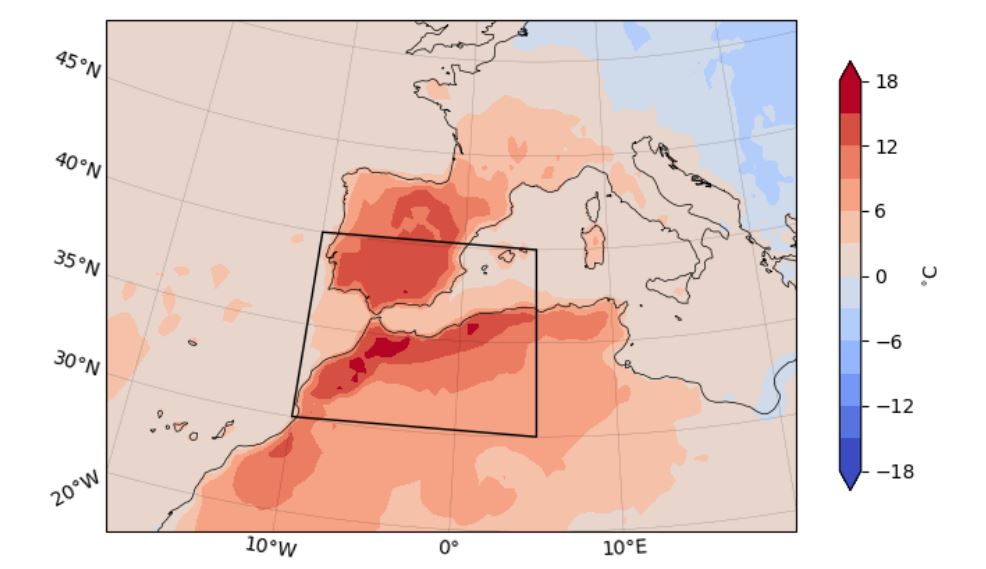
Reaction to study claiming that the frequency of heatwaves will increase this century

Research estimates that the rise in global average temperatures could approach 2 ˚C by 2050. The study, published in Communications Earth and Environment, estimates that by 2100 many people living in tropical regions will be exposed to dangerously high levels of heat on most days of the year. In addition, deadly heatwaves, which are currently rare in mid-latitudes, could occur every year in these areas.

Reaction to the study analysing the effectiveness of Paxlovid against the omicron variant

A study published in the New England Journal of Medicine has analysed the effectiveness of the antiviral drug Paxlovid after implantation of the omicron variant. The relative risk of severe disease decreased markedly in patients over 65 years of age, both vaccinated and unvaccinated. No differences were found in those under 65 years of age.

A roadmap for the sustainable development of Mar Menor

It is one year since the last episode of dead fish in the Mar Menor and six years since its collapse in 2016.  In the European project COASTAL we propose 14 solutions for the sustainable development of the Mar Menor and Campo de Cartagena in collaboration with representatives of the agriculture, tourism, fishing, salt marshes, public administrations, NGOs and research sectors.

1

Reaction to study associating skipping breakfast or eating breakfast away from home with increased risk of psychosocial problems in childhood and adolescence

Using data from the 2017 National Health Interview Survey, researchers show that children and adolescents (aged 4-14 years) who skip breakfast or eat it away from home are more likely to have psychosocial behavioural problems. The research is published in the journal Frontiers in Nutrition.

Reaction to study linking freedom of school choice to racial segregation

Research published in PNAS shows how, in a sample of more than 1,600 racially diverse (black and white) parents in the United States, freedom of school choice, regardless of the presence of students of other ethnicities, also increases segregation. The authors attribute this to different preferences between black parents, who favour higher school ratings, and white parents, who prefer proximity to the school.

What we know about the decision to change the mode of administration of the smallpox vaccine to allow more people to be vaccinated

The European Medicines Agency (EMA) has authorised the administration of monkeypox vaccine intradermally rather than subcutaneously. This will allow more people to be vaccinated in the absence of doses, but effectiveness and safety data are limited. The Public Health Commission has decided to follow this strategy except for pregnant women and immunocompromised persons. 

The situation of women researchers in the CSIC: lights and shadows

The report Women Researchers 2022 highlights the fact that the presence of women in decision-making positions and in scientific and innovative leadership at the CSIC has increased. Among the shadows, the persistent under-representation of women researchers and the difficulty in achieving a gender balance in all scientific ranks, especially in research professorships.

1

Reaction to study examining effectiveness of papillomavirus vaccine in the United States

In the United States, the human papillomavirus vaccine began to be recommended in 2006 for girls aged 9-26 years. A study published in the journal JAMA Health Forum concludes that the campaign significantly reduced the risk of HPV infection in vaccinated women. In addition, herd immunity reduced the likelihood of infection in unvaccinated women.