Press Offices

Press Offices

SMC Spain amplifies the voices of experts on current topics that provoke controversy. 

¿Qué me ofrece?

The sources that collaborate with SMC Spain will multiply their national and international media impact. Register your office to become part of a directory on this website that journalists can consult. Our guides on communication and science can help you in your daily work.

Icono
Cómo trabajamos

We will rely on you when we contact sources from your organization or when we organize briefing sessions with them. We will provide you with support resources to facilitate your work. You can learn more about our method here

Título qué me ofrece
What We Offer You
Título cómo trabajamos
How We Work

Reactions to study concluding that vitamin D supplementation does not reduce the risk of bone fracture in healthy adults

Research conducted on more than 25,800 healthy adults aged 50 and older in the United States concludes that taking vitamin D supplements does not reduce the risk of bone fractures. The study is published in The New England Journal of Medicine.

What is the status of Hipra's Spanish anticovid vaccine?

The European Medicines Agency (EMA) is still considering the approval of Hipra's SARS-CoV-2 vaccine. In mid-May, Hipra said it was ready to "have the vaccine available in a few days" following EMA approval, which it expected by the middle of this year, but which is being delayed until at least after July, as Elia Torroella, Hipra's R&D and Registration Director, explained at a breakfast briefing organised by the company today. 

Reactions: birds lose morphological diversity due to climate change

Climate change is causing a mass extinction of species, but for birds, this loss of biodiversity has wider implications. In research published in the journal Current Biology, researchers use statistical models to predict that this extinction will decrease morphological diversity among the remaining birds at a faster rate than species loss alone.

Reaction to a new intranasal HIV and SARS-CoV-2 vaccination device tested in animals

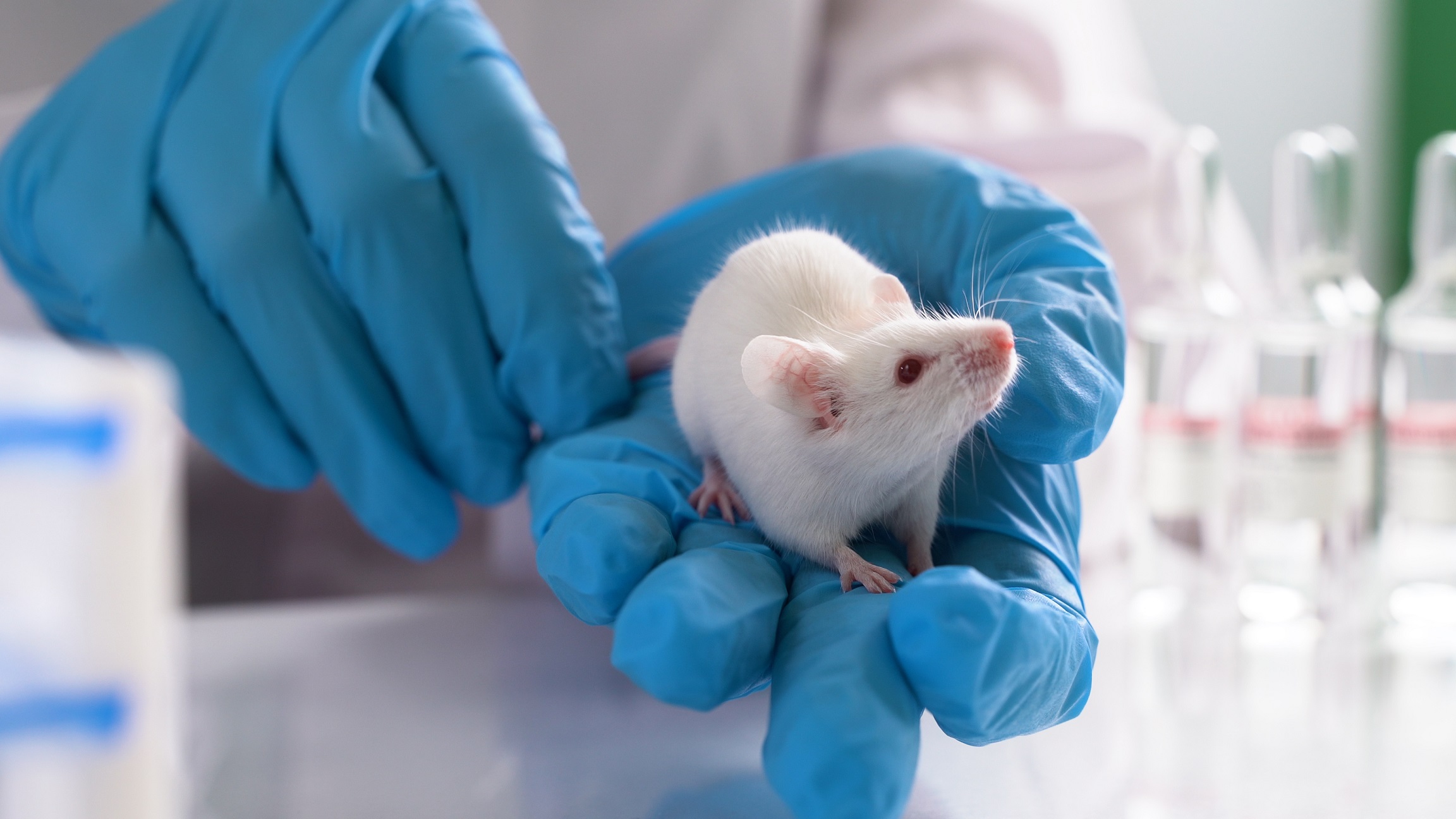
US researchers have designed an intranasal vaccination device that is capable of delivering immunising proteins through the mucosal surface. The research, published in Science Translational Medicine, shows that strong antibody responses against viruses such as HIV and SARS-CoV-2 have been achieved in mice and non-human primates.