Reaction to study claiming that toolmaking does not require cultural transmission in humans
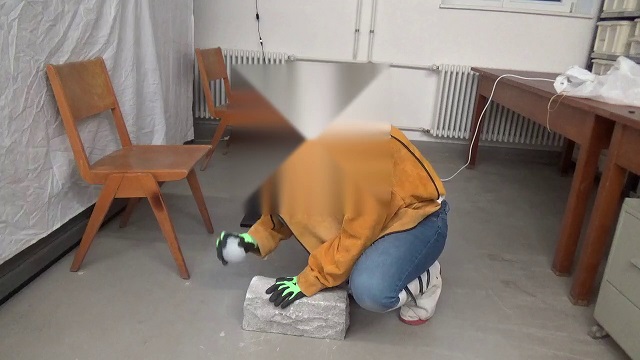
A study published today in the journal Science Advances shows that modern humans do not need cultural transmission to make primitive tools.
Covering current events in science, the environment, technology and health requires a context and reliable sources that respond quickly.
When science hits the headlines, we publish reactions, explanations, and in-depth analysis from reliable sources, capturing both the evidence and the debates. Our library of science journalism resources and the briefings may be of use to you. Consult our directory of research centres.
We are on the lookout for any controversial information about science (embargoed or not), in order to react with the agility the media needs. Sign up to receive our embargoed contents, all under the Creative Commons licence. Find out more about how we work here.
A study published today in the journal Science Advances shows that modern humans do not need cultural transmission to make primitive tools.

A study published today in the journal Nature shows that a brief online intervention can reduce stress in adolescents.
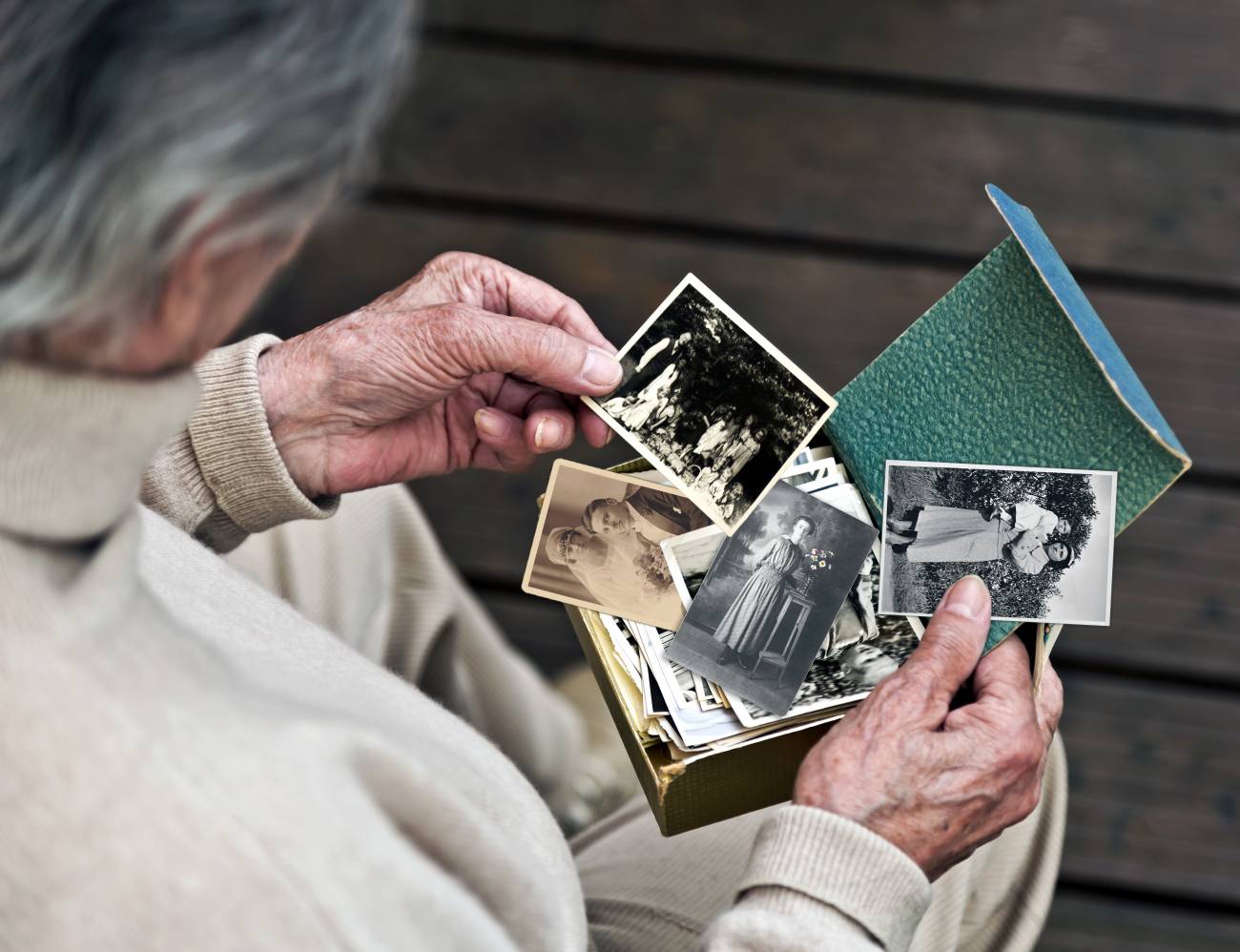
A study published today in the Journal of Neurology Neurosurgery & Psychiatry claims that some drugs used to treat attention deficit hyperactivity disorder (ADHD) may also help with some symptoms of Alzheimer's disease.
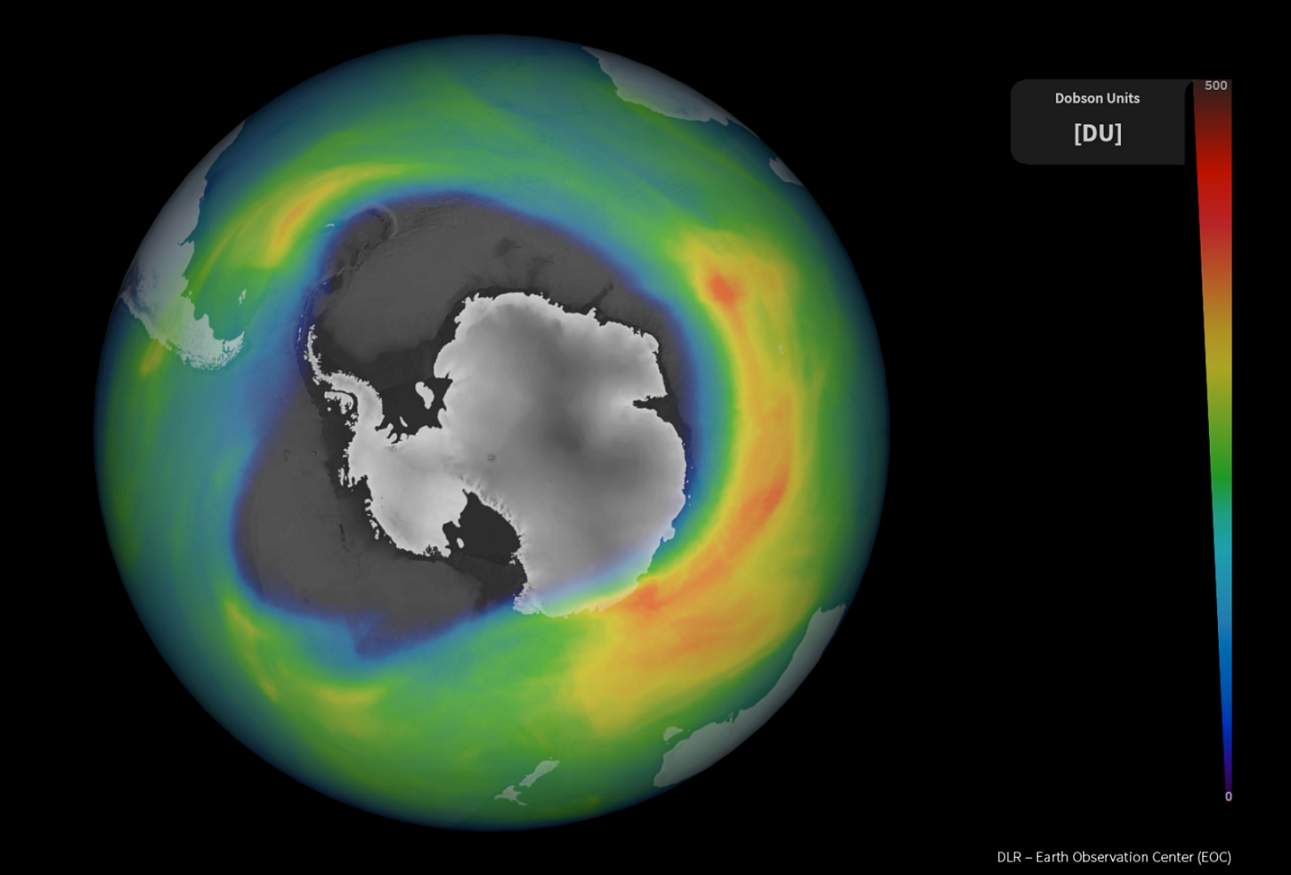
A publication in the journal AIP Advances reports the detection over the tropics of a large ozone hole, defined as an area where more than 25% of the usual ozone has been lost. The hole would be comparable in depth to the well-known hole over Antarctica, but would cover an area seven times larger.
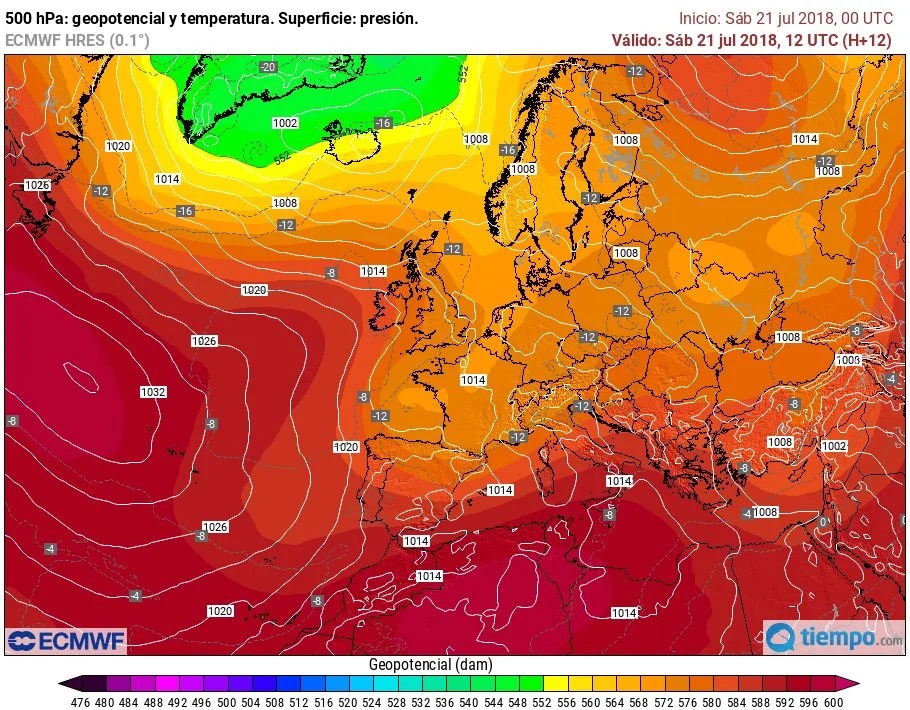
A study published in Nature Geoscience shows how climate change is interfering with processes affecting atmospheric circulation and significantly altering the climate in Spain and Portugal. The anomalous expansion of the Azores anticyclone is drying out the Iberian Peninsula and making it increasingly resemble North Africa.
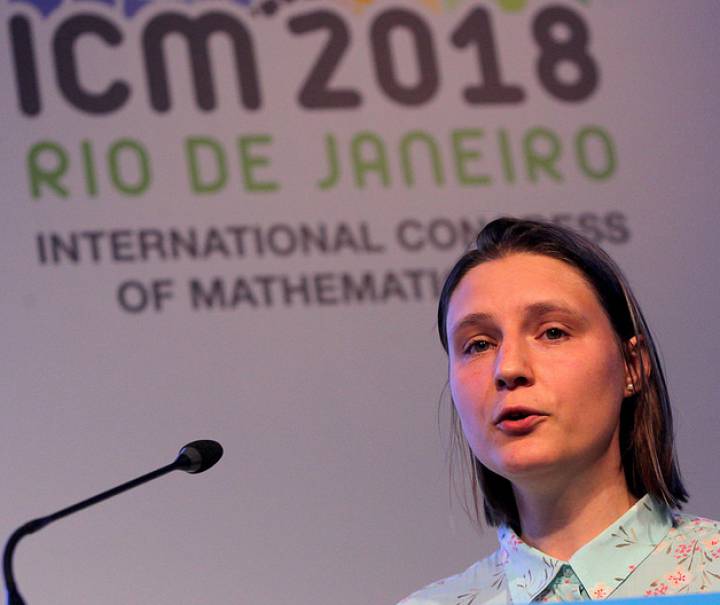
Ukrainian mathematician Maryna Viazovska was today awarded one of four Fields Medals, considered the Nobel Prize in mathematics. After Iran's Maryam Mirzakhan, who received it in 2014, she is the second woman to be honoured with this prestigious award.
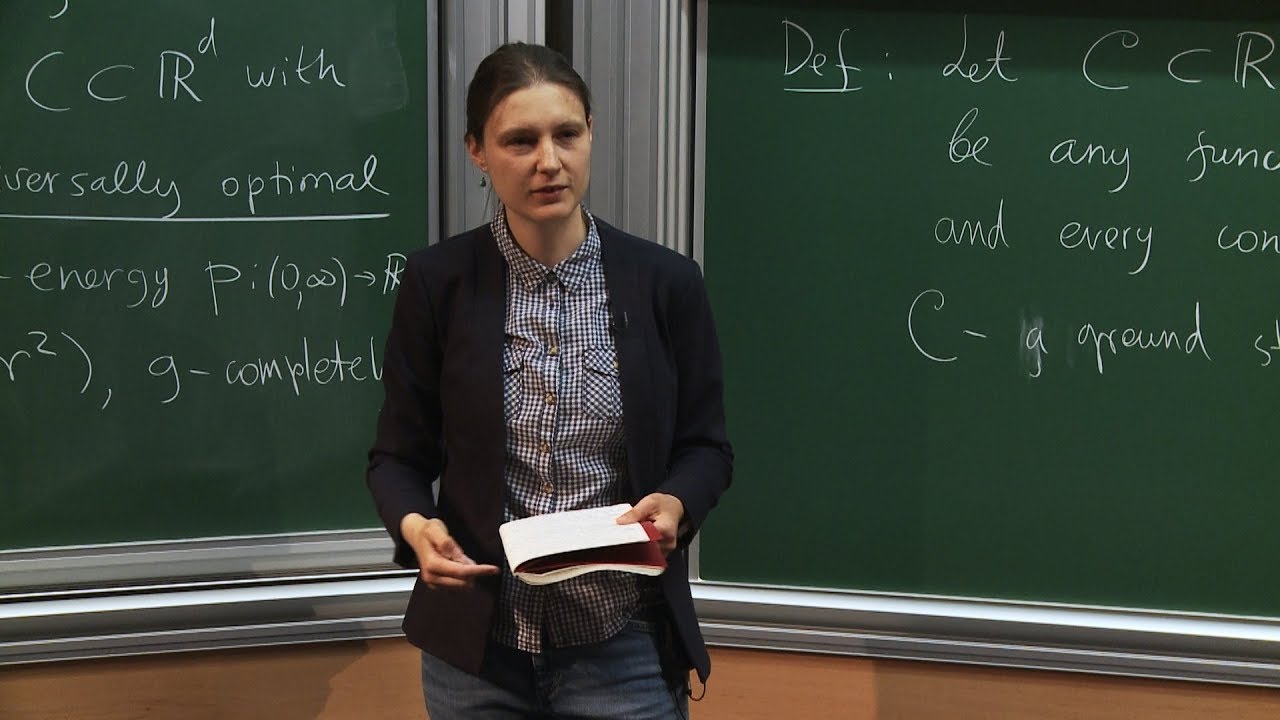
Mathematician Maryna Viazovska (Kiev, Ukraine; 1984) has today been awarded one of the four Fields Medals, considered the Nobel Prize in Mathematics. She is the second woman to be awarded this prize, after the Iranian Maryam Mirzakhan, who received it in 2014.
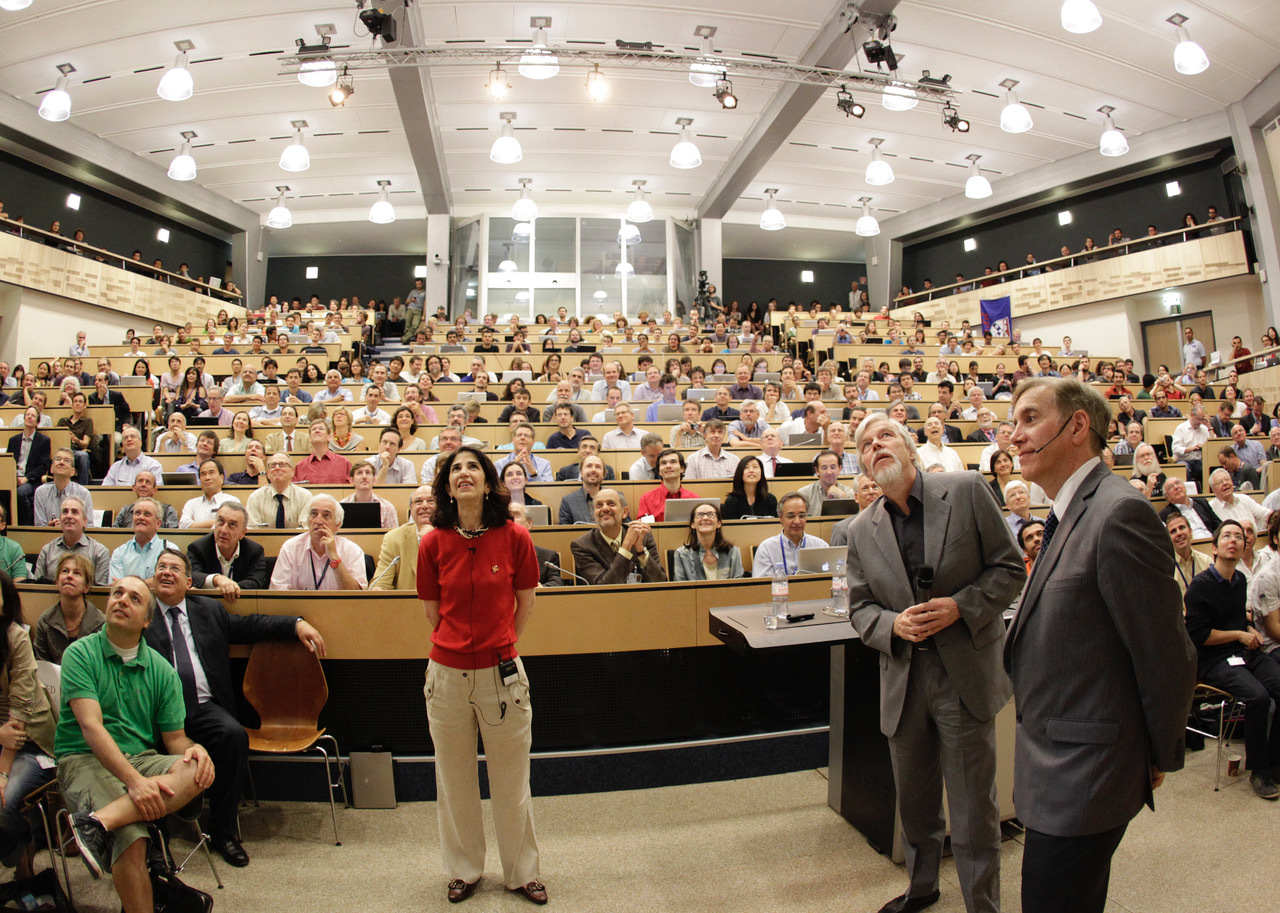
This week we celebrate not only the tenth anniversary of the discovery of the Higgs, but also Run 3: the Large Hadron Collider is back on line to collect a huge amount of data that opens the door to the discovery of new phenomena that could solve unsolved mysteries, such as understanding what makes up the dark matter that makes up 25% of the universe.
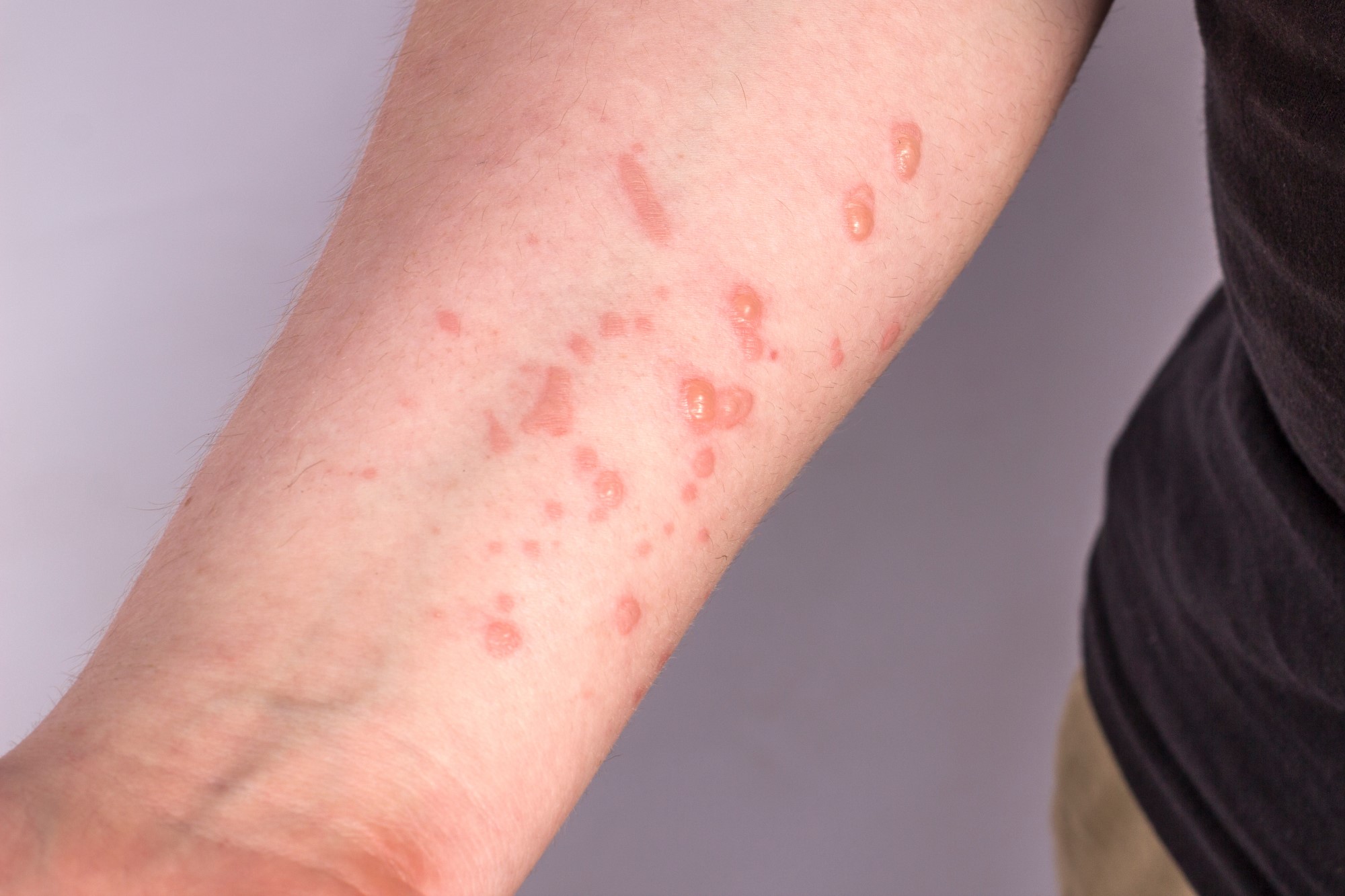
The first study of UK cases of the current monkeypox outbreak finds differences between the symptoms of these patients and those of previous outbreaks in other parts of the world. The work is published in the journal The Lancet Infectious Diseases.
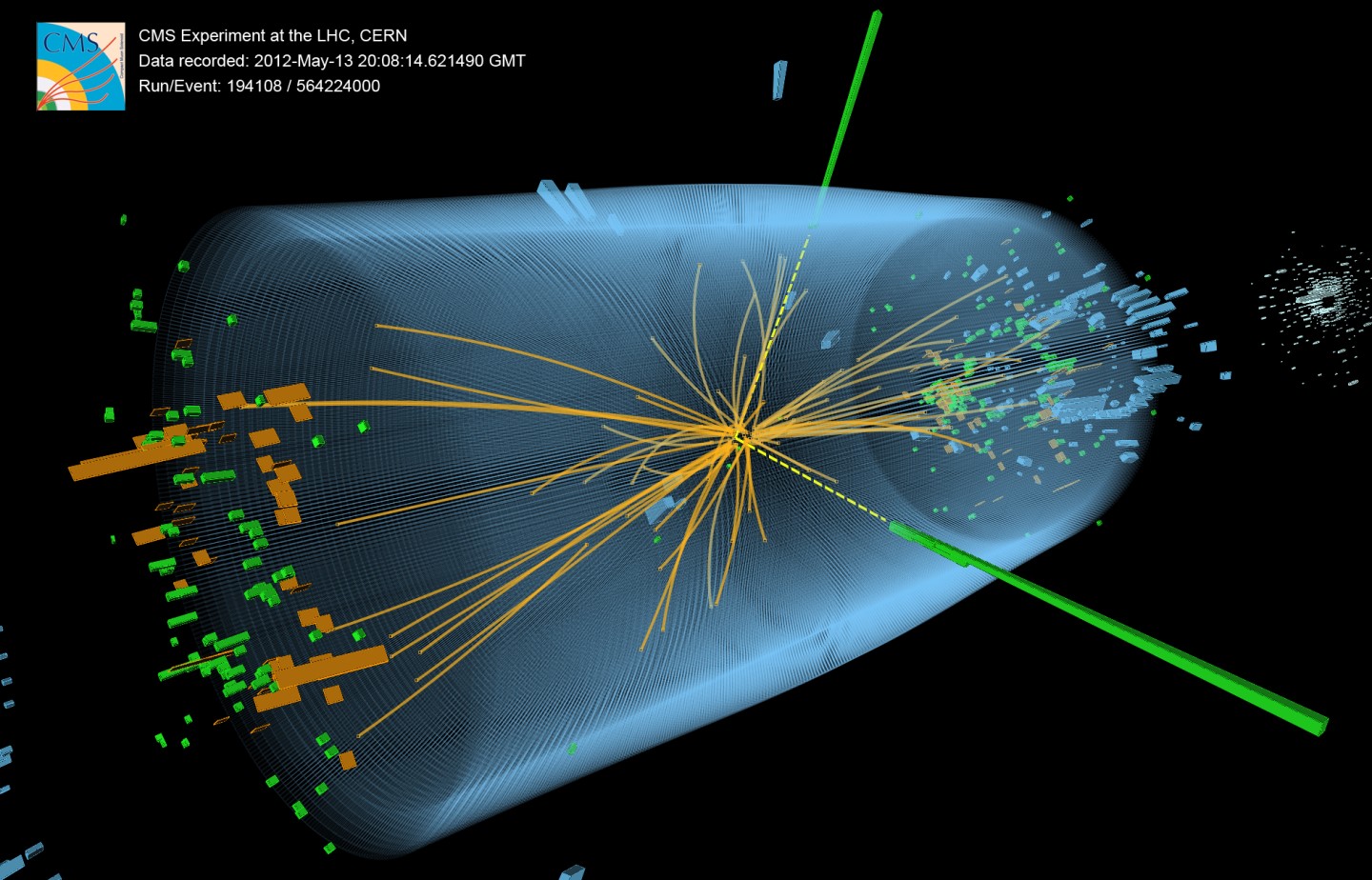
On 4 July 2012, physicists from all over the world celebrated the milestone achieved by CERN's Large Hadron Collider (LHC) in Geneva: they had found the elusive Higgs boson, described theoretically in 1964 and a key part of the standard model. Among the dozens of scientists who participated in that discovery, with the ATLAS and CMS experiments, there were many Spanish physicists, who ten years later appreciate what it meant.