Journalists

Journalists

Covering current events in science, the environment, technology and health requires a context and reliable sources that respond quickly.

¿Qué me ofrece?

When science hits the headlines, we publish reactions, explanations, and in-depth analysis from reliable sources, capturing both the evidence and the debates. Our library of science journalism resources and the briefings may be of use to you. Consult our directory of research centres.

Icono
Cómo trabajamos

We are on the lookout for any controversial information about science (embargoed or not), in order to react with the agility the media needs. Sign up to receive our embargoed contents, all under the Creative Commons licence. Find out more about how we work here.

Título qué me ofrece
What we offer you
Título cómo trabajamos
How we work

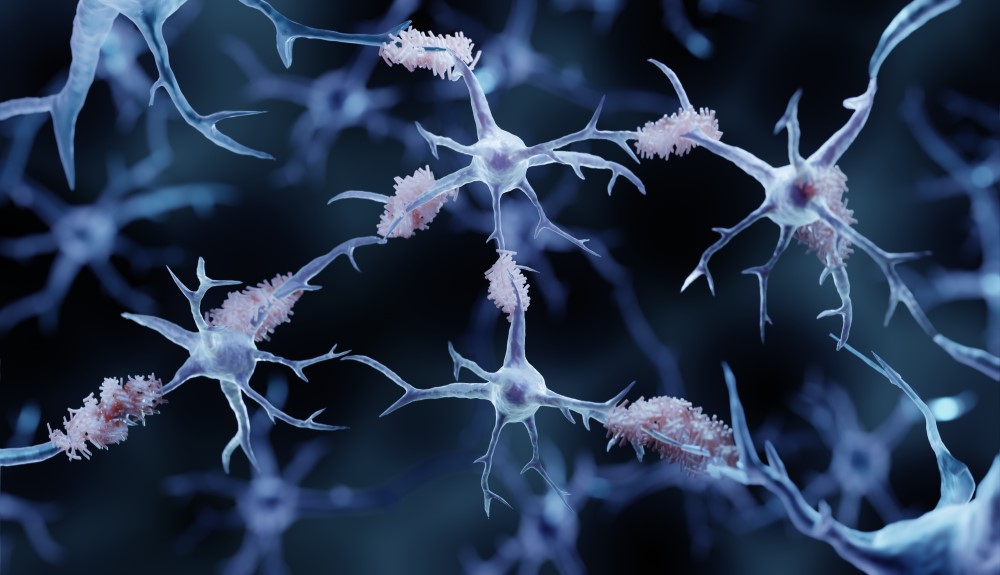
Reaction to method that could predict Alzheimer's risk before symptoms appear

Scientists have analysed data on 7.1 million common DNA variants (alterations in the standard sequence) in people with and without Alzheimer's disease. The results, published in PLOS Genetics, have helped them to develop a method that can predict the risk of suffering from this neurodegenerative disease, depending on the DNA variants that a person has and before presenting symptoms.

0

Reactions to study claiming three doses of covid-19 vaccines protect better than two

To estimate the effectiveness of two or three doses of vaccines against covid-19 infection and hospitalisation, researchers in Denmark conducted a study of all previously uninfected Danish residents aged 12 years and older. The conclusion of the research, which is published in PLOS Medicine, is that a third dose provided greater protection against infection and hospitalisation with omicron than two vaccines.

Reaction to study concluding that drinking black tea may be associated with lower mortality risk

Using data from the UK Biobank, where black tea consumption is common, researchers have examined whether its intake is associated with a lower risk of mortality. Participants who reported drinking two or more cups a day had a 9-13% lower mortality risk compared to non-tea drinkers. The results are published in the Annals of Internal Medicine.

The possible return to coal to replace gas for electricity production in Spain

A return to coal in Spain is not feasible in the short term, as many of the old thermal power plants have been dismantled. In the long term, the future of electricity production lies in renewable technologies, not only because of their environmental implications, but also because of energy independence with respect to third countries. In the short term, it is essential to continue using conventional technologies.

1