superbugs

superbugs

superbugs

A global study shows that almost all countries overuse antibiotics with a high potential to cause resistance
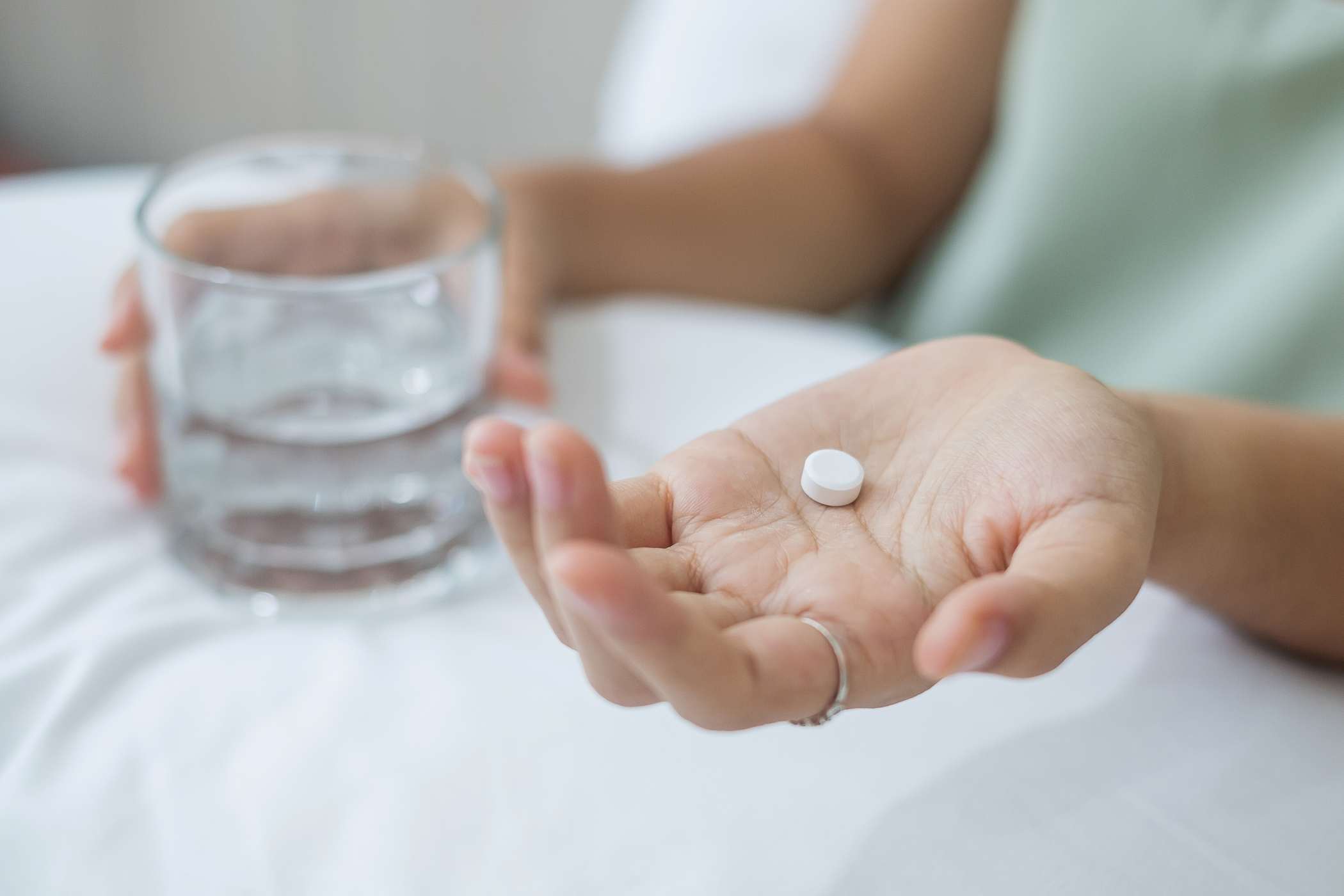
Most countries overuse antibiotics, particularly those with the greatest potential to cause resistance, according to a new study published in the journal The Lancet Public Health using data from 186 countries, including Spain. The study estimated optimal national levels of antibiotic use based on the World Health Organisation’s (WHO) AWaRe guidelines, which classify antibiotics into the ‘access’ group – first-line drugs, such as amoxicillin – the ‘caution’ group – more potent drugs with more restricted use – and the ‘reserve’ group – drugs of last resort, for resistant infections. Of the 67 regions with data on antibiotic use, 72 per cent used quantities exceeding those considered optimal, and 99 per cent overused antibiotics in the ‘caution’ group – those that contribute most to the development of resistance. High-income regions used fewer antibiotics than low- and middle-income regions.
0

A WHO report warns that one in six confirmed bacterial infections in 2023 was resistant to antibiotics

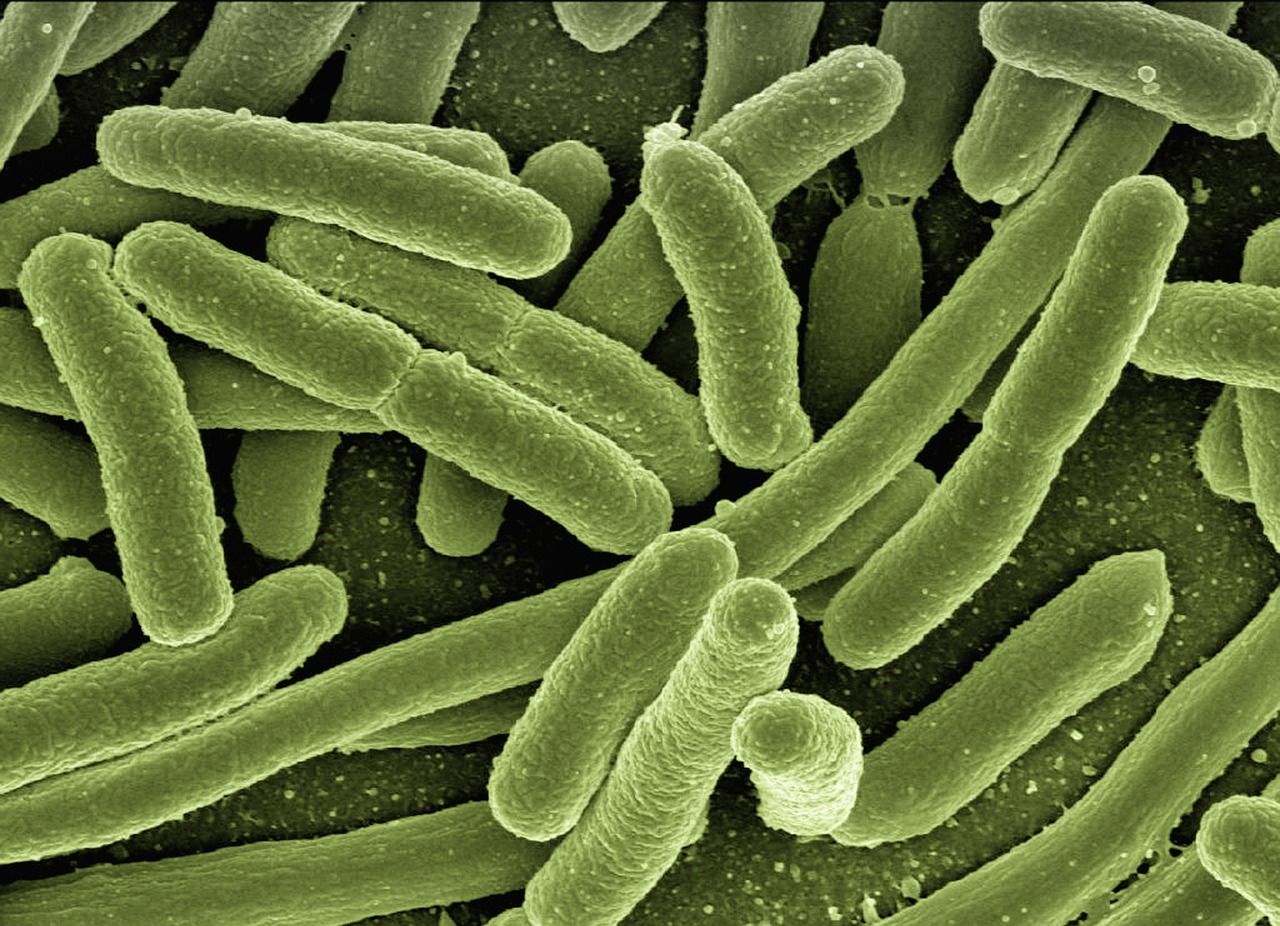
In 2023, one in six laboratory-confirmed bacterial infections were found to be resistant to antimicrobials, according to a report published by the World Health Organisation (WHO). Between 2018 and 2023, resistance increased in more than 40% of monitored antibiotics, which ‘is limiting empirical treatment options and driving a shift from oral to intravenous treatments, including greater reliance on second-line and last-resort antibiotics,’ the report warns. For example, globally, nearly 45% of Escherichia coli bacteria are resistant to third-generation cephalosporins, a proportion that varies from 20% in Europe to more than 70% in Africa.

0

Reaction: New synthetic antimicrobial developed that is effective against multidrug-resistant bacteria

Cresomycin, a new synthetic molecule, exhibits robust efficacy against multiple evolutionarily divergent forms of antimicrobial resistance (AMR), according to a study published today in Science. By structurally analyzing how antibiotics bind to ribosomes of various bacterial species, researchers developed a new antibiotic molecule that adopts the exact conformation necessary for ribosomal binding.

0

Reaction: plastic waste in rivers can act as reservoir of antibiotic resistance genes

Plastic debris in rivers harbours specific types of bacteria that are potentially pathogenic and may act as reservoirs of antibiotic-resistance genes, according to a study published in Microbiome, which analysed samples collected from the River Sowe in the UK. This mixture of bacteria is different from that found in surrounding water, but similar to that found on wooden surfaces. The team, which includes a Spanish author, highlights the presence of Pseudomonas aeruginosa, Acinetobacter and Aeromonas bacteria.

0

Reaction: antibiotic-resistant bacteria identified in meat sold in Oviedo supermarkets

A research team including scientists from the University of Santiago de Compostela and the Centro Tecnológico Agroalimentario de Lugo has analysed the presence of potentially pathogenic bacteria in 100 meat samples bought in supermarkets in Oviedo, Spain in 2020. The researchers found E. coli bacteria which produce enzymes that make the bacteria resistant to various types of antibiotics in more than half of the turkey (68 %) and chicken (56 %) samples, and less frequently in beef (16 %) and pork (12 %) samples. They also found E. coli bacteria that can cause urinary tract infections. The team presented these results at the European Congress of Clinical Microbiology and Infectious Diseases (ECCMID), which is being held in Copenhagen, Denmark, until 18 April. 

0

Reaction to WHO report warning of rising antibiotic resistance in bacterial infections

The World Health Organisation (WHO) has published a report with data reported by 87 countries in 2020 warning of increasing antibiotic resistance in bacterial infections in humans. The report shows resistance levels of more than 50 % in bacteria that frequently cause bloodstream infections in hospitals, such as Klebsiella pneumoniae and Acinetobacter spp

0

Reactions: one in eight deaths in 2019 were linked to bacterial infections

Bacterial infections were the second leading cause of death in 2019. This is according to research published in The Lancet, which estimates that one in eight deaths that year was associated with bacterial pathogens. Five of these - S. aureus, E. coli, S. pneumoniae, K. pneumoniae and P. aeruginosa - accounted for more than half of all bacteria-related deaths.

0

Reactions: sales of antibiotics for animal use have fallen by almost 50 % in the last ten years

The EMA's annual European Surveillance of Veterinary Antimicrobial Consumption (ESVAC) report shows that sales of antibiotics for animal use have decreased by 47% between 2011 and 2021. In addition, sales of antibiotics considered "critically important" for use in humans have also decreased.

0