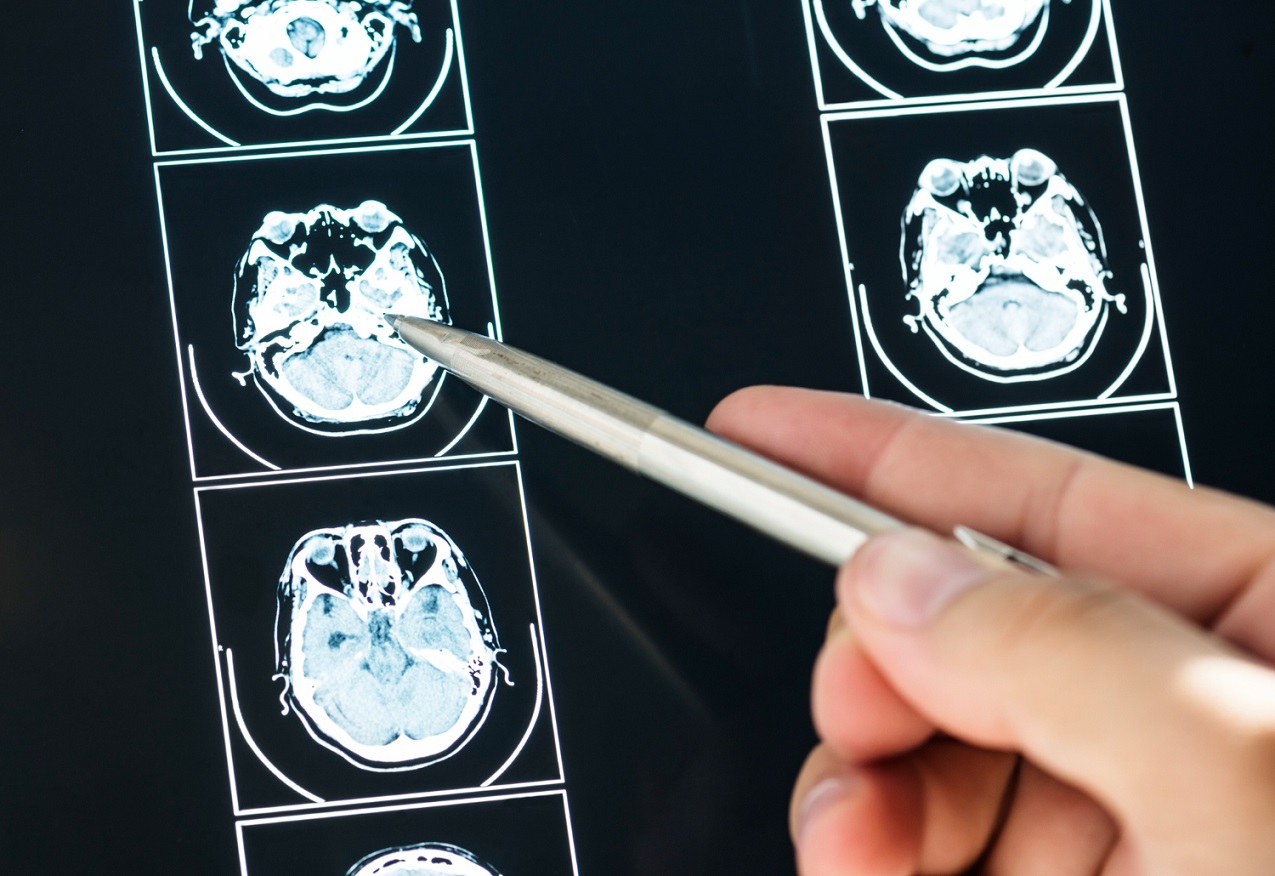
Reactions to study testing gene therapy in mice to treat epilepsy
Research has tested a gene therapy method that targets overactive cells to treat epilepsy in mice. The results are published in the journal Science.
Covering current events in science, the environment, technology and health requires a context and reliable sources that respond quickly.
When science hits the headlines, we publish reactions, explanations, and in-depth analysis from reliable sources, capturing both the evidence and the debates. Our library of science journalism resources and the briefings may be of use to you. Consult our directory of research centres.
We are on the lookout for any controversial information about science (embargoed or not), in order to react with the agility the media needs. Sign up to receive our embargoed contents, all under the Creative Commons licence. Find out more about how we work here.
Research has tested a gene therapy method that targets overactive cells to treat epilepsy in mice. The results are published in the journal Science.
A panel of 386 academics, led by ISGlobal (Barcelona), has established a series of recommendations to end the threat of covid-19 following the Delphi method, a prospective technique based on the search for consensus among a group of experts. The results are published in the journal Nature.
A study has associated the consumption of a high-fat diet in pregnant primates with alterations in the development of immune cells in the bone marrow of the foetuses. The results are published in the journal Stem Cell Reports.
A phase 2 clinical trial has examined the use of the hallucinogen psilocybin in different amounts for the treatment of resistant depression. The results are published in the New England Journal of Medicine.
A study published today in Science Advances describes the case of a person who in less than 40 years of life has developed twelve tumours, five of them malignant, due to inherited mutations in a gene. The research reveals that his immune system has naturally generated an altered inflammatory response that fights tumours. Understanding the mechanism will be useful to stimulate this type of response in other cases, according to the CNIO authors of the study.
In the midst of an energy, economic and geopolitical crisis, and still in a pandemic, the Climate Summit in Egypt (COP27) will kick off on 6 November with the challenge of bringing the climate fight to the forefront. We explain the main stumbling blocks, the unfinished business from the previous summit and the goals it has set itself.
The WHO has published the first list of priority fungal pathogens, which affect more than 300 million people and kill at least 1.5 million people every year. However, funding to control this scourge is less than 1.5 % of that devoted to infectious diseases.
A study published in Science Advances estimates that economic losses due to heatwaves caused by climate change between 1992 and 2013 exceeded $5 trillion. Moreover, lower-income countries were more affected than richer regions.
A systematic review and meta-analysis published in JAMA Network Open examines whether there is an association between newborn exposure to SARS-CoV-2 and impaired neurodevelopment compared to those born before the pandemic. Neurodevelopment in the first year of life was not modified by being born or growing up during the covid-19 pandemic or by gestational exposure to SARS-CoV-2. However, the authors appreciated that, regardless of whether maternal infection was present, the pandemic was associated with a risk of delayed communication in these infants.
The Basque Coast Geopark has recently hosted the presentation of the first 100 geological heritage sites of the International Union of Geological Sciences. The flysch of Zumaia (Gipuzkoa), the mercury mines of Almadén (Ciudad Real) and the volcanic relief of La Palma (Santa Cruz de Tenerife) are among those chosen.