Forests managed by industry are more prone to mega-fires, according to research in the United States
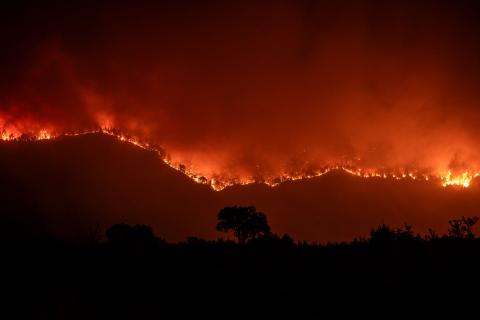
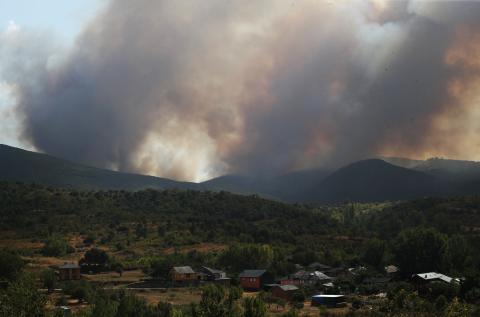
Between 2019 and 2021, five major fires burned nearly 500,000 hectares in Sierra Nevada (California). Now, a team from the United States has analysed the relationship between the structure and type of ownership of these forests and the development of a severe fire. Their conclusions are that this probability is 45% higher on private land used for the timber industry than in public forests. The results are published in the journal Global Change Biology.
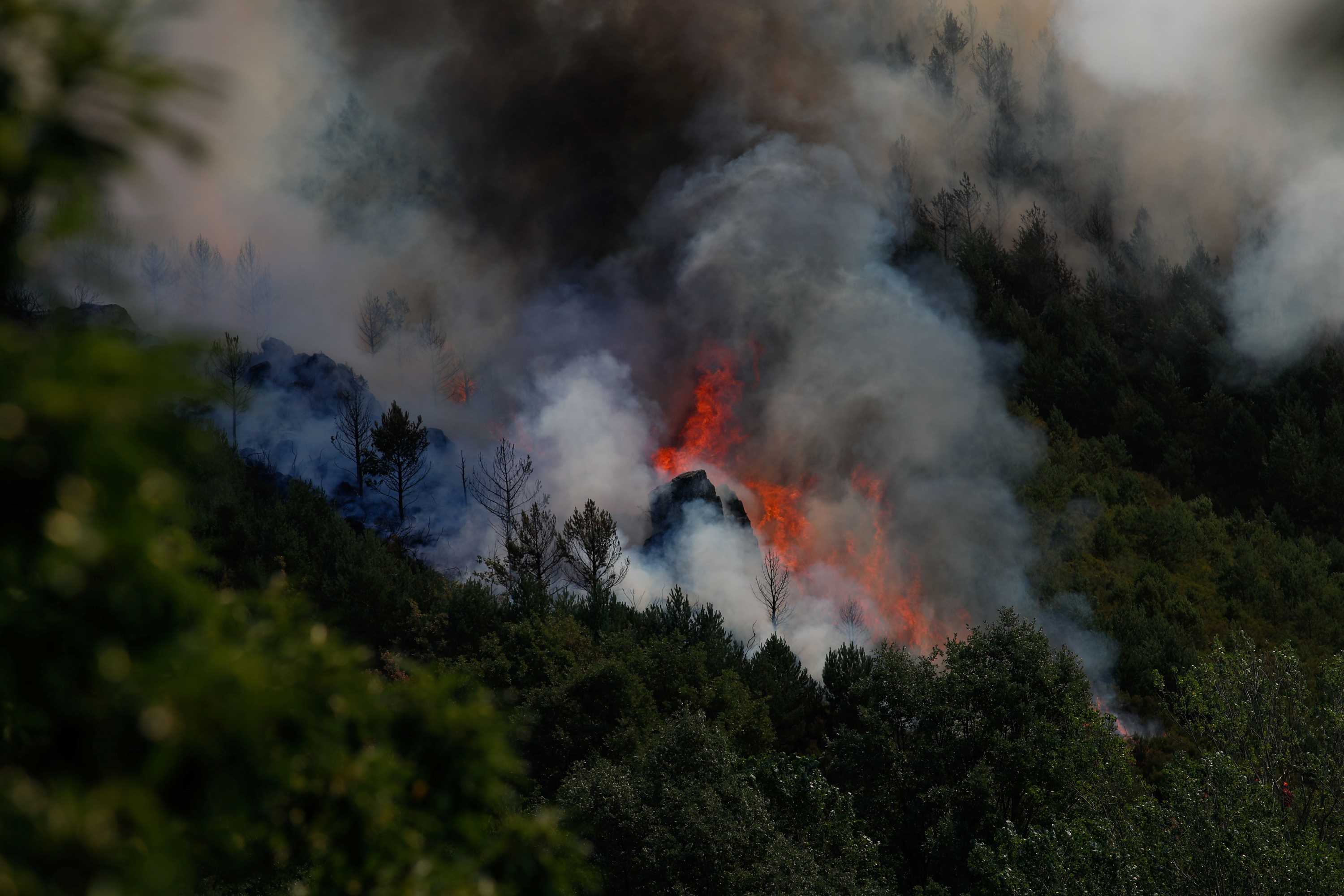
Forest fire in the Courel-Ancares Nature Reserve, in the mountains between León and Galicia, on Monday. EFE/ Eliseo Trigo.
Víctor Resco - megaincendios California EN
Víctor Resco de Dios
Lecturer of Forestry Engineering and Global Change, University of Lleida and researcher at Agrotecnio
This study is in line with virtually all current scientific research: fuel structure is a key factor in fire behaviour. One of the most important aspects of this structure is the density of scrub: when it grows in a ladder-like formation, it allows the fire to climb up to the treetops. Under these conditions, a wall of towering flames forms, leading to fires that are beyond the capacity to be extinguished.
According to the authors, this type of structure in the forests of Sierra Nevada (California) is more common in industrial forests. This contrasts sharply with our reality, given that here many industrial forests lack undergrowth, so they rarely burn. In fact, the data show that the area burned in eucalyptus plantations is marginal. This type of structure, with ladder-like scrub, is common in Spain in abandoned plantations, such as the pine forests planted in the 1940s, and also in many protected areas.
This study also shows us that, contrary to what is sometimes heard, the species of tree does not determine the type of fire: the key is the fuel, which is the undergrowth or what grows on the surface of the soil, as this is where the fire spreads.
In any case, it is important to remember that the solution to fires does not lie in forest management itself, but in fuel management. That is, fires spread mainly through the undergrowth. Therefore, we must try to keep scrub and leaf litter loads below the thresholds associated with high-intensity fires in managed forests and industrial plantations.
Currently, industrial forests do not pose a fire hazard in Spain or Portugal, as we have mentioned. However, if these plantations are abandoned at some point, they would then become highly flammable.
Levine et al.
- Research article
- Peer reviewed