University of Castilla-La Mancha
If you are the contact person for this centre and you wish to make any changes, please contact us.
Physicist, professor at the University of Castilla-La Mancha and Scientific Director of the Scientific Advisory Committee on Radio Frequencies and Health of the Official College of Telecommunications Engineers.
Professor in the Department of Physical Chemistry at the University of Castilla-La Mancha
Professor of Animal Health at the Institute for Research in Game Resources (IREC) and head of the Health and Biotechnology Research Group (SaBio) at the University of Castilla-La Mancha
Professor of Ecology at the University of Castilla-La Mancha and member of the Academy of Social Sciences and Humanities of Castilla-La Mancha
Professor of Applied Mechanics and Project Engineering at the Higher Technical School of Industrial Engineering of Ciudad Real, University of Castilla-La Mancha, and co-leader of the research group Mechanics of Continuum Media, Structural and Materials Engineering (COMES)
Full Professor, Deputy Director of the Department of Computer Systems at the University of Castilla-La Mancha and member of the group Intelligent Systems and Data Mining
Professor and researcher in the field of Chemical Engineering at the School of Agricultural Engineering, Forestry and Biotechnology at the University of Castilla-La Mancha
Senior researcher in ecotoxicology
Researcher at the Laboratory for Molecular Mycology, Institute for Biomedicine, University of Castilla-La Mancha
Associate Professor at ETSIAMB
Professor of Physical Activity and Health at the University of Castilla-La Mancha and director of the PAFS group (Promotion of Physical Activity for Health)
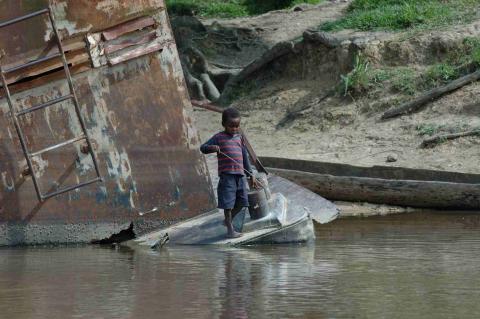
The accelerated extraction of critical minerals such as lithium and cobalt is causing water insecurity and health risks, according to a report by the United Nations University Institute for Water, Environment and Health (UNU-INWEH), which refers to them as the “oil of the 21st century.” The high water consumption of mining operations limits access to water for other purposes such as agriculture, fishing, and human consumption. Furthermore, data from various regions in South Africa, Bolivia, and the Democratic Republic of the Congo reveal “widespread heavy metal contamination and exposure to toxic waste,” the report states. This leads to health problems including fetal malformations and chronic diseases, which disproportionately affect women and children.
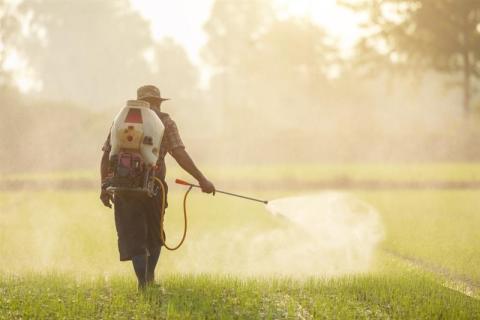
A study published in Science shows a global increase in the toxicity and ecological harm caused by pesticides, contrary to the United Nations’ goal of halving pesticide-related risks by 2030. The authors analysed Total Applied Toxicity (TAT), which accounts for both pesticide use and toxicity, at a global scale between 2013 and 2019. The data covered the risks of 625 pesticides across eight species groups and 65 countries, representing 79.4% of global cropland. TAT increased in six of the eight species groups, including all invertebrate groups and terrestrial plants, and only Chile would meet the target of reducing pesticide risk by 50% by 2030.
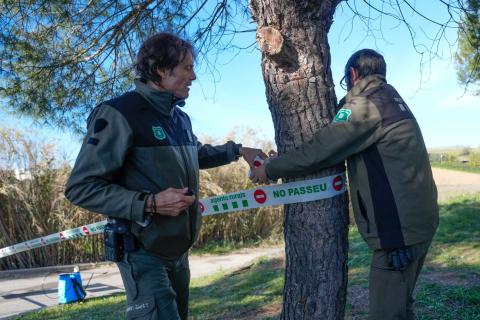
The sequencing of the DNA of the virus found in wild boars infected with African swine fever in Catalonia and its comparison with the DNA of 17 of the 19 samples being investigated at the Animal Health Research Centre (IRTA-CReSA) has revealed that they do not match, according to a press conference held this morning by representatives of the scientific team in charge of the study and the Catalan Regional Ministry of Agriculture, Livestock and Fisheries. They consider the leak from the laboratory to be ‘highly unlikely’, although further studies are still ongoing. The research, led by the IRB, suggests that it could belong to a new strain not described in the scientific literature.
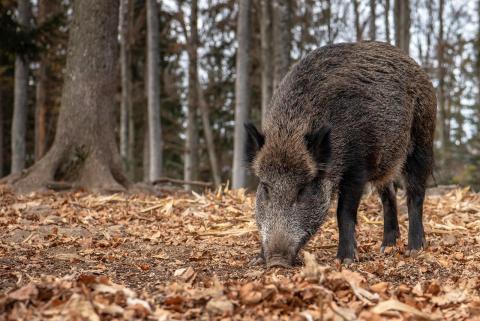
The veterinary services of the Catalan Regional Government have notified the Ministry of Agriculture, Fisheries, and Food of the detection of two wild boars positive for African swine fever virus in Bellaterra (Barcelona), where they were found dead on November 26. These cases represent the first detection of the disease in Spain since November 1994, according to the ministry in a press release. African swine fever is considered a Category A disease by the European Union, which means that member states must take measures to control and eradicate it as soon as possible. It is a non-zoonotic disease, meaning that humans are not susceptible to infection either through contact with animals or through the consumption of animal products.
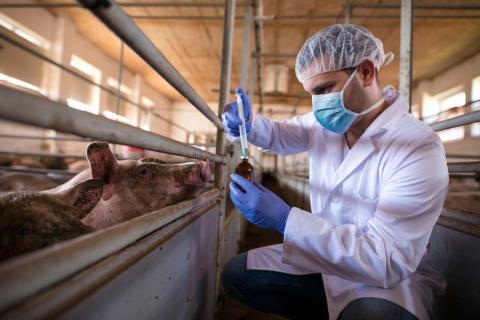
An international team has used the CRISPR gene-editing tool to modify a key gene for the replication of the classical swine fever virus in pigs. The experiment, conducted on four animals, showed complete protection against the disease. According to the researchers, this breakthrough could serve as an additional method for controlling this type of virus, which entails significant economic and animal welfare costs. The results are published in the journal Trends in Biotechnology.
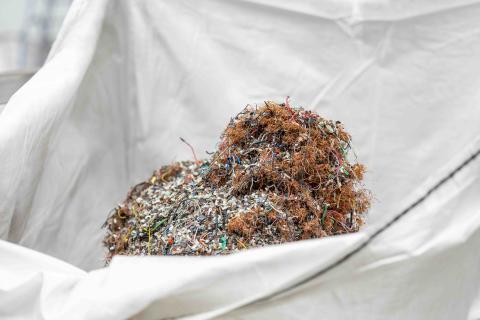
In 2050, the total volume of waste electrical and electronic equipment in Europe will reach between 12.5 and 19 million tonnes, compared to 10.7 million tonnes – around 20 kilograms per person – in 2022, according to the report 2050 Critical Raw Materials Outlook for Waste Electrical and Electronic Equipment. Of this volume, only 54% was collected and treated correctly in 2022. Furthermore, of the one million metric tonnes of critical raw materials such as copper, aluminium and silicon present in this waste, less than half was successfully recovered, according to the report's estimates.
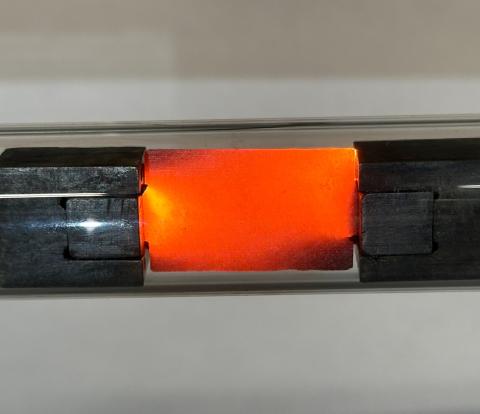
A US research team has designed an ‘environmentally friendly and economically viable’ method for recovering rare earth elements from electronic waste. It is cheaper than traditional methods, uses less water, acid and energy, and emits fewer greenhouse gases, according to the authors in PNAS. Rare earth elements (REE) are a group of chemical elements needed to manufacture batteries, magnets and electronic components. Both the European Union and Spain are committed to these critical materials in order to reduce their dependence on foreign sources.
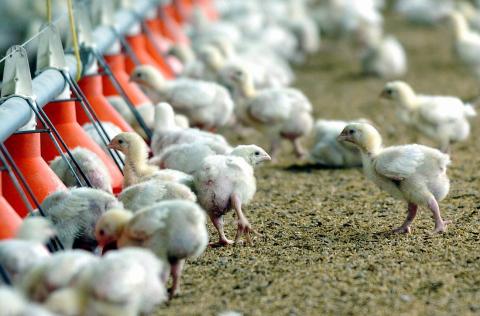
The North American strain of the H5N1 avian influenza virus has been shown to be capable of causing outbreaks in mammals such as cows, something not seen elsewhere in the world, including Europe. An international team has identified and tested two mutations in ferrets that may explain improved adaptation and greater virulence. According to the authors, who published the results in the journal Science Advances, the finding "highlights the urgent need for strengthened surveillance and targeted interventions.
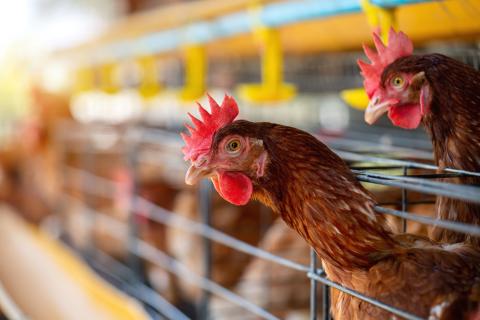
Avian influenza has returned to Spain this summer. In addition to a few cases in wild birds, since 18 July there have been several outbreaks in poultry in different autonomous communities, causing the country to lose its disease-free status. To answer questions about the situation, its possible causes, evolution and consequences, SMC Spain organised an information session with researchers Inmaculada Casas, Ursula Höfle and Elisa Pérez Ramírez.
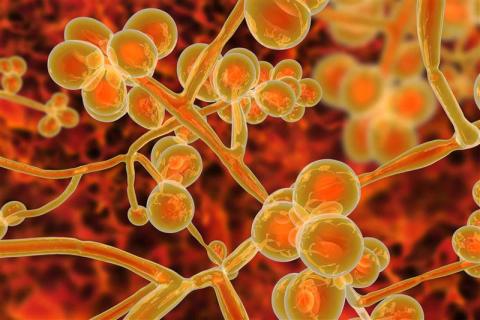
Infections caused by the fungus Candidozyma auris—formerly known as Candida auris—continue to rise, warns a report by the European Centre for Disease Prevention and Control (ECDC). Spain reported 1,807 of the 4,012 cases in 36 European countries between 2013 and 2023, the highest number ahead of Greece (852 cases) and Italy (712), according to the survey. This microorganism spreads particularly in hospitals, causing infections that are often resistant to existing drugs.