Martín Muñoz Morales

Martín Muñoz Morales

Martín Muñoz Morales
Position

Professor and researcher in the field of Chemical Engineering at the School of Agricultural Engineering, Forestry and Biotechnology at the University of Castilla-La Mancha

A UN report highlights the impact of critical mineral extraction on the health of the most vulnerable
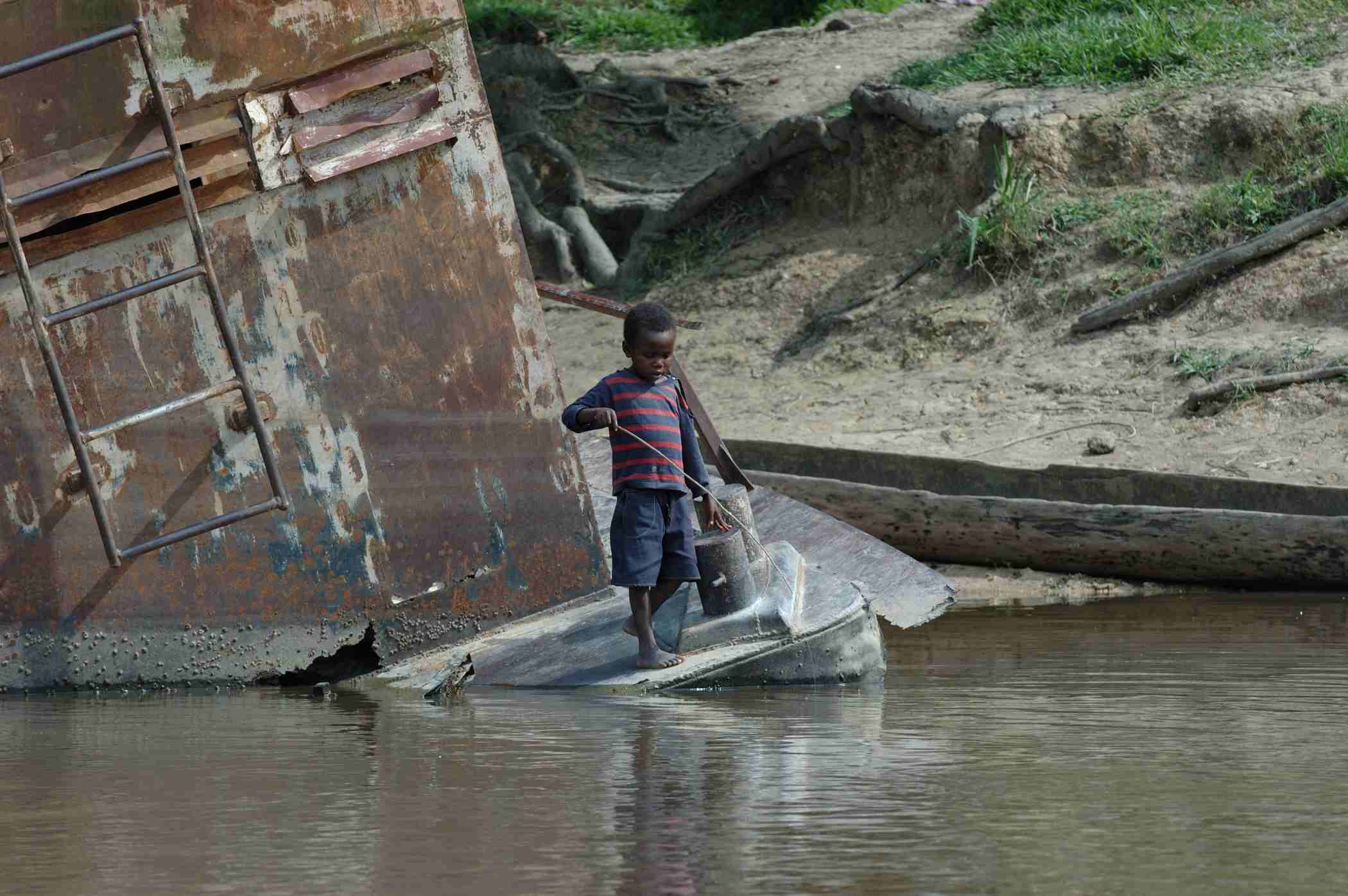
The accelerated extraction of critical minerals such as lithium and cobalt is causing water insecurity and health risks, according to a report by the United Nations University Institute for Water, Environment and Health (UNU-INWEH), which refers to them as the “oil of the 21st century.” The high water consumption of mining operations limits access to water for other purposes such as agriculture, fishing, and human consumption. Furthermore, data from various regions in South Africa, Bolivia, and the Democratic Republic of the Congo reveal “widespread heavy metal contamination and exposure to toxic waste,” the report states. This leads to health problems including fetal malformations and chronic diseases, which disproportionately affect women and children.
 

0

Only 54% of electronic waste is collected correctly in Europe

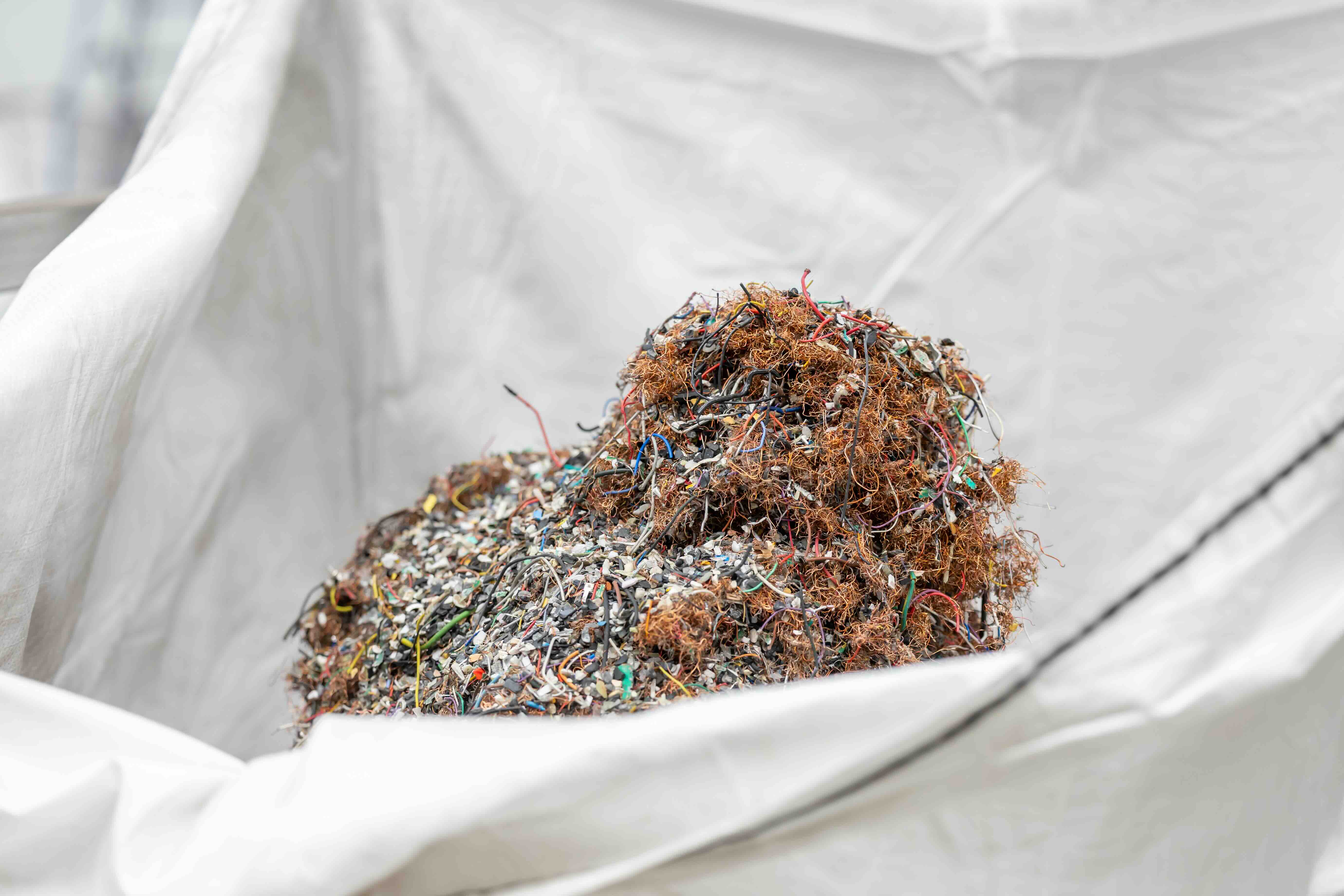
In 2050, the total volume of waste electrical and electronic equipment in Europe will reach between 12.5 and 19 million tonnes, compared to 10.7 million tonnes – around 20 kilograms per person – in 2022, according to the report 2050 Critical Raw Materials Outlook for Waste Electrical and Electronic Equipment. Of this volume, only 54% was collected and treated correctly in 2022. Furthermore, of the one million metric tonnes of critical raw materials such as copper, aluminium and silicon present in this waste, less than half was successfully recovered, according to the report's estimates.

0

A sustainable method for extracting rare earth elements from electronic waste

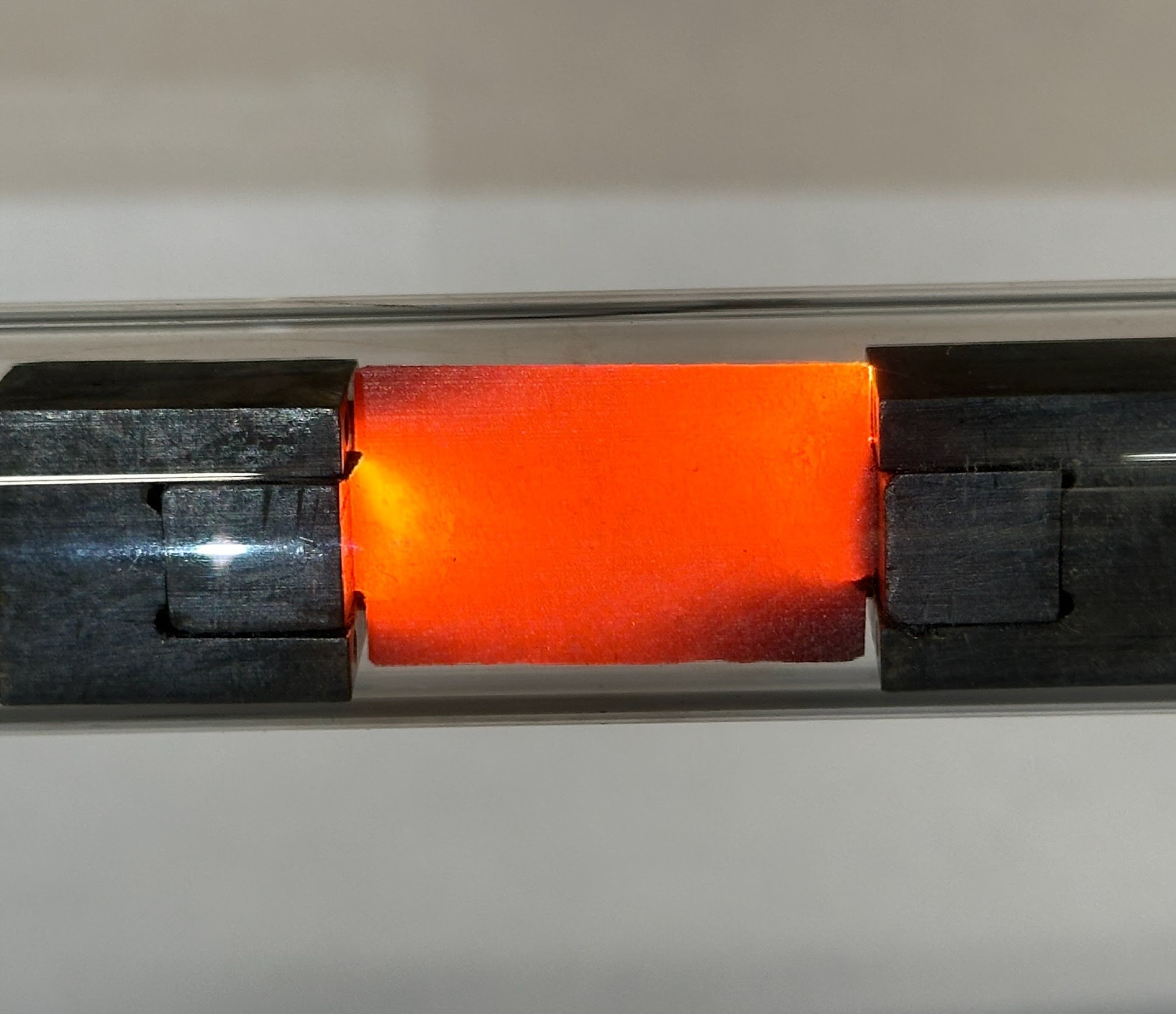
A US research team has designed an ‘environmentally friendly and economically viable’ method for recovering rare earth elements from electronic waste. It is cheaper than traditional methods, uses less water, acid and energy, and emits fewer greenhouse gases, according to the authors in PNAS. Rare earth elements (REE) are a group of chemical elements needed to manufacture batteries, magnets and electronic components. Both the European Union and Spain are committed to these critical materials in order to reduce their dependence on foreign sources. 

0