University of Alcalá
If you are the contact person for this centre and you wish to make any changes, please contact us.
Specialist in Endocrinology and Gender Identity and honorary professor at the University of Alcalá
Professor of Applied Physics and Honorary Research Professor at the University of Alcalá
Professor of Pharmacology at the University of Alcalá
Astrobiologist and lecturer of Biochemistry at the University of Alcalá
Senior Lecturer at the University of Alcalá and Member of the Knowledge and Research Management Committee at Médicos del Mundo
President of the Spanish Glaucoma Society (SEG), head of the ophthalmology department at the Ramón y Cajal Hospital and professor of ophthalmology at the University of Alcalá de Henares (UAH).
Assistant Professor, PhD, Public Health and Epidemiology Research Group, University of Alcalá
Doctor of Health Sciences from the University of Alcalá (UAH), external member of the UAH's Food, Nutrition and Public Health Strategies research group, and lecturer at UNIR and CUNIMAD
Assistant professor of Physical and Sports Education and researcher in Epidemiology and Public Health at the University of Alcalá
Head of International Relations at the Spanish Society of Public Health and Healthcare Administration (SESPAS), organiser of the 2026 European Public Health Conference (EUPHA), Ikerbasque Research Professor at the Basque Centre for Climate Change (BC3) and professor and researcher at the universities of Alcalá and Johns Hopkins
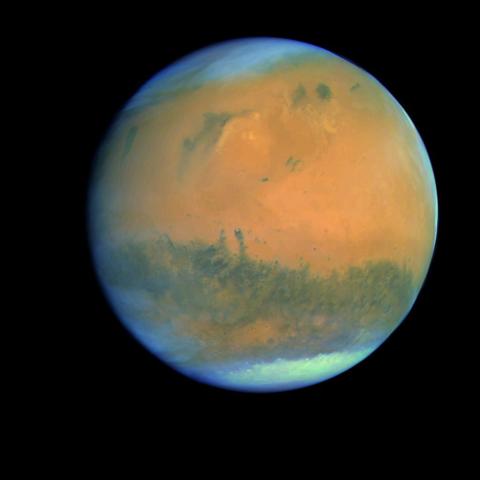
The red colour of Mars corresponds to a type of ferrihydrite that is the dominant form of iron oxide in Martian dust, although previous studies have attributed it to anhydrous haematite. The persistence of ferrihydrite, whose formation requires water, suggests that it formed during a cold, wet period, followed by a transition to the planet's current arid environment. The result, based on ESA and NASA space data and new laboratory experiments, is published in Nature Communications.
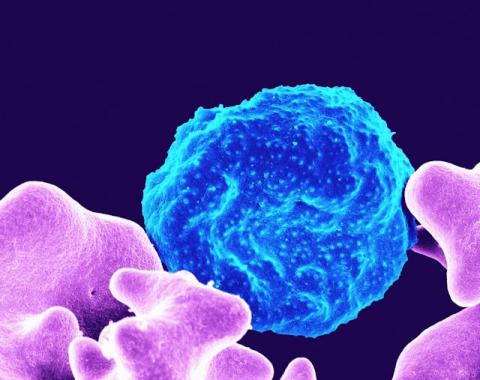
The RH5.1/Matrix-M vaccine is effective and safe against malaria, according to a phase 2b clinical trial in infants in Burkina Faso published in The Lancet Infectious Diseases. Two other vaccines are already approved against malaria, a disease caused by the Plasmodium falciparum parasite, but this one acts at a different stage of the disease: when the malaria parasite is present in the blood. The other two vaccines attack the parasite when reaches the liver.
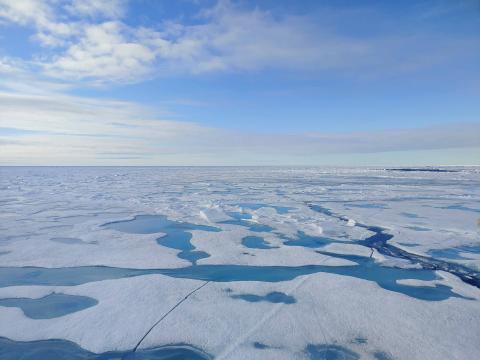
In three to six years, the first ice-free day in the Arctic could occur if a series of extreme weather events - such as an unusually warm autumn, winter and spring in the region - occur, according to a study comparing various models and scenarios in Nature Communications. An ice-free day refers to a day with Arctic Ocean ice coverage of less than 1 million square kilometres; the average coverage was 6.85 million square kilometres between 1979 and 1992.
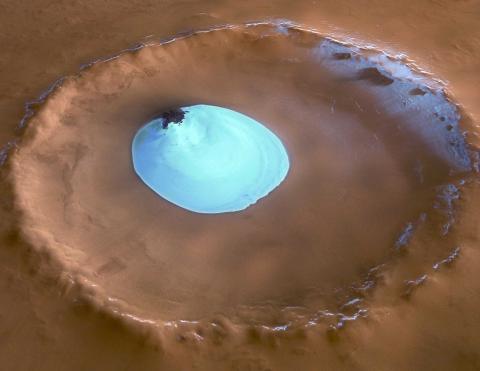
US researchers have published a model showing that ice in the mid-latitudes of Mars could allow photosynthetic life to develop. Its thickness and composition would attenuate harmful ultraviolet radiation, but allow sufficient visible light to pass through. The work is published in the journal Communications Earth & Environment.

Many people don't follow sports events, yet they enjoy the Olympics. Unlike the dominant men's soccer industry, the Olympics offer a wide variety of events for all tastes, with greater visibility of women's sports and a context that makes it easier to connect with the competition narrative, based on an internationalist and humanist spirit. They are proof that sports appeal to everyone because play is part of human essence.
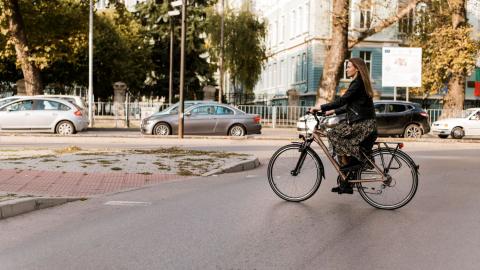
According to a large long-term study published in BMJ Public Health, people who cycle or walk to work or school have a lower risk of mental and physical illness. Cyclists benefit the most, with a 47% lower risk of death from any cause, a 24% lower risk of hospital admission for cardiovascular disease, a 51% lower risk of dying from cancer and a 20% lower risk of being prescribed drugs for mental health problems.
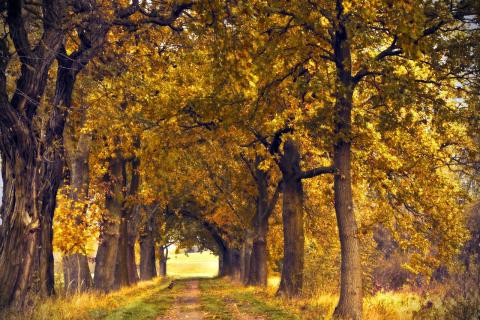
A study has analyzed how 69 of the tree species present in Europe - such as oaks, ashes or willows - will behave over this century under different climate change scenarios. In the best-case scenario, the number of species able to survive per square kilometer will be reduced by a third, according to their calculations. For the authors, who publish their results in the journal Nature Ecology & Evolution, this could have strong negative repercussions on timber production, carbon storage and biodiversity conservation.
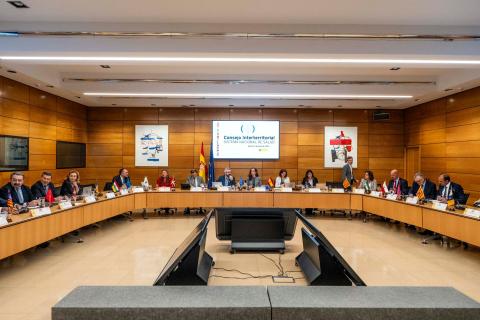
This Friday, the Interterritorial Council of the National Health System approved the Comprehensive Plan for the Prevention and Control of Smoking (PIT). The document, which incorporates 147 proposals from the autonomous communities, has not achieved consensus among all of them.
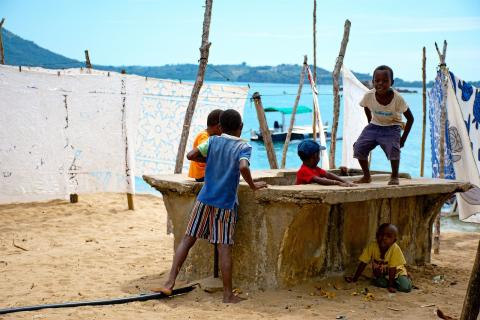
In a clinical trial of nearly 5,000 children aged 5-36 months, a new malaria vaccine - called R21/MatrixM - reduced symptomatic cases by 68-75% over the following year. According to the authors, the vaccine will be inexpensive and could contribute to a substantial reduction in malaria suffering and deaths in sub-Saharan Africa. The results of the phase 3 trial are published in The Lancet.
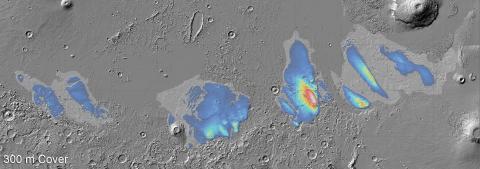
Fifteen years ago, the European Space Agency's (ESA) Mars Express probe revealed the presence of large deep deposits on Mars, in an area called the Medusae Fossae Formation (MFF), located at its equator. Now, new data from the probe's MARSIS radar indicate that the deposits are deeper than previously thought - up to 3.7 kilometers thick - and include both ice-rich and dusty layers. The results are published in Geophysical Research Letters.