State Meteorological Agency (Aemet)
If you are the contact person for this centre and you wish to make any changes, please contact us.
Aemet meteorologist
Head of the Climate Assessment and Modelling Area at AEMET
Aemet spokesperson
Superior State Meteorologist. AEMET.
Regional Representative of the State Meteorological Agency (Aemet) in Extremadura
Researcher at the Izaña Atmospheric Research Centre, AEMET
Meteorologist of the National Forecasting Center of AEMET
Spokesperson of the State Meteorological Agency (AEMET)
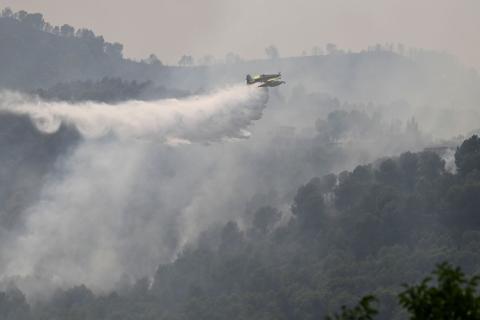
In some areas of Spain and France, the intensity of weather conditions that favour wildfires — heat, drought and wind — increased by up to 50 per cent between 2016 and 2025, compared with the period between 1981 and 2010. This is one of the conclusions of a study carried out by a team including Spanish researchers, which analysed national records of forest fires in southern Europe – Spain, Portugal, France, Italy and Greece – alongside meteorological and climatic data from 1981 to 2025. The data, published in Scientific Reports, show that the number of days with conditions conducive to fires also increased in some areas of these countries. However, the annual number of fires over the last decade was 40 per cent lower than in the 1981–2010 period in all countries – a decline which, according to the authors, is consistent with a reduction in fires caused by humans, driven by stricter regulations.
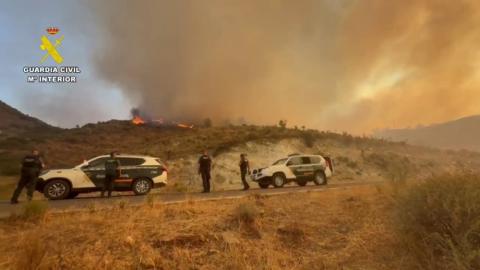
The wildfire in Los Gallardos (Almería), which broke out on Thursday evening, has so far claimed 13 lives. Initial investigations suggest that a fallen power line may have been the cause of the fire. The blaze has burnt more than 3,000 hectares and has left 1,400 people displaced.
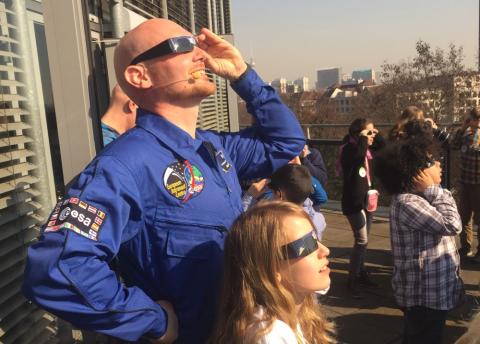
To fully experience the astronomical phenomenon of a total eclipse, you need to prepare in advance. The main concern is eye safety, but there are other health risks that can easily be avoided. We explain the main personal precautions to bear in mind.
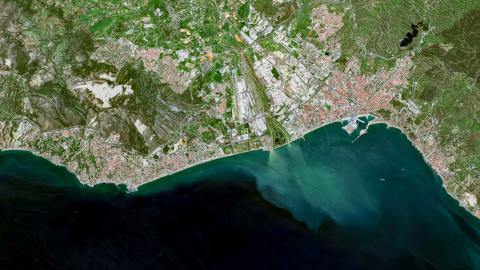
Rising sea levels have quadrupled the frequency of extreme events related to this phenomenon along coastlines since 1900. This is one of the conclusions of a study, which included Spanish participation, suggesting that climate change has already altered the risk of coastal flooding and highlighting the need to integrate these changes into adaptation and risk management strategies. More than 680 million people worldwide live in low-lying coastal regions, where small changes in sea level can significantly affect flood risk. The study is published in Nature Climate Change and aligns with another paper, published the same day in Science Advances, which states that since the 1970s, the number of days on which sea levels have exceeded annual averages has tripled.
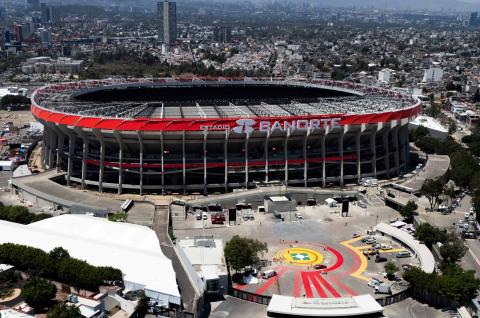
An analysis by World Weather Attribution shows that players and fans face a much higher risk of extreme heat and humidity at the 2026 FIFA World Cup—to be held from June 11 to July 19 in North America—compared to the 1994 tournament held on the same continent. The report analyzes the likelihood that each of the 104 matches to be played in Canada, the United States, and Mexico will meet the safety guidelines set by the FIFPRO players’ union. Nearly a quarter of the matches will be played when conditions exceed a wet-bulb temperature of 26°C—an index that measures the body’s ability to cool itself—which requires cooling breaks. In addition, five matches will exceed the 28°C threshold for this indicator—equivalent to 38°C in dry heat—a limit set by FIFPRO for postponing matches.
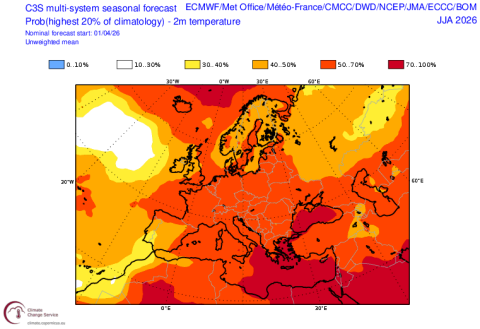
The latest forecasts from the European Centre for Medium-Range Weather Forecasts (ECMWF) suggest that there is a likelihood that the phenomenon known as El Niño will return this year and that it will do so with greater intensity. In Europe, for June through August, the forecast indicates a slight tendency toward below-average precipitation in the northeast of the continent. As for the Iberian Peninsula, temperatures are expected to exceed the top quintile of the seasonal average. Although it is not yet certain that this will occur, forecasts for the coming months will either confirm or rule it out.
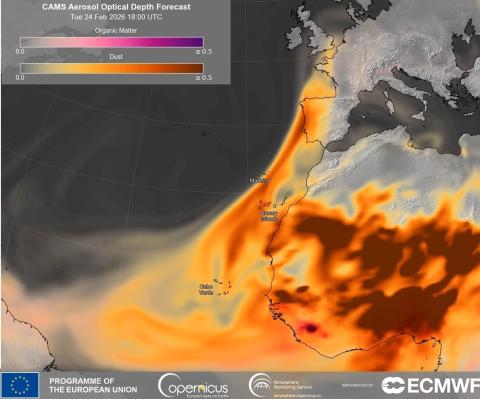
According to the Ministry for Ecological Transition and Demographic Challenge, masses of African air with varying concentrations of surface dust are expected to reach the Canary Islands and the Iberian Peninsula on Wednesday. Health authorities in different provinces have recommended avoiding outdoor physical exercise or activities that require effort, especially for vulnerable groups such as children, pregnant women, the elderly and the sick.
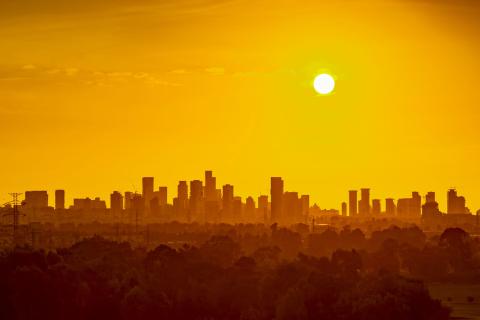
In 2025, climate change drove extreme weather events around the world, disproportionately affecting vulnerable and marginalised communities. In addition, global temperatures were exceptionally high, heatwaves were significantly more intense than 10 years ago, and millions of people were pushed to the limits of their ability to adapt. These are the main conclusions of the 2025 report published by the World Weather Attribution initiative, whose experts believe that ‘drastically reducing fossil fuel emissions remains the key policy for avoiding the worst impacts of climate change’.
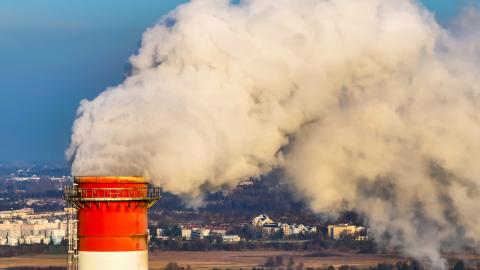
Using data from the 180 companies with the highest carbon emissions—fossil fuel and cement producers—research has calculated that these companies contributed 50% to the increase in heatwave intensity since 1850-1900. The authors estimate that the individual emissions of each large polluting company may have contributed to the occurrence of between 16 and 53 heatwaves. The study, published in Nature, also shows that a quarter of the heatwaves recorded between 2000 and 2023 would have been virtually impossible without anthropogenic climate change.