SMC Spain

SMC Spain

SMC Spain
Position
Topics

Bananas from the area around the eruption on La Palma are safe and nutritious

In 2021, the eruption of the Tajogaite volcano on the Canary Island of La Palma caused the loss of 53,000 tonnes of bananas, equivalent to 50% of its production, which is essential to the local economy. Given the potential risk of contamination from ash and magma, a team of researchers from Spanish centres analysed the composition of bananas in the area of the eruption. The study, conducted using mass spectrometry and published in PLOS One, confirms that they are safe and healthy to eat. For most potentially toxic elements, the estimated maximum intake remained below 1% of the tolerable daily intake (TDI) and in no case exceeded 3% of the TDI.

0

Numerous fires are active in different parts of the peninsula

Several areas in the region of El Bierzo in León and the province of Zamora have seen numerous forest fires in recent hours, forcing more than a thousand people from different municipalities to evacuate. One person has died. The flames have affected the Las Médulas natural area, listed by UNESCO as a World Heritage Site. Another fire in Tarifa (Cádiz) has forced the evacuation of hundreds of people, and also in Tres Cantos (Madrid), where one person died. In addition, there are active outbreaks in several areas of Galicia. The government declares a pre-emergency phase.

0

Three servings of French fries per week linked to higher risk of diabetes

Eating three servings of French fries per week is associated with a 20% increase in the risk of developing type 2 diabetes, but eating similar amounts of potatoes cooked in other ways (boiled, baked, or mashed) does not substantially increase the risk, according to a study published in BMJ. The study, which analyzed the diets of more than 205,000 adults over decades, showed that replacing any form of potato with whole grains was associated with a lower risk of type 2 diabetes.

0

Researchers investigate how to reverse Alzheimer's disease in mice using lithium compounds

Researchers at Harvard Medical School have published new findings in Nature on the role of reduced lithium levels in Alzheimer's disease, based on experiments with mice and analysis of brain tissue and blood samples from humans. The team claims to have achieved improvements in memory in mouse models with lithium orotate. They caution that they have not proven that lithium is safe or effective in protecting against neurodegeneration in patients, and that their findings must be confirmed in humans through clinical trials.

0

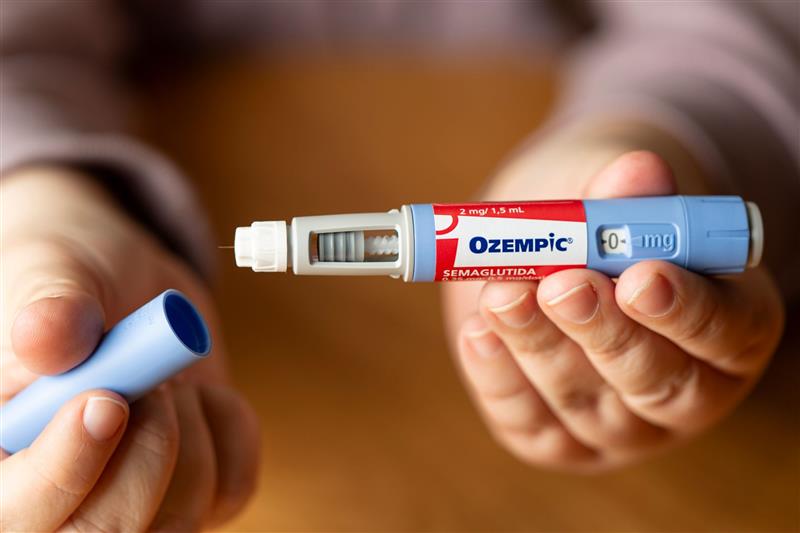
Semaglutide has “unexpected” effects on muscle function in mice

In mice, administering semaglutide - the molecule marketed under the name Ozempic or Wegovy - does not reduce muscle mass as much as expected, but it does affect muscle function, according to a study published in Cell Metabolism. In some types of muscle, the experiment measured a decrease in force-generating capacity of about 20%, disproportionately greater than the loss of muscle mass.

0

"Promising" new strategy for ALS using stem cells created from patients

Researchers in the United States have used stem cells created from patients with a very rare type of ALS, more prevalent in Brazil, to target a key gene in the stress response and reverse the damage suffered by motor neurons in the laboratory. They believe it is "a promising proof-of-concept for future therapeutic strategies" and "could help lay the foundation for genetically informed clinical trials".

0

Organized scientific fraud is growing rapidly

From fabricated research to paid authorships and citations, organized scientific fraud is on the rise, according to a new study published today in the journal PNAS. Although concerns about scientific misconduct typically focus on isolated individuals, the study uncovered sophisticated global networks of people and entities that systematically collaborate to undermine the integrity of academic publishing. According to the authors, the problem is so widespread that the publication of fraudulent science is growing at a faster rate than that of legitimate scientific publications.

0

Researchers analyse the impact of colorectal cancer screening campaigns on people aged 45 to 49

In the US, the incidence of colorectal cancer increased in people aged 45-49 years in the period 2019-2022, after advancing the screening age from 50 to 45 years, according to a study published in JAMA. The use of mailed faecal tests made it possible to reach people in this age group, without affecting screening rates in people over 50, says another paper published in the same journal.

0