Rosa del Campo

Rosa del Campo

Rosa del Campo
Position

Researcher at the Ramón y Cajal Hospital and member of the Specialised Group for the Study of the Human Microbiota of the Spanish Society of Infectious Diseases and Clinical Microbiology (SEIMC-GEMBIOTA)

A study shows that changes in the gut microbiome can identify people at risk of developing Parkinson's disease
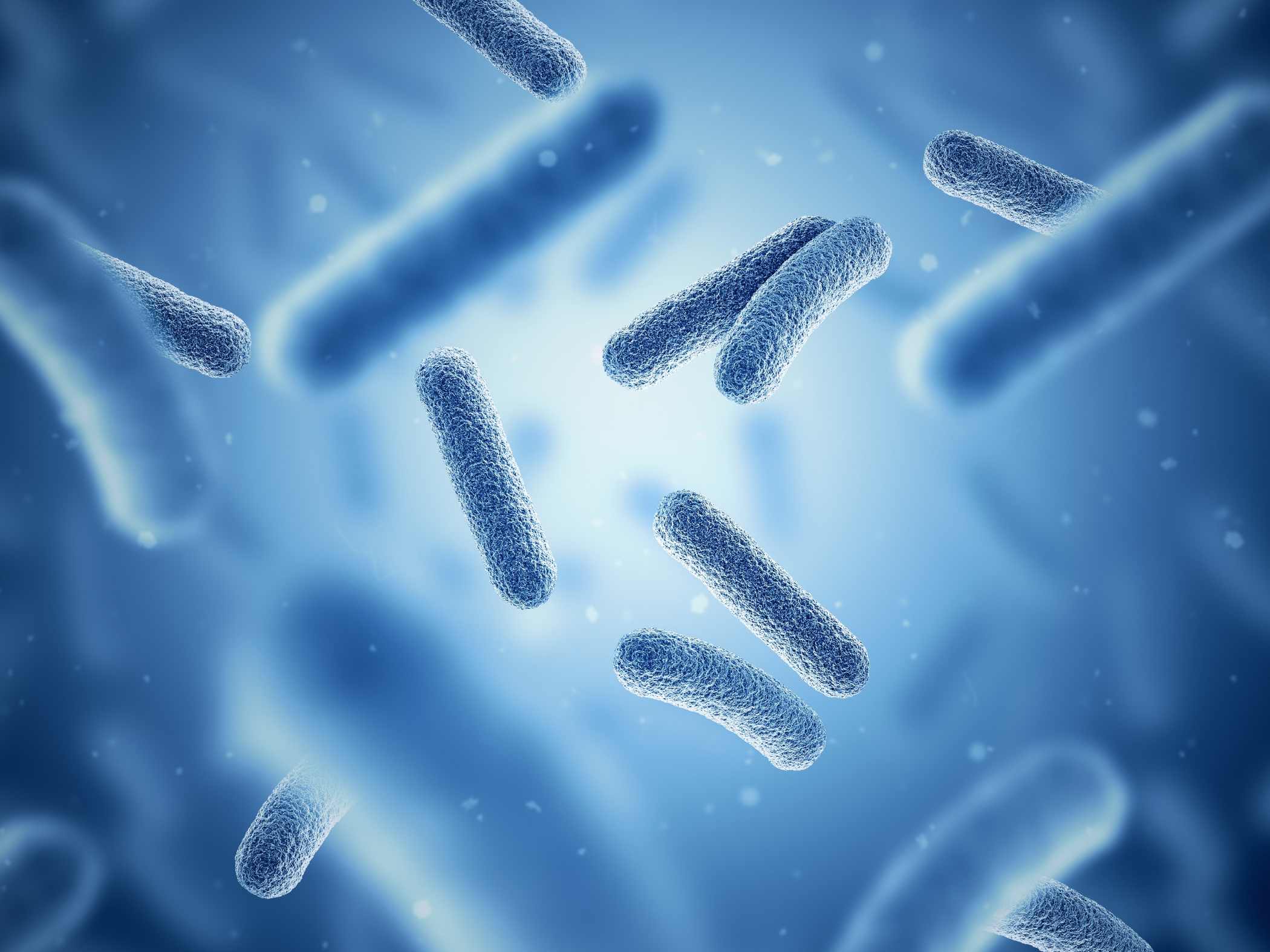
One of the best-known genetic risk factors for developing Parkinson’s disease is carrying variants of the GBA1 gene. A new study published in the journal Nature Medicine compared the microbiomes of 43 carriers of this gene who had not developed the disease with those of 271 Parkinson’s patients and 150 healthy individuals. The results showed, in addition to alterations in the microbiome in the patient group, that 25% of the microbiome of carriers of this gene exhibited alterations, representing an intermediate profile between the other two groups. The results were validated using independent cohorts from the United Kingdom, South Korea, and Turkey. According to the authors, “alterations in the gut microbiome can identify individuals with both genetic and non-genetic risk in the general population who may be progressing toward Parkinson’s disease.”
 

0

Transplanting faeces from elite athletes improves metabolic parameters in mice

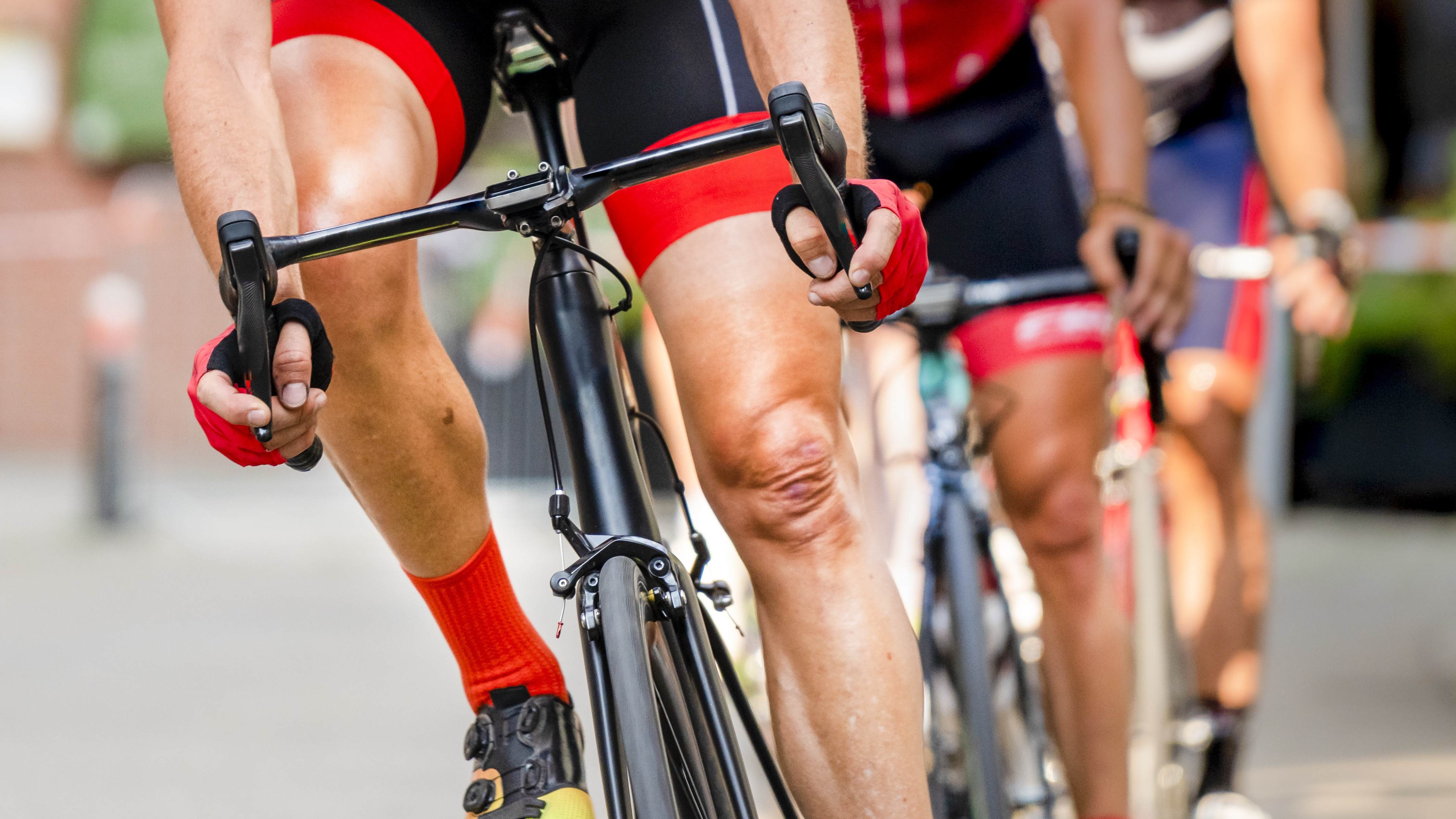
A team from France has studied the intestinal microbiota of elite athletes with high aerobic capacity (footballers and cyclists). The data indicates that they have less bacterial diversity and that the transplantation of faeces from athletes to mice improves metabolic parameters such as insulin sensitivity and glycogen deposits in the muscles. The results are published in the journal Cell Reports.

0

Genital microbiome could help identify sexual offenders

‘Bacterial signatures’ from genital areas could serve as a forensic tool to identify perpetrators of sexual assault, even if there is no trace of sperm, according to a study published in the journal iScience, by the Cell group. After sequencing the DNA of bacteria from genital samples from 12 stable couples, the authors show that a transfer of bacterial species occurs during intercourse, allowing the identification of each person’s own genital microbiome or ‘sexome’.

0

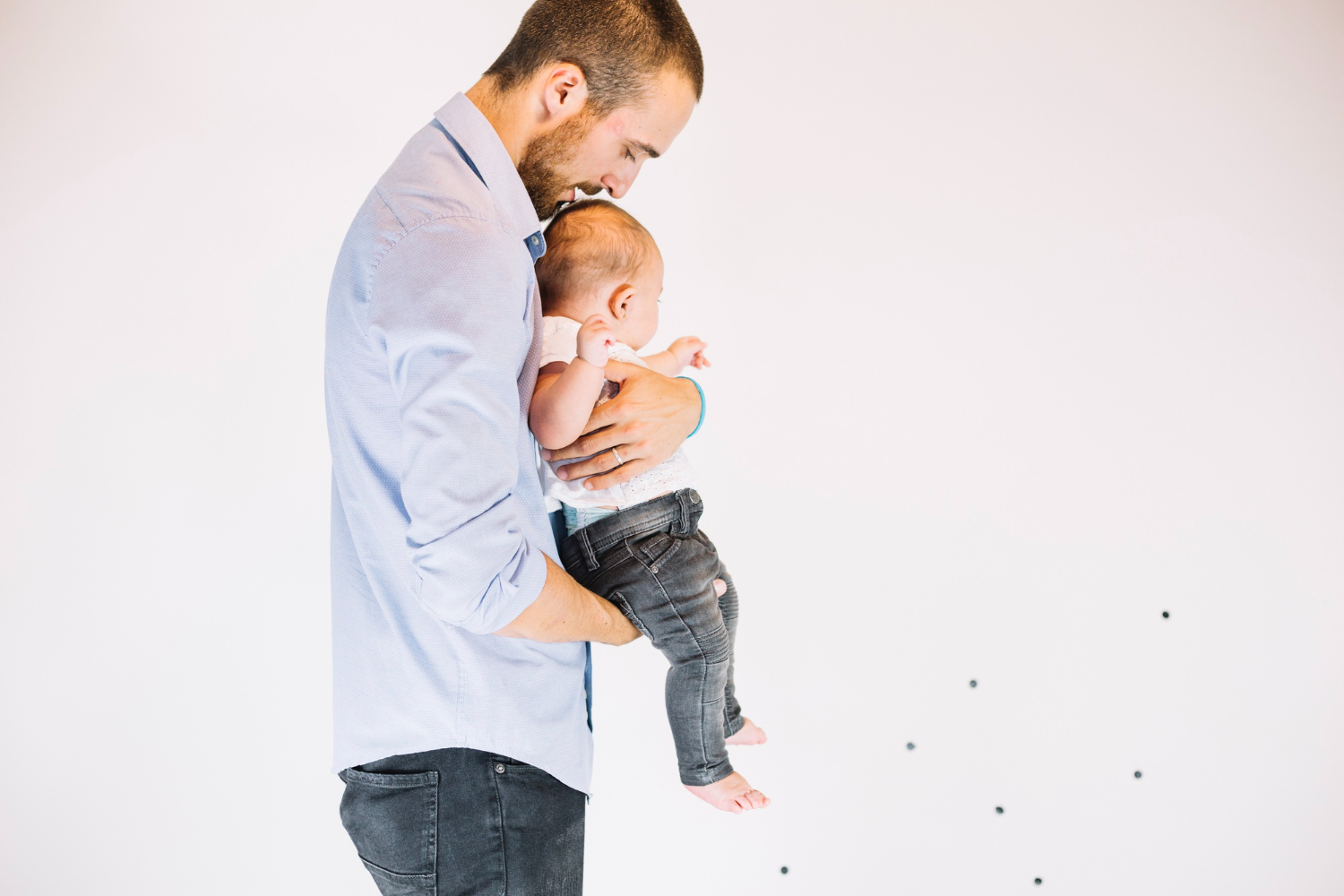
The father contributes to the baby's microbiota as much as the mother after one year of life

After the first year of life, the father's contribution to his baby's microbiota is comparable to the mother's contribution, whether born vaginally or by caesarean section, says a study published in Cell Host & Microbe. In addition, faecal microbiome transplants from the mother to her baby can restore the microbiome in the case of caesarean birth, says the study, which included 74 babies and involved Spanish participants. 

0

Reactions: two studies link microbiome changes to chronic fatigue syndrome

Two studies have found changes in the microbiome of patients affected by chronic fatigue syndrome. In particular, they have found a decrease in both butyrate and certain bacteria that produce butyrate. Butyrate is a factor related to the protection of the intestinal barrier and appears to play a role in the regulation of the immune system. Both papers are published in the journal Cell Host and Microbe.

0

Reactions to the study exploring how the microbiome is transmitted by social contact

An international team including researchers from Spain has analysed the level of exchange of microbial strains between different generations (vertical transmission) and between people who share a household or are close contacts (horizontal transmission). The analysis, published in the journal Nature, is based on about 9,700 microbiome samples from the faeces and saliva of people with different lifestyles from countries. According to the research, the transmission of bacteria is more frequent for the mouth microbiome than for the gut microbiome among people living together.   

0

Reaction to the proposal of widespread banking of stool samples for fecal transplants later in life

The rise in cases of asthma, allergies and digestive tract diseases, among others, could be linked to changes in the microbiome. US researchers are propose to combat this trend by having us all save samples of our own gut microbiota when we are young and healthy, for later use in an autologous faecal microbiota transplant.