Juan de los Reyes Aguilar

Juan de los Reyes Aguilar

Juan de los Reyes Aguilar
Position

Head of the Experimental Neurophysiology Group at the Research Unit of the Hospital Nacional de Parapléjicos, member of the Castilla-La Mancha Health Service (SESCAM), the Castilla-La Mancha Health Research Institute (IDISCAM) and the Spanish Society of Neuroscience (SENC)

The “body map” integrated into the brain does not change even if a limb is amputated, despite previous belief to the contrary
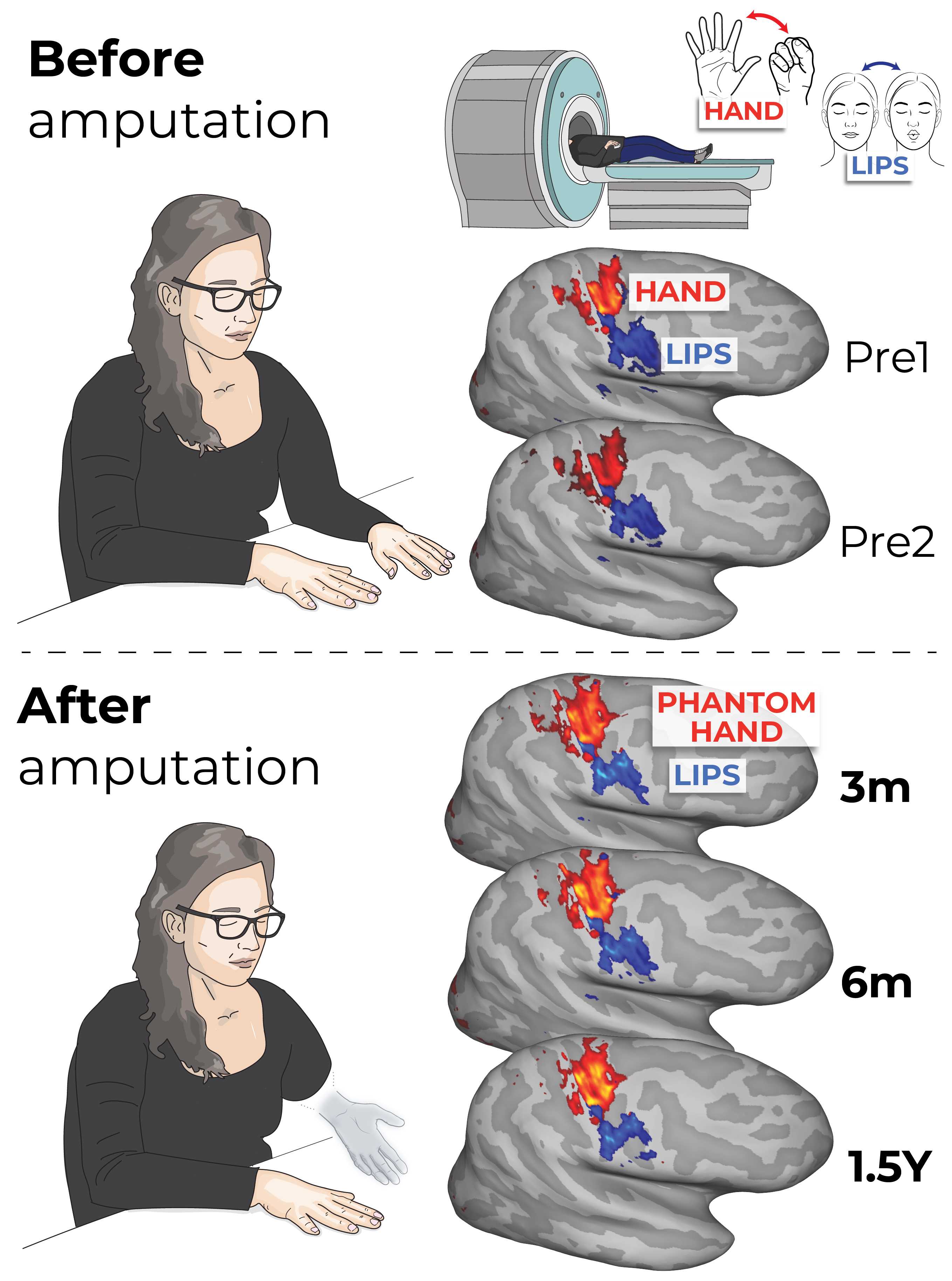
Various studies claimed that the loss of a limb caused a reorganisation of the “body map” integrated in the brain: neighbouring regions invaded and reused the brain area that previously represented the amputated limb. But a new study refutes this theory. Cortical representation remains stable even when the body suffers the loss of a limb. The team, which published its study in Nature Neuroscience, analysed three people who were about to undergo amputation of one of their hands, studying for the first time the maps of the hand and face before and after amputation, with follow-up for up to five years. Even without the hand, the corresponding brain region was activated in an almost identical way.

0

Deep brain stimulation improves walking after spinal cord injury

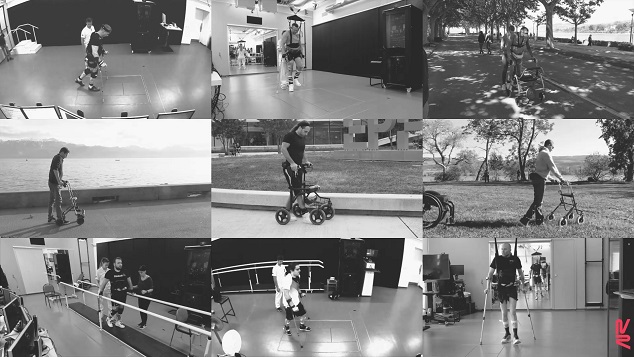
According to a study published in Nature Medicine, deep brain stimulation of the lateral hypothalamus improves walking and promotes recovery in humans and rodents with spinal cord injuries. In humans, the authors tested this technique on two patients who relied on assistive devices and had difficulty walking; both showed improved performance in the ten-meter and six-minute walking tests. Combined with rehabilitation, the patients experienced recovery that persisted even after the deep brain stimulation was turned off.

0

Reaction: A temperature-sensitive prosthesis enhances the dexterity of amputated individuals

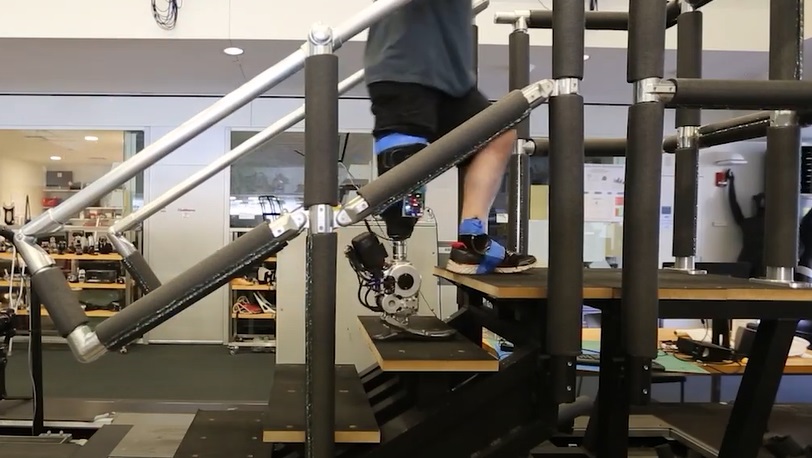
A team of researchers has developed a device that would allow individuals with amputations to perceive and respond to temperature by providing thermal information from the tip of the prosthetic finger to the amputee's stump. The device, called "MiniTouch," featured in the journal Med, can be integrated into commercially available prosthetic limbs and does not require surgery. The authors demonstrate that, thanks to the thermosensitive prosthetic hand, a 57-year-old male with below-elbow amputation was able to distinguish and manually classify objects of different temperatures and perceive bodily contact with other humans.

0