Carmen Morales

Carmen Morales

Carmen Morales
Position

Lecturer at the University of Cadiz, researcher at the Institute of Marine Research (INMAR) and Scientists Coalition for an Effective Plastics Treaty 

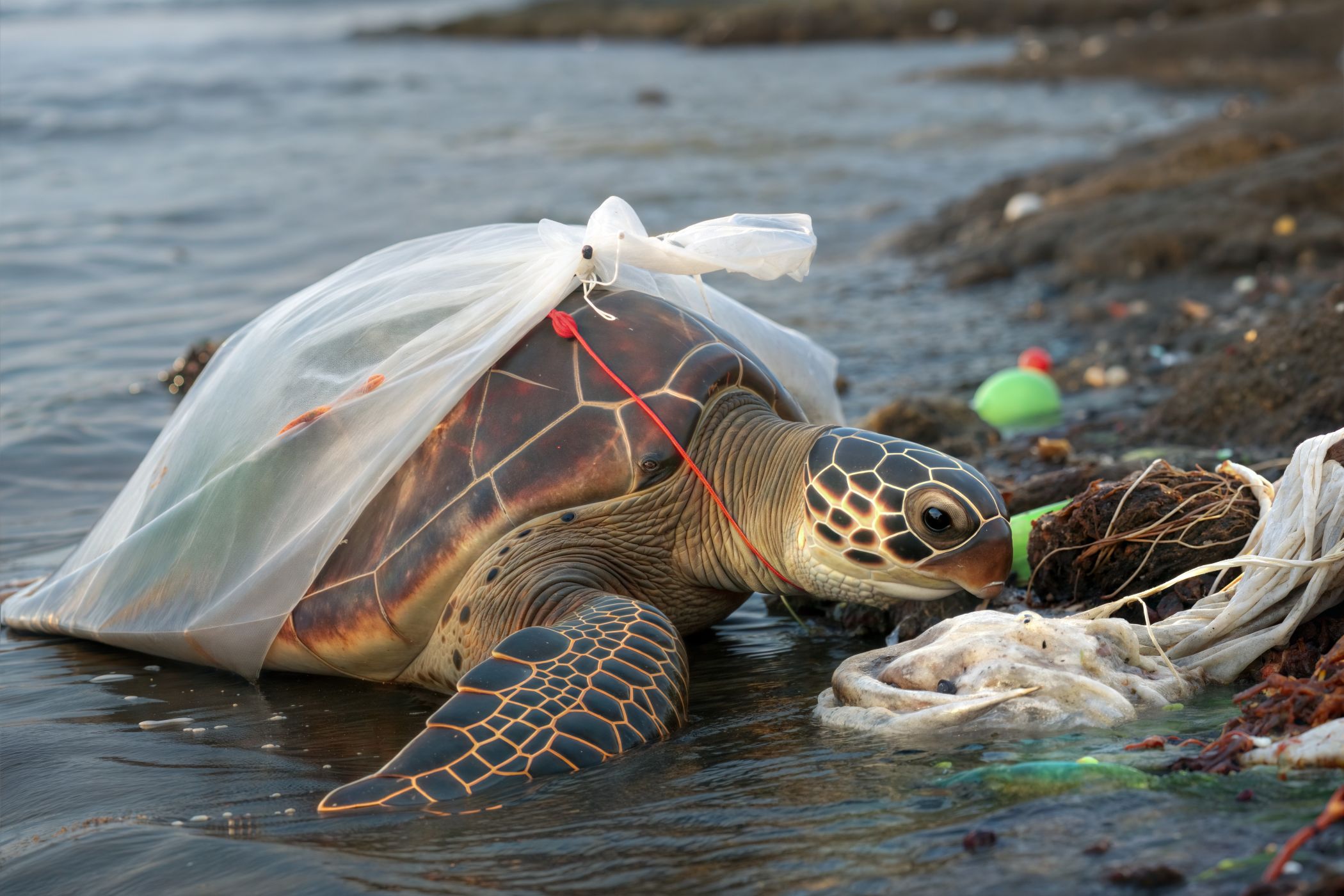
A study of 10,000 marine animal necropsies reveals that one-third of birds and nearly half of turtles had ingested macroplastics

According to a study compiling data from 10,000 marine animal necropsies, 35% of birds, 12% of mammals, and 47% of turtles examined had ingested macroplastics, causing death in 1.6%, 0.7%, and 4.4% of these animals, respectively. The types of plastic that pose the greatest risk are rubber for birds, soft plastics and fishing debris for mammals, and hard and soft plastics for sea turtles, concludes this study published in PNAS.


0

Negotiations to move forward with global plastics treaty fail

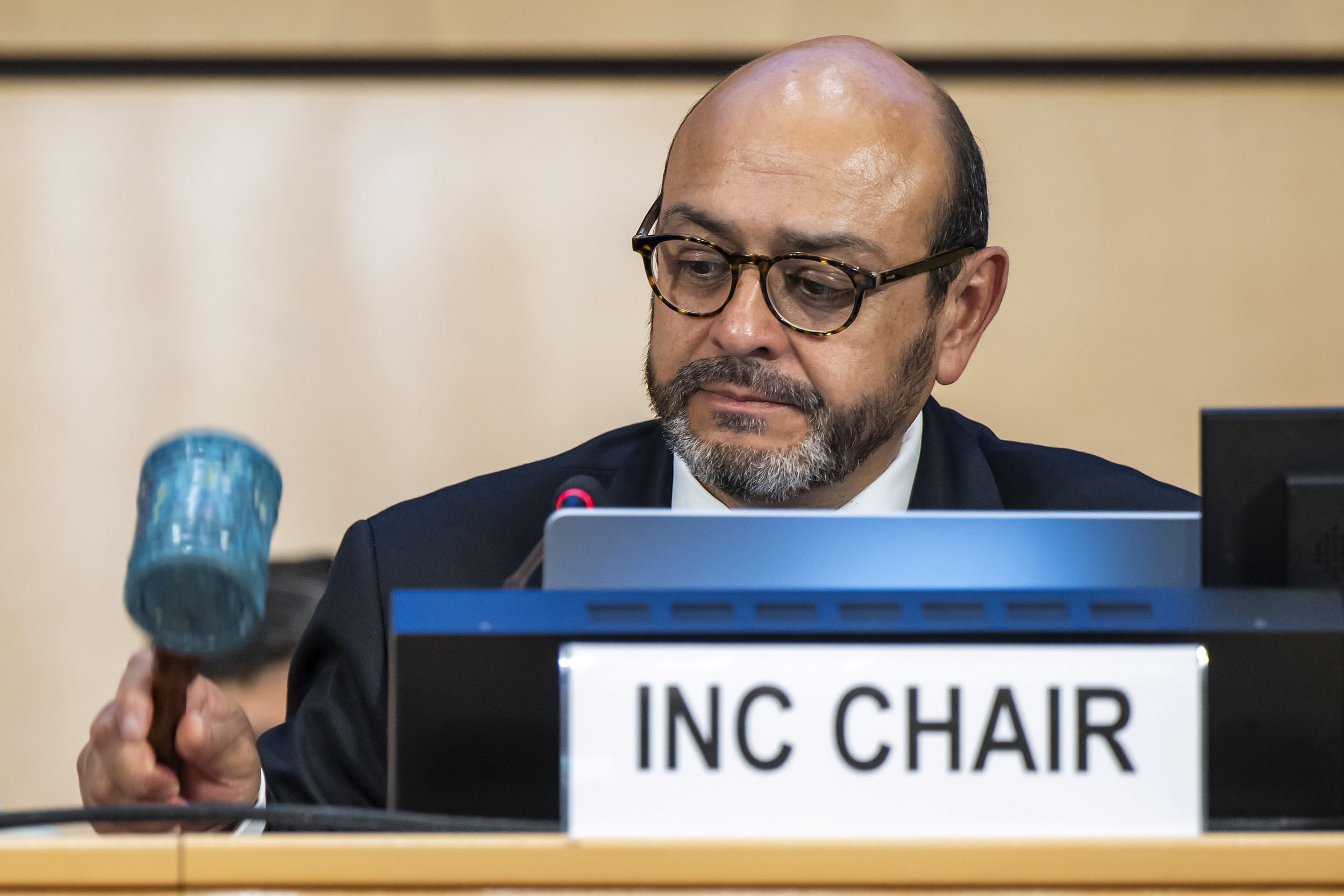
After 10 days of meetings and beyond the deadline, representatives from more than 180 countries gathered at the UN headquarters in Geneva (Switzerland) have failed to agree on a global treaty against plastic pollution, the first legally binding one. This negotiation was, in principle, the last chance to reach an agreement, after the last meeting in Busan (South Korea) also ended without a treaty in December, two and a half years after negotiations began.

0

High concentrations of nanoplastics found in Atlantic Ocean

Most research on the presence of plastics in the seas has focused on macro- and microplastics. Now, an international team has analyzed the presence of nanoplastics - smaller in size - in different locations and depths of the North Atlantic Ocean, including areas near the European coasts. The results suggest that these may account for the majority fraction of the total mass of plastic in the oceans and that the total mass of marine plastic may be greater than previously thought. The work is published in the journal Nature

0

Last round of plastics treaty talks ends without agreement

The fifth session of the United Nations Intergovernmental Negotiating Committee to develop an international legally binding instrument on plastic pollution (INC-5) ended without a treaty in Busan, South Korea, in the early hours of the morning. The more than 100 countries participating in what was to be the final round of negotiations have agreed to continue negotiating, reports Reuters.

0

Mismanaged plastic waste will double by 2050 under current policies

If practices and public policies do not change, the mass of mismanaged plastic waste in the world will double to 121 million tonnes per year by 2050, according to a study published in Science. The article also assesses the potential impact of global measures, such as those envisaged by the forthcoming UN global treaty on plastic pollution, which begins its final negotiating session at the end of this month.

0

Reaction: A study shows that a common bioplastic did not degrade in the sea for more than a year

Most so-called compostable plastics require specific conditions to degrade that are only obtainable in industrial settings, warns a study published in the journal PLoS One. Polylactic acid - a polymer obtained from natural renewable sources that is used as an alternative to petroleum-based plastics - takes more than a year to degrade in a marine environment, compared to 35 days for natural cellulose fibres, according to the analysis, which combines observations in waters off the coast of California (US) with laboratory measurements. 

0

Reactions: Oceans Treaty goes ahead after more than 15 years of negotiations

The deadline passed and after two marathon nights of meetings, the delegations of the UN member states have managed to reach an agreement to make the so-called Oceans Treaty - or BBNJ Treaty, Biodiversity Beyond National Jurisdiction - a reality. New York City has seen the fifth session of this conference bear fruit with an agreement on the wording of the text, seventeen years after the talks began and with negotiations stalled last August due to a lack of agreement. The Treaty aims to protect and regulate the use of areas beyond national jurisdiction, which account for more than 60% of the oceans, or almost half of the planet. Marine genetic resources and how to share these benefits has been one of the main stumbling blocks.

0