Three servings of French fries per week linked to higher risk of diabetes
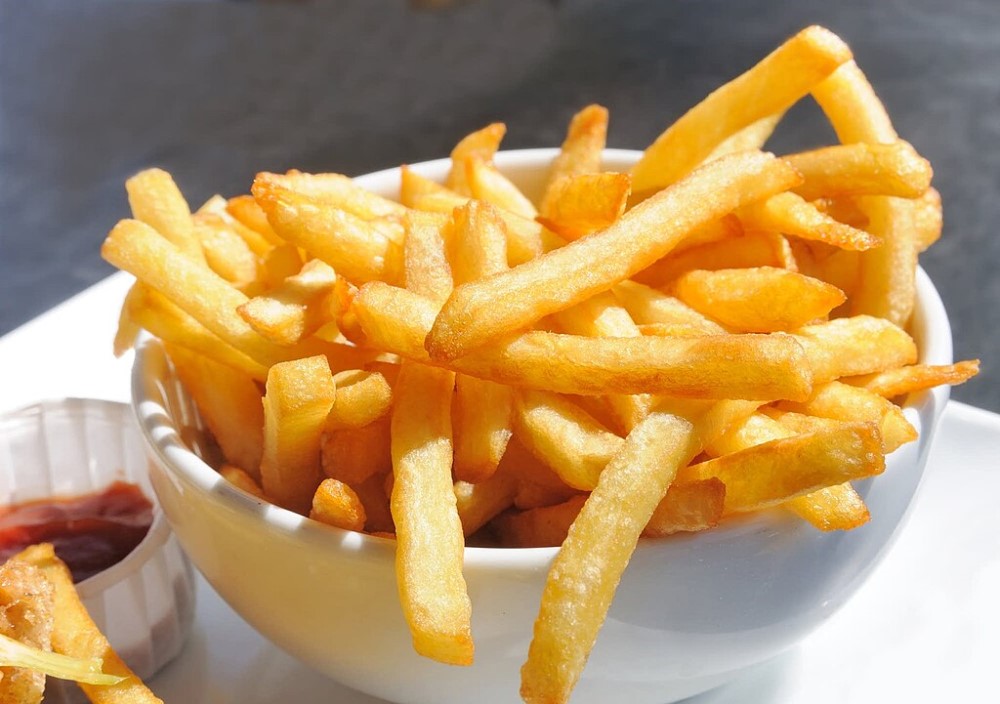
Eating three servings of French fries per week is associated with a 20% increase in the risk of developing type 2 diabetes, but eating similar amounts of potatoes cooked in other ways (boiled, baked, or mashed) does not substantially increase the risk, according to a study published in BMJ. The study, which analyzed the diets of more than 205,000 adults over decades, showed that replacing any form of potato with whole grains was associated with a lower risk of type 2 diabetes.
Cristóbal Morales - patatas fritas diabetes
Cristóbal Morales
Head of the Metabolic Health, Diabetes and Obesity Unit at Vithas Hospital in Seville and member of the Spanish Society for the Study of Obesity (SEEDO)
The study is rigorous and well designed. Although it cannot prove causality, it provides valuable and already known evidence that supports current recommendations to prioritize whole grains and limit fried foods, even when it comes to options that may initially seem “healthy” such as potatoes.
A clear message: preventing type 2 diabetes starts with adopting and maintaining healthy lifestyles and nutrition.
Marta comas - patatas fritas
Marta Comas Martínez
Nutritionist and researcher at the Endocrinology and Nutrition Department of Vall Hebron University Hospital, member of the Comprehensive Obesity Treatment Unit and the Diabetes and Metabolism Research Group at the Vall Hebron Research Institute.
The press release accurately summarizes the main findings of the study.
This study analyzed three large database groups with more than 200,000 participants over a span of 38 years to assess the impact of potato consumption on the development of type 2 diabetes, as well as to evaluate the effect of replacing potatoes with other foods.
The results not only show that total potato consumption may increase the risk of type 2 diabetes, but also that the method of preparation plays a role—fried potatoes carry the highest risk of developing type 2 diabetes compared to other cooking methods. It was also observed that replacing potatoes with whole grains reduces this risk, whereas the use of refined grains increases it.
The fact that such a large amount of data was analyzed over such an extended period provides the study with a high level of robustness and quality.
I believe that the strengths and limitations of the study are accurately reflected in the article.
In daily practice, therefore, it is important to consider not only the ingredient itself, but also how it is prepared and cooked, as well as what it is accompanied or substituted with on the plate. Increasing the consumption and use of fiber is more beneficial for reducing the risk of type 2 diabetes.
Diana A. Díaz Rizzolo - patatas fritas diabetes
Diana A. Díaz Rizzolo
Lecturer in the Department of Health Sciences at the Open University of Catalonia (UOC), member of the NUTRALiSS Nutrition, Food, Health and Sustainability Research Group at the UOC, coordinator of the Lifestyle Working Group of the Spanish Diabetes Society
This is a powerful study that uses data from three large US cohorts, which gives it a lot of robustness. Although it is observational, it is well designed and adjusted for multiple factors, so even though it cannot prove causality due to the nature of the study, its results allow us to consider it a reasonable possibility. Why? Because it addresses a key point that many nutritional epidemiological studies tend to overlook, and this is where bias usually lies: it accurately analyses what foods are consumed when French fries are not consumed.
This is key, because in nutrition it is not only what we eat that matters, but also what we stop eating when we do so. The replacement food can completely change the impact of a dietary decision, and this overall dietary pattern often has a greater impact on overall health than the contribution of a specific food.
Yes, there is a 20% increase in relative (not absolute) risk when eating chips, but this is not observed for other types of cooking, reinforcing the idea that we should not demonise whole foods without considering how they are prepared, what they are accompanied by or what they are replaced with. In fact, the study shows that replacing them with whole grains can be beneficial, while replacing them with white rice can be even worse for our glycaemic profile, which is actually quite in line with current guidelines.
Seyed Mohammad Mousavi et al.
- Research article
- Peer reviewed
- Observational study
- People