space

space

space

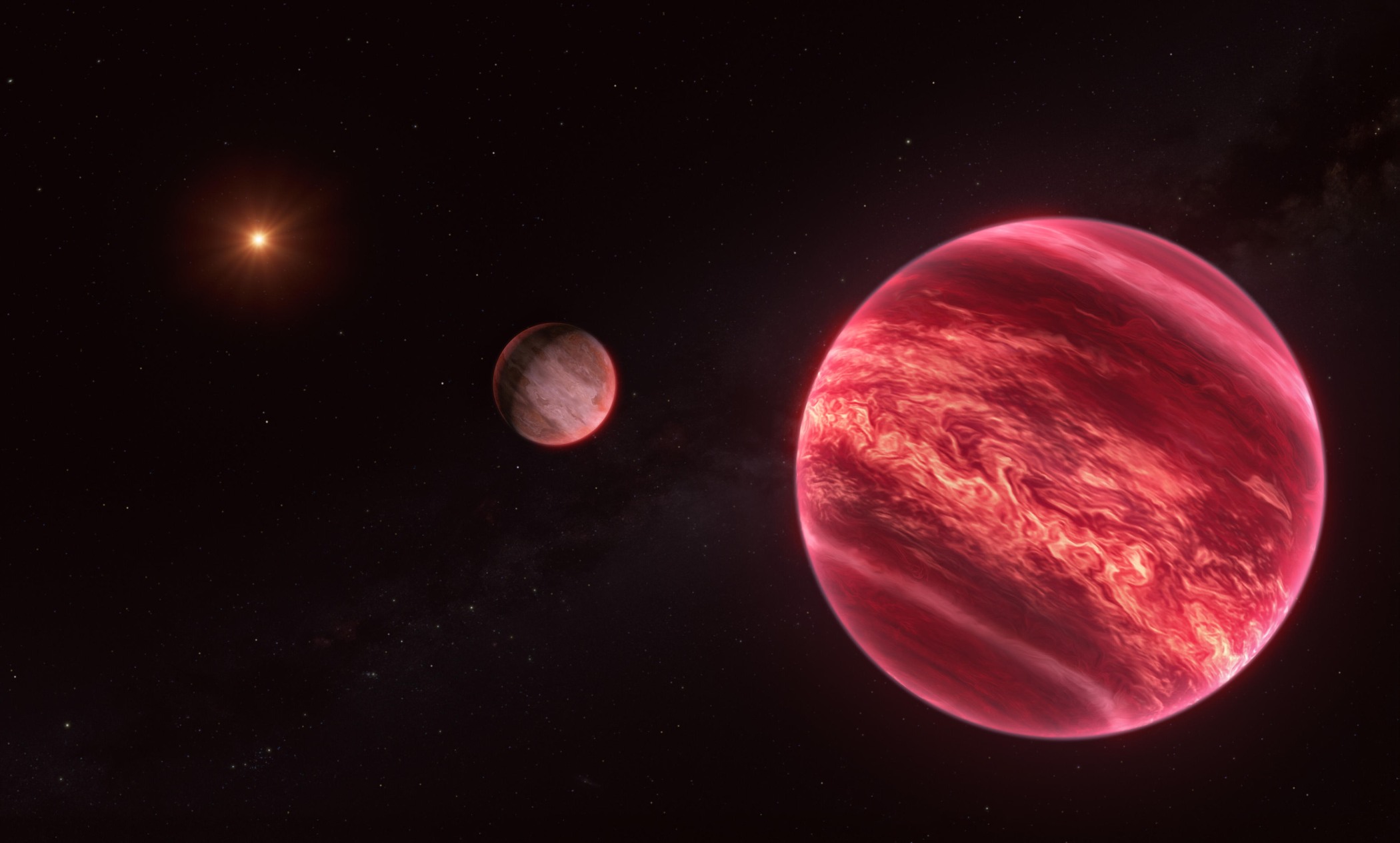
What could be the first exomoon orbiting a brown dwarf has been discovered

To date, more than 6,000 exoplanets — planets orbiting a star other than the Sun — have been discovered, but no moon outside the Solar System — known as an exomoon — has ever been definitively identified. Now, a study published in Nature presents evidence of what could be an exomoon orbiting a brown dwarf — an object halfway between a star and a planet. By analysing radial velocity data from observations made by the European Southern Observatory’s (ESO) Very Large Telescope, a team has identified a signal indicating the presence of a satellite with a minimum mass of 0.9 times that of Jupiter and an orbital period of around 170 days. “Although it is unclear whether this exosatellite will meet the criteria—yet to be defined—for being considered an exomoon, it represents an important step towards that first indisputable detection,” the authors state.

0

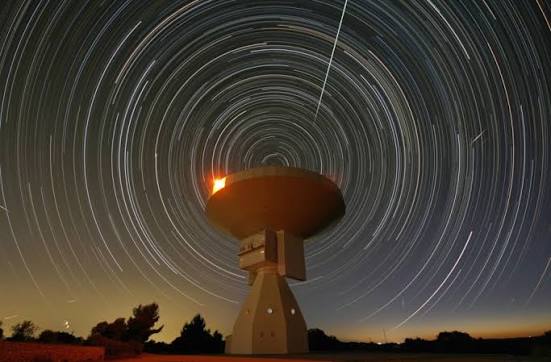
Sugar has been detected in interstellar space by the radio telescopes at Yebes in Guadalajara and Pico Veleta in the Sierra Nevada

A team led by a Spanish researcher has identified, near the centre of the Milky Way, a type of sugar composed of four carbon atoms, known as erythrulose, which on Earth is found in raspberries and self-tanning products. This would suggest that complex and biologically relevant molecules can form in space. Ribose and glucose had previously been discovered in samples from meteorites and asteroids, but until now no sugar had been directly detected in the interstellar medium. The finding is published in Nature Astronomy.

0

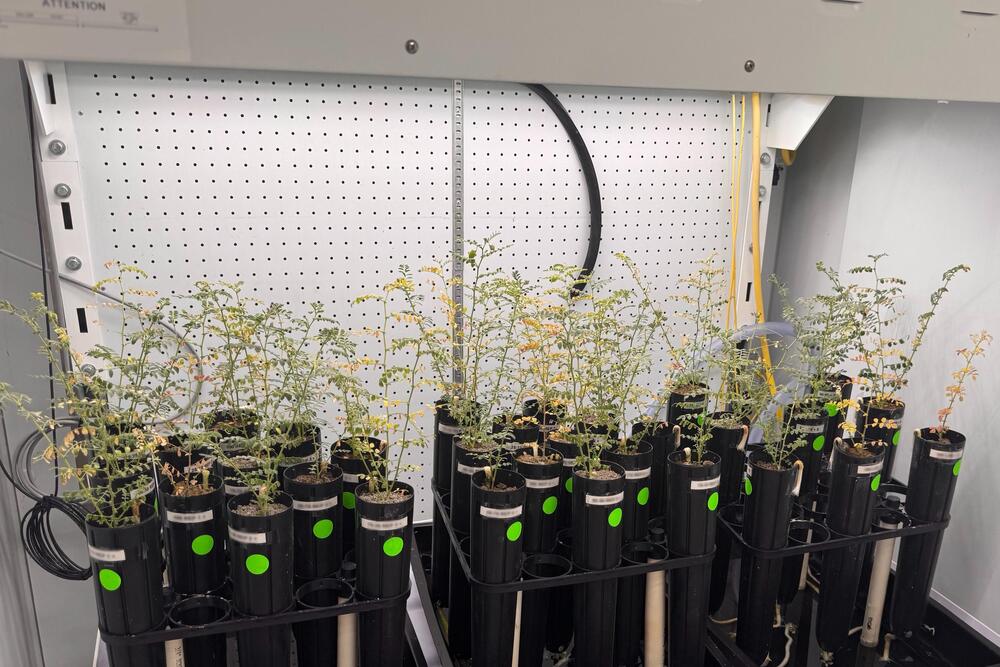
Chickpea plants and microorganisms survive on Earth in lunar and Martian soil simulants

Two articles published in the journal Scientific Reports explore the survival capacity of microorganisms and plants in imitations of lunar and Martian soils. In the first, the team succeeded in cultivating chickpea plants in a lunar soil simulant — lunar regolith — treated with arbuscular mycorrhizal fungi and worm compost. In the second article, microbial growth was investigated in a Martian soil simulant with different water proportions and under pressure and temperature conditions similar to those on Earth. At a water level comparable to that on Mars, an atmospheric humidity of 34 %, microbial mass increased, although it fell back to zero after 60 days. “These findings extend the known physicochemical limits of life in solid substrates and provide new insight into the potential habitability of hyper-arid extraterrestrial environments,” the authors say.

0

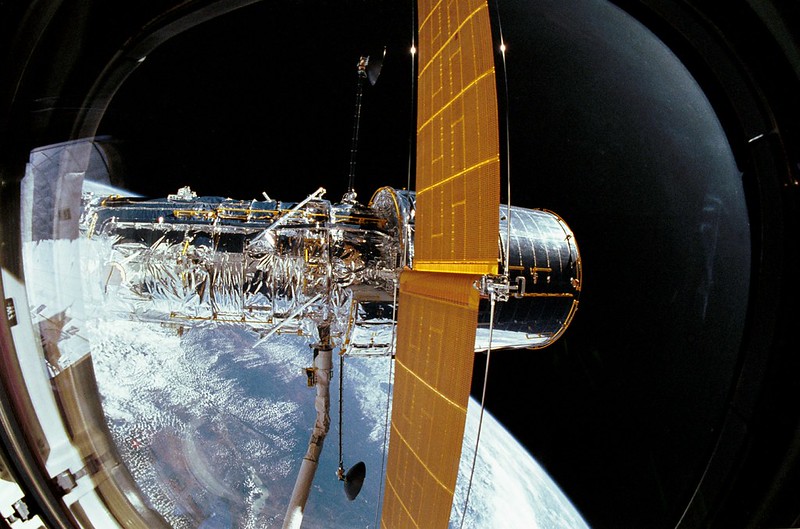
A study warns of the impact that satellite megaconstellations will have on images from space telescopes such as Hubble

The rapid growth of satellite constellations threatens the operation of space telescopes, according to a study published in Nature. If the planned launches are completed, the Hubble Space Telescope could see more than a third of its images affected by light pollution from these satellites, as they share the same orbital space, while other telescopes would have more than 96% of their images damaged, the authors estimate.

0

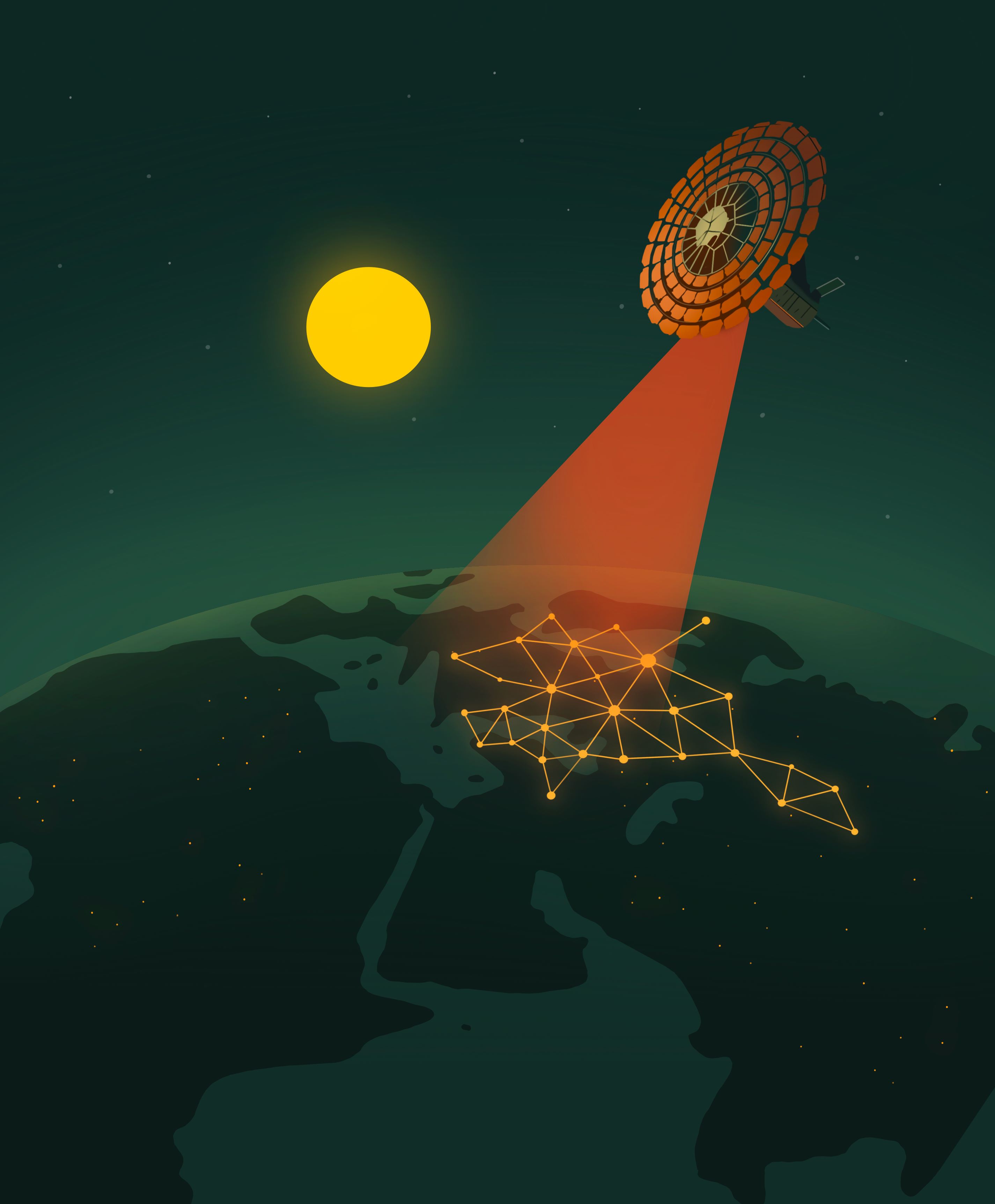
Solar panels in space could help Europe achieve its net-zero emissions target

Space-based solar power could provide electricity to support Europe's net-zero emissions target if its cost of supply is reduced sufficiently. This is one of the conclusions of an article published in the journal Joule, by the Cell Press group. Space solar panels would allow continuous capture of solar energy, rather than only when light reaches Earth, reducing the need for wind and solar energy on Earth by 80% in Europe. The researchers estimate that by 2050, space-based solar power could reduce the costs of the European electricity system, although this depends on the development of two NASA space-based solar power designs they have used for their research: the Innovative Heliostat Swarm and the Mature Planar Array.

0

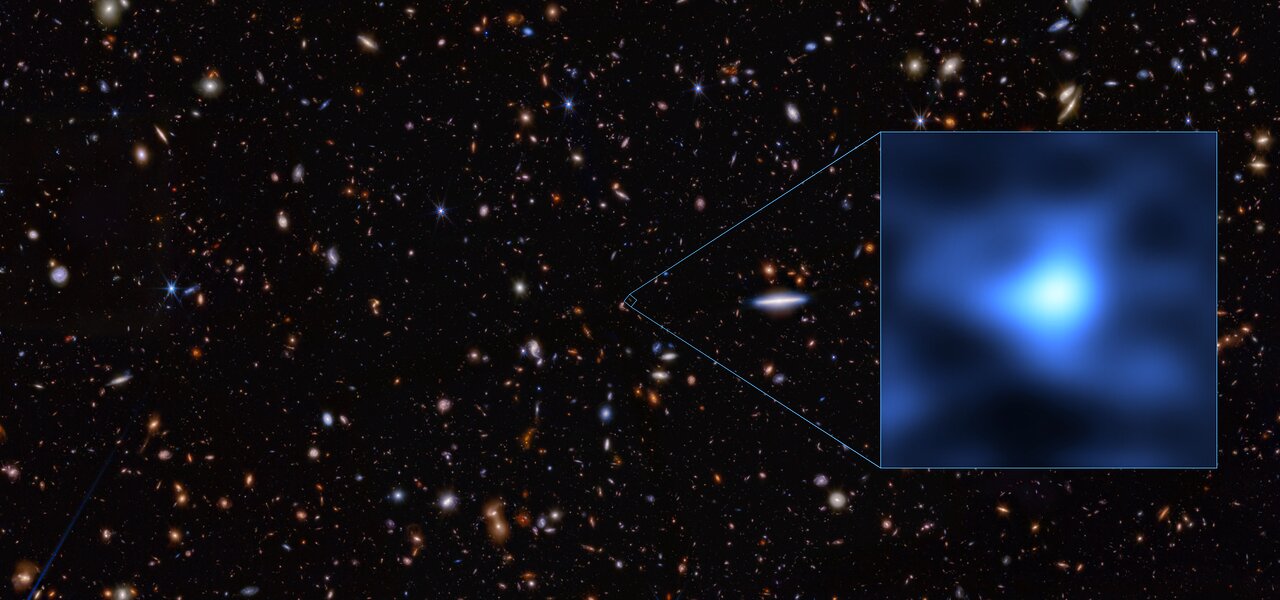
The presence of oxygen is discovered in the most distant galaxy known

Two international teams have independently discovered the presence of oxygen in the galaxy JADES-GS-z14-0, the most distant known. The finding, which has been made using the ALMA telescope at the European Southern Observatory (ESO), could mean that galaxies evolved much earlier than previously thought. The results are published in the journals Astronomy & Astrophysics and The Astrophysical Journal.

0

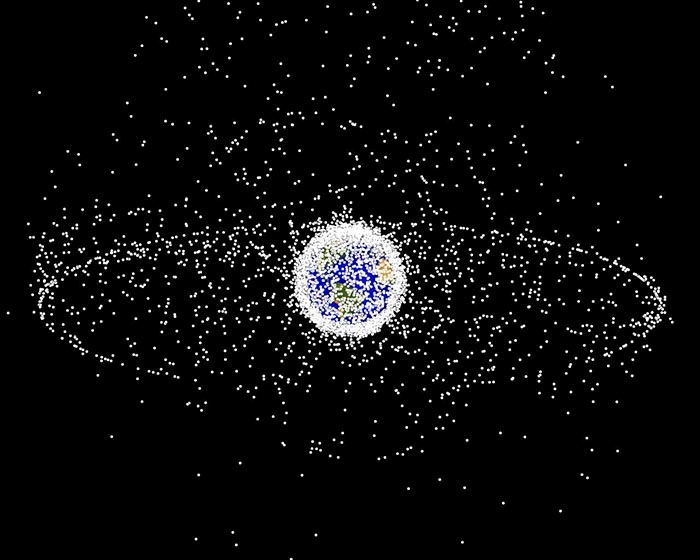
The increase in emissions could halve the maximum limit of satellites that orbit the Earth safely

The maximum number of artificial satellites that can safely orbit the Earth could be reduced due to the increase in greenhouse gas emissions of human origin, according to a modelling study. The increase in these gases may result in a reduction in the density of the planet's orbital space. Between 2000 and 2100, the carrying capacity of satellites between 200 and 1,000 kilometres altitude could be reduced by between 50 and 66%, estimates the study published in Nature Sustainability.

0

Reaction to the detection of the CH3+ cation in the interstellar medium with the James Webb Telescope

A research team describes in Nature the presence outside the solar system of CH3+, a cation that could react with other molecules to form complex organic molecules. Its role in interstellar organic chemistry was described decades ago, but until now it had not been observed outside the solar system. The team, which includes co-authors from the CSIC's Institute of Fundamental Physics and the National Astronomical Observatory in Madrid, based their work on observations from James Webb Telescope.

0

Reactions: two articles denounce the impact of space debris and near-Earth satellites on the night sky

Space debris and satellites orbiting close to Earth have proliferated in recent years. Two articles in Nature Astronomy warn of their impact on light pollution. In the first, a team calculates the increase in the brightness of the night sky and warns of the effect on ecosystems and astronomical observations from Earth. In the second, which is a commentary, the authors call for limiting the production of artificial light and the number of satellites in orbit, calling on the scientific community to take on the big space and big light companies. Both articles are co-signed by Salvador Bará, from the Agrupación Astronómica Coruñesa, and the second by Fabio Falchi, from the University of Santiago de Compostela.

0

Reactions: James Webb Space Telescope named 'Science' Science Breakthrough of 2022

Two decades of work with numerous setbacks, a budget of more than 10 billion dollars and a journey of 1.5 million kilometres to provide us with images of the universe in unprecedented detail have led Science magazine to choose the James Webb Space Telescope (JWST) as the science breakthrough of 2022.

0