light pollution

light pollution

light pollution

A study warns of the impact that satellite megaconstellations will have on images from space telescopes such as Hubble
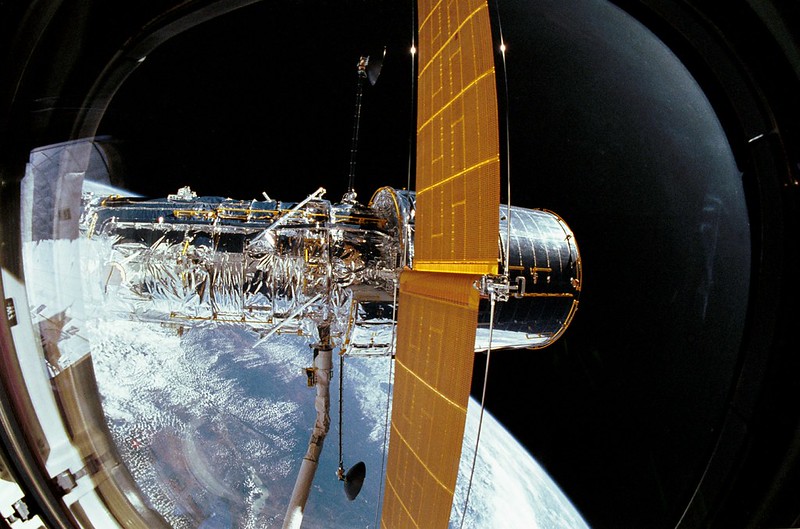
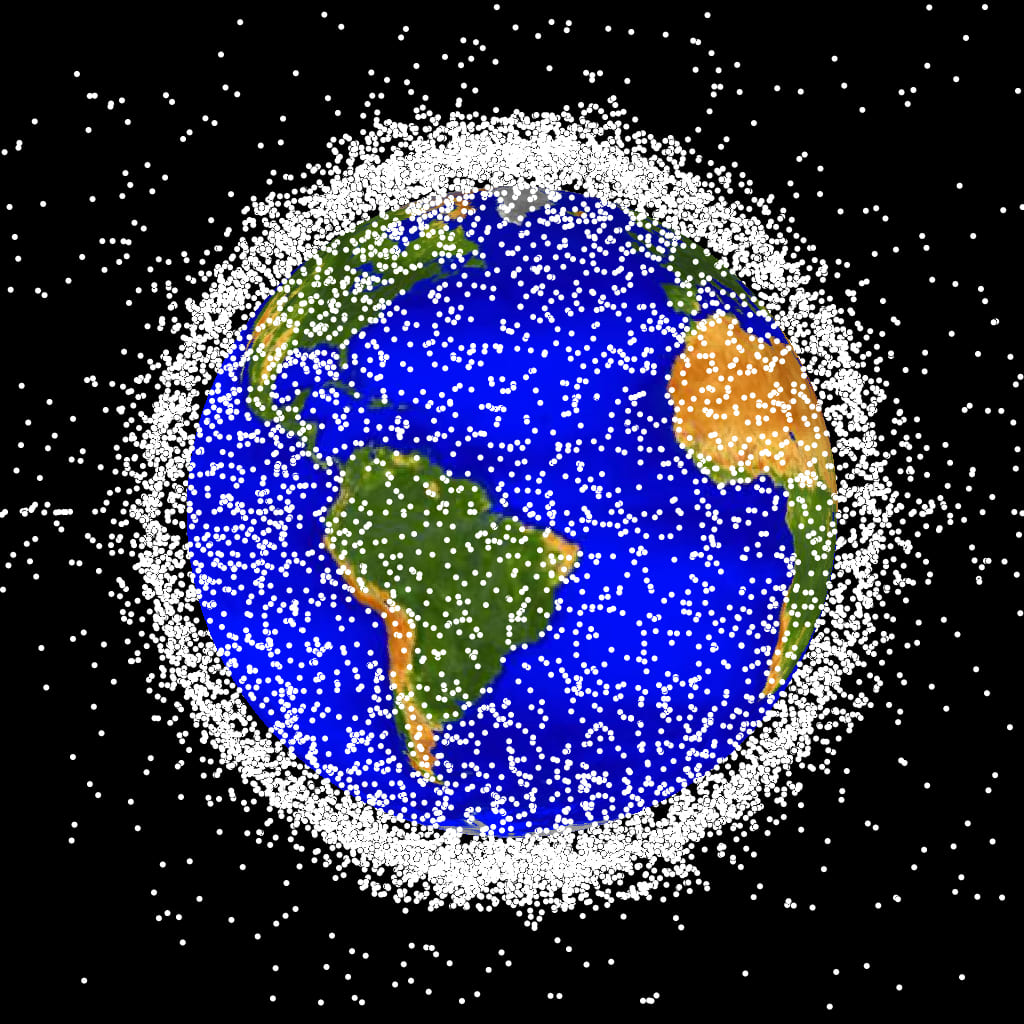
The rapid growth of satellite constellations threatens the operation of space telescopes, according to a study published in Nature. If the planned launches are completed, the Hubble Space Telescope could see more than a third of its images affected by light pollution from these satellites, as they share the same orbital space, while other telescopes would have more than 96% of their images damaged, the authors estimate.

0

The increasing use of smartphones and LED lights prevents synchronisation between menstrual and lunar cycles

Menstrual cycles were synchronised with lunar cycles until 2010, but according to research published in Science Advances, after this date, this synchrony is only found in January, when lunar gravity is at its strongest. The team analysed the menstrual records of 176 women and attributes the loss of synchrony to the increasing use of smartphones and LED night lights, which became widespread from 2010 onwards.

0

Birds sing longer in areas with light pollution

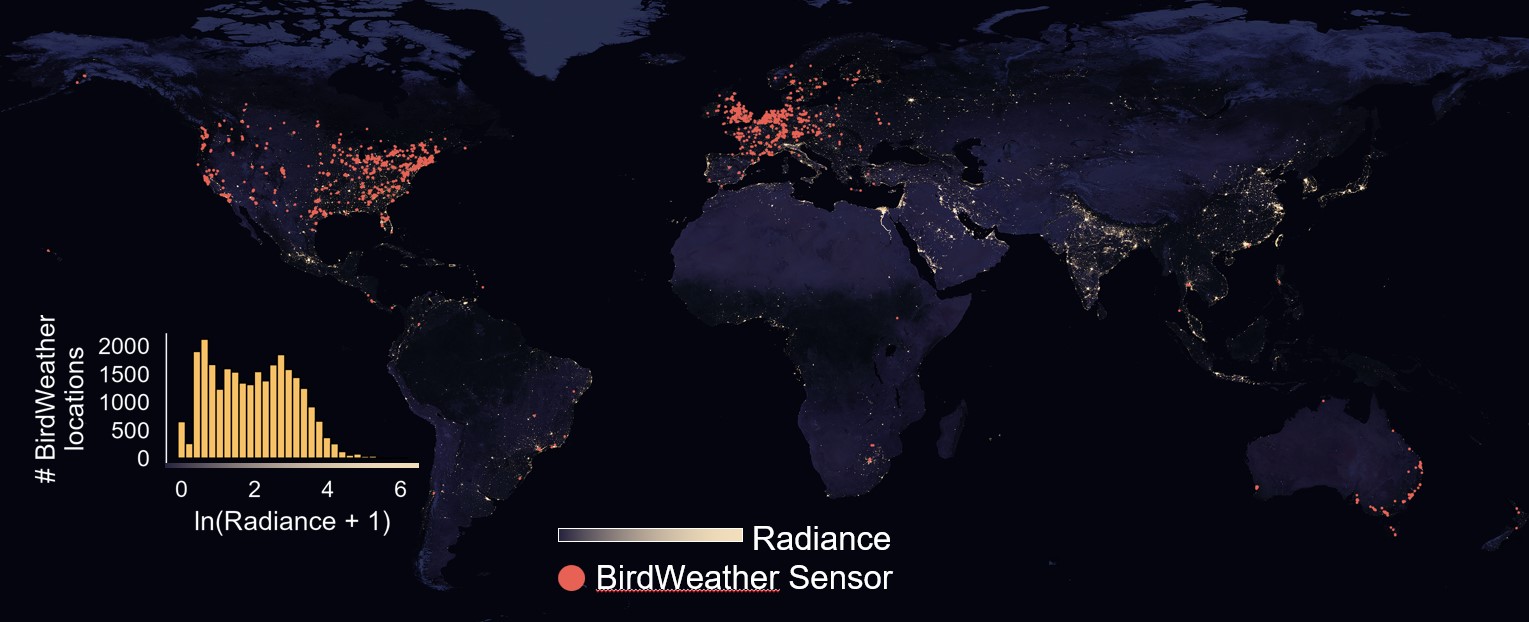
Light pollution is causing birds to sing more, prolonging their vocalisations by an average of 50 minutes, according to a study published in Science. The study, which analyses more than 580 species of diurnal birds, shows that those most exposed to light, either because they have large eyes or open nests, are the most affected by this phenomenon. The authors analysed more than 60 million vocalisations from the BirdWeather citizen science project. ‘The machine learning algorithm allows us to analyse audio recordings 24 hours a day, seven days a week, which would otherwise take a lifetime to listen to,’ says Breant Pease, one of the authors.

0

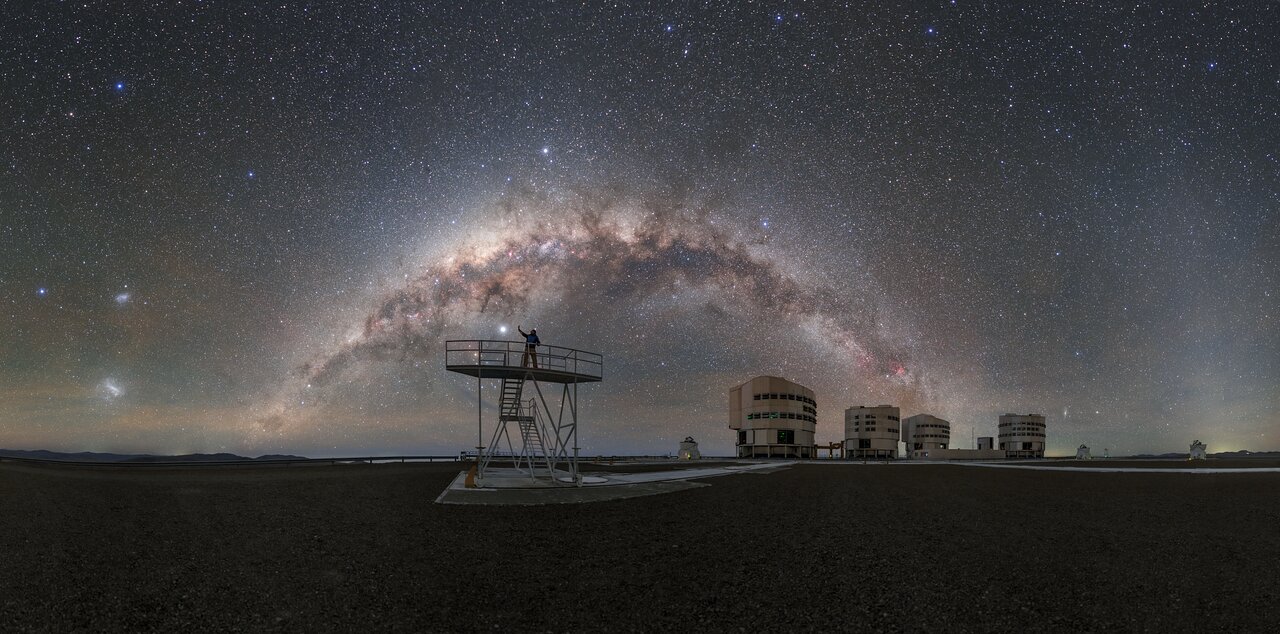
European Southern Observatory denounces industrial megaproject threatening Chile's Paranal Observatory, the world's darkest observatory

In a press release, the European Southern Observatory (ESO) warns that a huge industrial complex threatens the skies above the Paranal Observatory in Chile's Atacama Desert. According to ESO, on 24 December, AES Andes, a subsidiary of the US electricity company AES Corporation, submitted for environmental impact assessment a project for a huge industrial complex that would be located between 5 and 11 kilometres from the Paranal telescopes. This astronomical observatory, the darkest in the world, has led to important breakthroughs, such as the first image of an exoplanet or the confirmation of the accelerated expansion of the universe.

0

Reactions: two articles denounce the impact of space debris and near-Earth satellites on the night sky

Space debris and satellites orbiting close to Earth have proliferated in recent years. Two articles in Nature Astronomy warn of their impact on light pollution. In the first, a team calculates the increase in the brightness of the night sky and warns of the effect on ecosystems and astronomical observations from Earth. In the second, which is a commentary, the authors call for limiting the production of artificial light and the number of satellites in orbit, calling on the scientific community to take on the big space and big light companies. Both articles are co-signed by Salvador Bará, from the Agrupación Astronómica Coruñesa, and the second by Fabio Falchi, from the University of Santiago de Compostela.

0

Reaction to a study measuring the rapid increase in global light pollution over the past decade

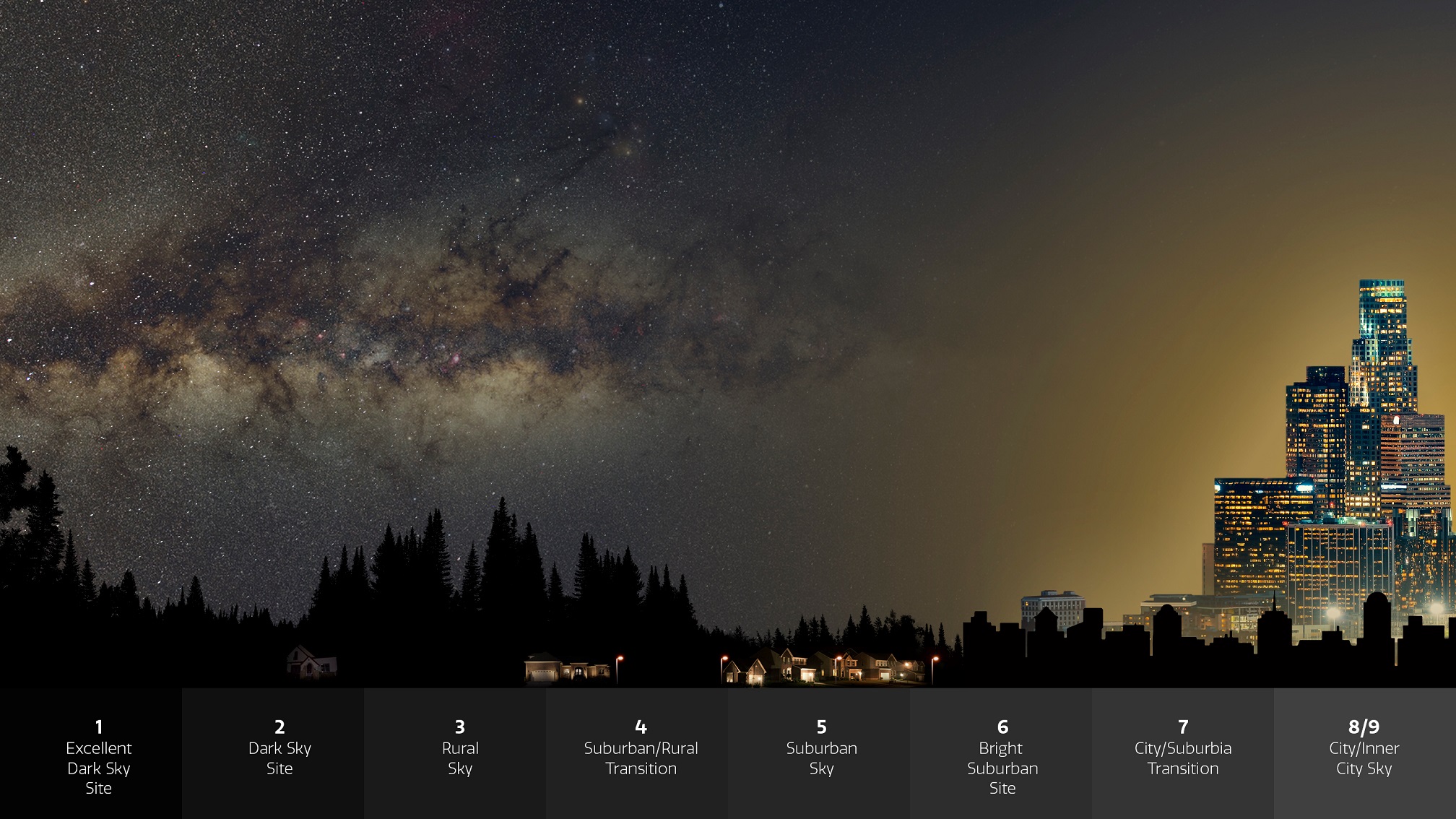
The brightness of the night sky has increased by 7 to 10 % per year (depending on the region of the world) in the range visible to the human eye, according to an analysis based on 51,000 observations made with the naked eye by citizen scientists between 2011 and 2022. According to the research, published in Science, this increase is faster than what can be observed with satellites; satellites cannot detect blue emissions from LED lights, which are increasingly used in street lighting.

0

Reactions to study showing that artificial light is increasingly emitting blue spectra associated with LEDs

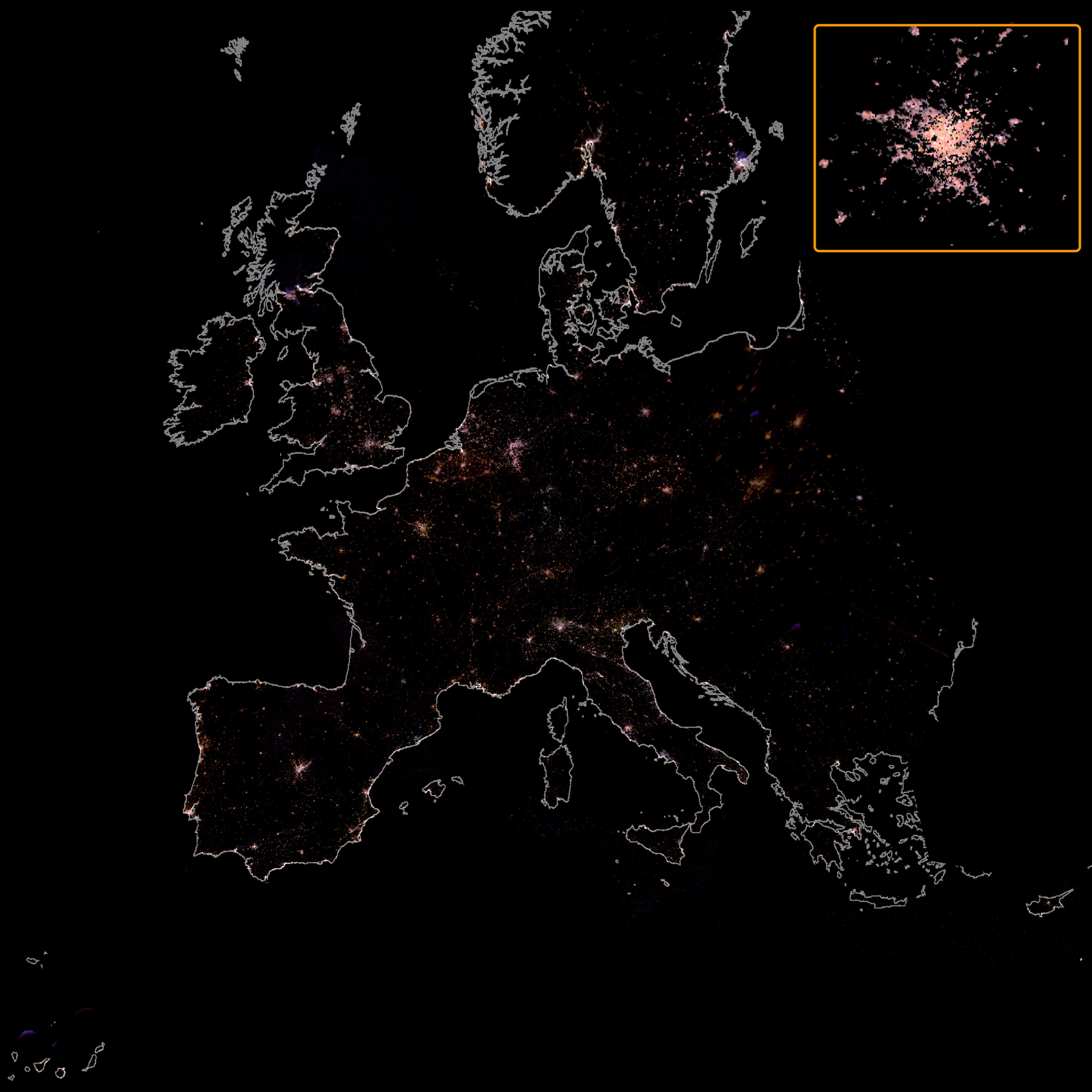
Using images taken by astronauts aboard the International Space Station, a team of researchers has designed a map showing the variation in the spectral composition of artificial lighting across Europe during 2012-2013 and 2014-2020. The results, published in the journal Science Advances, show a change associated with white LED lights and higher blue emissions, which the authors link to an increased risk of harmful effects on ecosystems.